📐 "Первые 50 корпоративных запросов получают индивидуальный дизайн 3D-хранилища" План
















Expert Industrial Racking System Integration: The Definitive Guide from Strategic Design to Flawless Implementation
In the complex world of modern logistics and supply chain management, the difference between a simple storage area and a high-performance strategic asset boils down to one critical concept: интеграция промышленных стеллажных систем. This is not merely the installation of shelves or the purchase of automated guided vehicles (AGVs). True интеграция промышленных стеллажных систем represents a holistic, engineered approach that seamlessly unifies physical storage structures, intelligent software, and automated material handling technologies into a single, cohesive, and highly efficient operating system.
For businesses across Southeast Asia, the Middle East, Africa, and Latin America, where growth is rapid and operational excellence is paramount, mastering this process is no longer a luxury—it’s a necessity. This comprehensive guide delves into the proven methodology that defines expert-level интеграция промышленных стеллажных систем, providing a clear blueprint for transforming warehouse operations from a cost center into a competitive weapon. The journey of a successful интеграция промышленных стеллажных систем is a meticulous orchestration of expertise, technology, and precision execution, ensuring that every component, from the tallest racking beam to the most complex software algorithm, works in perfect harmony.
Deconstructing the Integration Mindset: Beyond Products to Performance
The foundational principle of any successful project is a paradigm shift in thinking. Companies often procure warehouse equipment through a fragmented process—purchasing racking from one vendor, forklifts from another, and software from a third. This fragmented approach inevitably creates silos of inefficiency, compatibility issues, and operational bottlenecks. In stark contrast, expert интеграция промышленных стеллажных систем is built upon a mindset of holistic system engineering. An integrator does not see individual products; they see interconnected functions.
They act as the single point of accountability, architecting a solution where the structural integrity of the industrial pallet racking is perfectly calibrated to the weight and speed of the automated storage and retrieval system (AS/RS), and where the warehouse management system (WMS) communicates in real-time with the fleet of автономные мобильные роботы (АМР). This level of интеграция промышленных стеллажных систем ensures that the entire facility operates as a single, intelligent organism, capable of adapting to demand fluctuations and scaling for future growth.
The Critical Imperative of a Unified “Design to Implementation” Workflow
Why is a seamless “design to implementation” workflow non-negotiable for a complex интеграция промышленных стеллажных систем? The answer lies in risk mitigation and performance optimization. When design and implementation are handled by separate entities, the potential for costly errors and performance gaps multiplies exponentially. An engineer’s design intent can be misinterpreted on the shop floor; a software parameter might not align with the physical capabilities of a conveyor. A fully integrated интеграция промышленных стеллажных систем partner eliminates this risk.
By managing the entire project lifecycle—from initial concept and structural engineering to software programming, physical installation, and final commissioning—the integrator guarantees that the theoretical performance metrics defined in the design phase are fully realized in the operational phase. This end-to-end ownership is the bedrock of a successful интеграция промышленных стеллажных систем, ensuring no detail is lost in translation and the client receives a system that performs exactly as promised.

Phase 1: The Foundational Blueprint – Deep Discovery and Strategic Design Engineering
The most sophisticated technology is worthless if built upon a flawed understanding of the client’s operational reality. The first and most critical phase of any интеграция промышленных стеллажных систем is a deep, diagnostic discovery process. This phase is not about selling a pre-packaged solution; it’s about collaboratively engineering a custom-fit one.
Conducting a Comprehensive Operational and Data Audit
An expert интеграция промышленных стеллажных систем begins with a forensic-level analysis of the client’s entire warehouse ecosystem. This goes far beyond simply counting SKUs. Integrators conduct a multi-faceted audit that examines:
Inventory Dynamics and SKU Profiling: A deep analysis of inventory turnover (ABC analysis), seasonality patterns, and product dimensions to inform the optimal storage media and location logic within the интеграция промышленных стеллажных систем layout.
Throughput and Capacity Modeling: Understanding not just average daily volumes, but peak capacity requirements (e.g., during holiday seasons or promotional events) to ensure the интеграция промышленных стеллажных систем is resilient and never becomes a bottleneck.
Data Flow and Systems Interoperability: Mapping the current flow of information from the Enterprise Resource Planning (ERP) and Warehouse Management System (WMS) to identify gaps where data latency can disrupt physical material flow. This is crucial for planning the software layer of the интеграция промышленных стеллажных систем.
Future-Proofing and Scalability Planning: Engaging in strategic discussions about business growth plans, potential market expansions, and new product lines. A robust интеграция промышленных стеллажных систем is designed with modularity and scalability at its core, allowing for cost-effective future expansion.
Advanced Engineering: Simulation, Modeling, and Structural Analysis
With a rich dataset in hand, the интеграция промышленных стеллажных систем moves into the virtual engineering domain. This is where the proposed solution is rigorously tested and validated before any capital is committed to hardware.
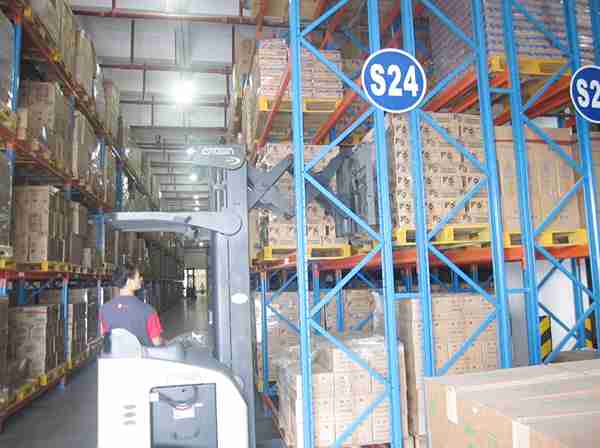
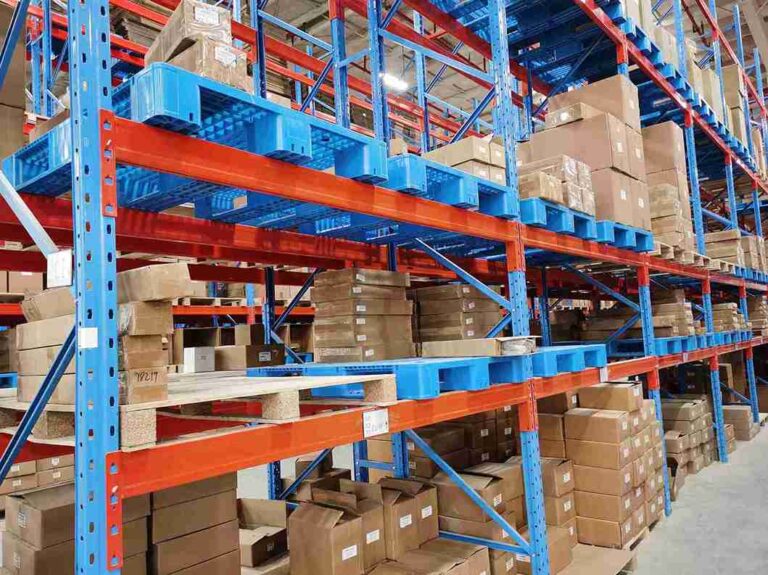
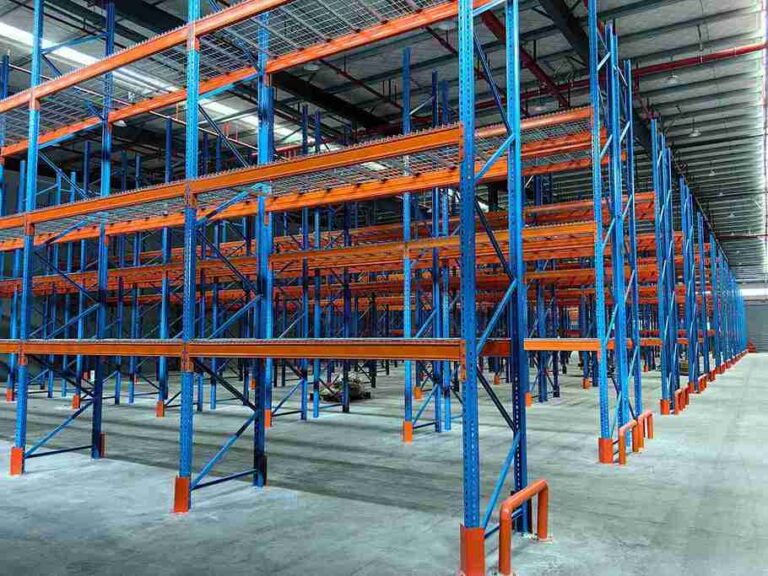
Precision Structural Engineering and Load Calculations: Certified structural engineers perform detailed static and dynamic load analysis for all селективные паллетные стеллажи, Узкопроходные стеллажи, и cantilever racking. This ensures compliance with international standards (FEM, RMI) and, critically, local regulatory codes for seismic, wind, and other environmental factors specific to regions like Southeast Asia and Latin America. This engineering rigor is a non-negotiable aspect of a safe and reliable интеграция промышленных стеллажных систем.
Discrete Event Simulation and 3D Visualization: Advanced software is used to create a dynamic digital twin of the entire proposed интеграция промышленных стеллажных систем. This simulation models the entire operation, allowing engineers to test different scenarios, identify potential bottlenecks in material flow, optimize vehicle travel paths, and accurately predict system throughput. Furthermore, photorealistic 3D models allow stakeholders to “walk through” their future warehouse, validating workflows and ensuring the design meets all operational and safety expectations. This step is a powerful tool for de-risking the интеграция промышленных стеллажных систем investment.
Phase 2: Architecting the System – The Synergy of Structure and Intelligence
This phase is the core of the интеграция промышленных стеллажных систем, where the strategic plan is translated into a detailed technical architecture. It is here that the physical storage structure is married with digital intelligence to create a system that is greater than the sum of its parts.
Selecting the Optimal Structural Storage Framework
A one-size-fits-all approach has no place in expert интеграция промышленных стеллажных систем. The choice of storage technology is a direct function of the client’s specific inventory and throughput profile. An integrator will specify the optimal mix:
High-Density Dynamic Storage Systems: For businesses with space constraints, technologies like push back racking и поточные стеллажи для поддонов (for FIFO/LIFO inventory management) or въездные стеллажи are integrated to dramatically increase storage density within the same footprint.
Automated Storage and Retrieval Systems (AS/RS): For the ultimate in density, speed, and accuracy, the интеграция промышленных стеллажных систем may incorporate unit-load AS/RS for pallets or mini-load systems for smaller items. The integration of these systems with the wider warehouse control system is a hallmark of a sophisticated project.
Specialized Racking Solutions: Сайт интеграция промышленных стеллажных систем must also account for unique needs, such as cantilever racking for long, awkward goods or mezzanine floors to create additional level within an existing building envelope.
Weaving the Automation and Software Nervous System
The racking provides the skeleton; the automation and software provide the nervous system and brain. A deep интеграция промышленных стеллажных систем seamlessly weaves these technologies together:
Robotic Material Movement: The integration of AGV (Automated Guided Vehicles) and more flexible AMR (Autonomous Mobile Robots) is a key feature of modern интеграция промышленных стеллажных систем. This involves designing the entire operational workflow—from pick-up and drop-off (P&D) locations embedded within the racking layout to traffic management protocols that prevent congestion.
Conveyor and Sortation Systems: A comprehensive интеграция промышленных стеллажных систем will often include networks of conveyors, sorters, и transfer cars to create a continuous, high-speed flow of goods between receiving, storage, picking, and shipping zones.
The Intelligence Layer: WES and WCS: The true “glue” that binds the system is the software. A advanced интеграция промышленных стеллажных систем leverages a Warehouse Execution System (WES) or Warehouse Control System (WCS) to act as the central brain, intelligently directing all automated equipment, optimizing task interleaving, and providing real-time visibility into every aspect of the operation.
Phase 3: The Art of Execution – Precision Implementation and Commissioning
A brilliant design is only valuable if it can be perfectly realized. The implementation phase of an интеграция промышленных стеллажных систем is a masterclass in complex project management, requiring military-grade precision and a relentless focus on minimizing disruption.
Phased Installation and Zero-Downtime Operational Philosophy
Expert integrators understand that their clients’ operations cannot simply shut down. The implementation of an интеграция промышленных стеллажных систем is therefore meticulously planned and executed in phased sequences.
Detailed Site Management and Staging Plans: The work site is carefully zoned to separate active construction areas from live operational areas. Work is often scheduled for off-peak or overnight shifts to ensure business continuity.
Just-in-Time Logistics and Supply Chain Management: A global интеграция промышленных стеллажных систем partner coordinates a complex supply chain to ensure that all components—from racking uprights and robotic vehicles to electrical components—arrive on-site in the exact sequence required for installation. This eliminates clutter, reduces site safety risks, and streamlines the construction process.
Systematic Commissioning, Optimization, and Knowledge Transfer
The physical installation of equipment is not the finish line; it is the starting line for the final tuning process. Commissioning is where the promised performance of the интеграция промышленных стеллажных систем is validated and locked in.
Cycle Time Testing and System Stress-Testing: Every automated component, from an AS/RS crane to a fleet of AMRs, is put through thousands of test cycles to verify it meets or exceeds the speed, accuracy, and reliability targets set during the design phase. The entire system is subjected to simulated peak loads to ensure stability.
End-to-End Software and Controls Integration: The WES/WCS is fully integrated with the client’s host ERP and WMS systems. Data flows are tested, exception handling protocols are validated, and reporting dashboards are configured to provide unparalleled operational visibility.
Comprehensive Operational Training and Certification: A truly professional интеграция промышленных стеллажных систем includes a robust training program for the client’s operators, maintenance technicians, and system supervisors. This is not a simple handover; it is an empowerment process, ensuring the client’s team has the confidence and skill to manage, maintain, and troubleshoot the new system for years to come.
Phase 4: The Sustained Partnership – Ensuring Long-Term Performance and Evolution
The relationship between a client and an expert integrator does not end at “go-live.” The most valuable интеграция промышленных стеллажных систем partnerships are built for the long term, focusing on continuous improvement and system evolution.
Proactive Performance Monitoring and Support Ecosystems
Through secure, cloud-based IoT platforms, an integrator can remotely monitor the health and performance of the deployed интеграция промышленных стеллажных систем. This allows for predictive maintenance, where potential issues are identified and resolved before they cause unplanned downtime. Clients can subscribe to comprehensive support agreements that include guaranteed response times, spare parts management, and regular system health checks.
Strategic Scalability and System Lifecycle Management
Because the initial интеграция промышленных стеллажных систем was designed with scalability in mind, the integrator is the ideal partner for future expansions or upgrades. Whether it’s adding more AS/RS bays, integrating a new generation of robotics, or expanding the conveyor network, the original integrator possesses the foundational knowledge to execute the expansion seamlessly, protecting and extending the client’s initial investment.

Conclusion: The Tangible Value of an Expert-Led Integration Journey
In a global market defined by volatility and intense competition, the efficiency of your supply chain is directly correlated to the health of your business. The decision to invest in an интеграция промышленных стеллажных систем is, therefore, a strategic one. The choice between procuring disparate components and partnering with an expert for a full-scope интеграция промышленных стеллажных систем is the choice between incremental improvement and transformational change.
The latter path, while requiring greater upfront diligence, delivers certainty, unparalleled operational performance, and a demonstrably superior return on investment. It transforms the warehouse from a static cost center into a dynamic, adaptable, and powerful engine for growth. By entrusting this complex process to a single, accountable expert partner, businesses gain not just a system, but a sustainable competitive advantage for the future.

Frequently Asked Questions on Industrial Racking System Integration
1. How does an integrated approach specifically impact the total cost of ownership (TCO) compared to a piecemeal equipment purchase?
An expert интеграция промышленных стеллажных систем actively reduces the total cost of ownership through several mechanisms. While the initial capital outlay may be higher, the TCO is significantly lower due to: maximized storage density (delaying or avoiding costly facility expansions), dramatic reductions in labor costs through automation, minimized product damage from optimized handling, lower energy consumption (especially in climate-controlled environments), and extended equipment life through proactive, data-driven maintenance. A piecemeal approach often leads to hidden costs from integration failures, operational inefficiencies, and premature equipment replacement.
2. What specific data points should we prepare to ensure an accurate and effective initial design consultation for our integration project?
To enable a productive discovery phase, prepare the following: a full list of SKUs with dimensions, weight, and turnover velocity (ABC classification); current and forecasted annual throughput volumes (receipts, shipments); detailed facility architectural drawings (CAD files if available); current peak vs. average capacity data; a clear understanding of your growth projections for the next 5-7 years; and any known operational pain points or bottlenecks. The more data you provide, the more precise the proposed интеграция промышленных стеллажных систем will be.
3. For businesses in regions with volatile power grids, what resilience measures can be built into an automated integration?
A robust интеграция промышленных стеллажных систем for such regions incorporates multiple layers of resilience. This includes the specification of industrial-grade Uninterruptible Power Supplies (UPS) for control systems and critical servers, the design of manual override modes and recovery procedures for automated equipment, and the potential inclusion of backup generator systems to maintain core operations. The system’s software can also be designed with data integrity and recovery protocols to prevent corruption during unexpected power events.
4. How do you validate the projected performance metrics (e.g., throughput, ROI) during the design phase before we commit to the project?
We employ advanced Discrete Event Simulation (DES) software to create a dynamic digital twin of your proposed интеграция промышленных стеллажных систем. This model is not a static drawing; it is a computational engine that runs your operational data through the simulated system over weeks or months of virtual time. It produces validated, data-backed reports on projected throughput, equipment utilization, potential bottlenecks, and labor requirements. This removes the guesswork from the business case and provides a high-confidence forecast of the system’s performance and financial return.
5. What is the typical structure of a long-term support agreement, and how does it protect our investment?
Our comprehensive support agreements are structured as tailored partnerships, not just break-fix contracts. They typically include tiers of service with guaranteed on-site or remote response times, 24/7 remote monitoring and system health diagnostics, scheduled preventive maintenance visits, managed spare parts inventory (either held on your site or in our local depot), and access to software upgrades and operational analytics dashboards. This proactive approach maximizes system uptime, ensures peak performance, and fundamentally protects your multi-million dollar investment in the интеграция промышленных стеллажных систем for its entire operational lifespan.
Если вам нужны идеальные чертежи CAD и предложения по складским стеллажам, пожалуйста, свяжитесь с нами. Мы можем предоставить вам бесплатные услуги по планированию и проектированию складских стеллажей, а также расценки. Наш адрес электронной почты: jili@geelyracks.com