📐 "Eerste 50 bedrijfsvragen krijgen aangepast 3D-ontwerp van magazijn" Plan
















Inleiding
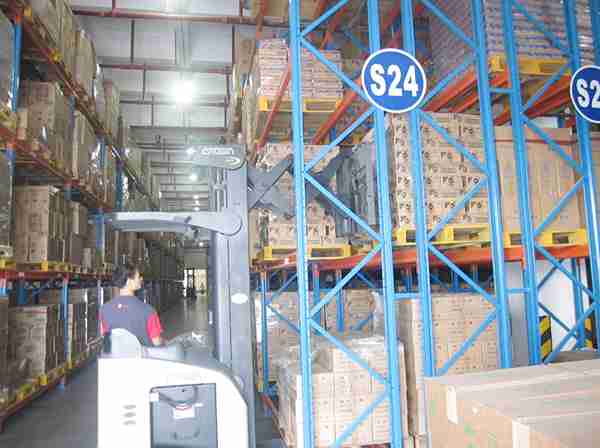
structural design double deep rack,In today’s high-demand logistics environment, optimizing warehouse space is critical. Double deep rack systems provide an excellent high-density storage solution, but their structural design must be meticulously planned to ensure safety, durability, and efficiency. Unlike traditional selective racking, double deep rack configurations store pallets two-deep, significantly reducing aisle space while increasing storage capacity. However, improper structural design for double deep rack systems can lead to load instability, forklift collisions, or even catastrophic rack failure.
This guide dives deep into the structural design principles that make double deep rack systems both space-efficient and structurally sound. From load distributionenbeam configurationsnaarseismic considerationsenforklift compatibility, every aspect of double deep rack structural design will be explored to help warehouse planners, engineers, and operations managers make informed decisions.

1. Core Principles of Double Deep Rack Structural Design
1.1 Why Structural Integrity is Non-Negotiable
Double deep rack systems rely on robust structural design to handle double the pallet depth compared to selective racking. Without proper engineering, these systems can suffer from:
- Beam deflection due to uneven weight distribution
- Upright frame twisting under heavy dynamic loads
- Forklift impact damage from narrow-aisle operations
1.2 Key Structural Components
Elkedouble deep rack system must be built with:
- Heavy-duty upright frames (12-16 gauge steel)
- Reinforced step beams or box beams for higher load capacity
- Row spacers to maintain stability between back-to-back racks
- Wire mesh decking or plywood supports to prevent pallet sagging
2. Optimizing Load Capacity in Double Deep Rack Systems
2.1 Understanding Static vs. Dynamic Loads
- Static loads (pallet weight) must be evenly distributed across beams
- Dynamic loads (forklift impacts, seismic forces) require additional reinforcement
2.2 Beam Selection for Maximum Strength
- Step beams (standard choice for most double deep rack systems)
- Box beams (higher load capacity, ideal for heavy pallets)
- Boltless vs. welded connections (welded offers greater rigidity)
2.3 Upright Frame Spacing & Reinforcement
- Narrower frame spacing (4-6 ft) improves load distribution
- Cross-aisle bracing prevents rack sway in seismic zones
3. Warehouse Layout & Forklift Compatibility
3.1 Aisle Width Requirements
- Standard reach trucks: 10-12 ft aisles
- Narrow-aisle (NA) forklifts: 8-9 ft aisles
- Very narrow aisle (VNA) systems: 5-6 ft aisles
3.2 Forklift Selection for Double Deep Rack Systems
- Deep-reach forklifts (essential for accessing second-deep pallets)
- Side-shift functionality (improves pallet placement accuracy)
4. Safety & Compliance in Double Deep Rack Structural Design
4.1 OSHA & RMI Standards
- Load capacity plates must be visible on every upright
- Column protectors & footplates reduce forklift damage
4.2 Seismic & Wind Load Considerations
- ANSI MH16.1 guidelines for earthquake-prone regions
- Reinforced baseplates & anchoring systems for stability
5. Advanced Structural Enhancements
5.1 Reinforced Baseplates & Anchoring
- Epoxy anchors (best for seismic zones)
- Mechanical anchors (faster installation, lower cost)
5.2 Pallet Support Systems
- Wire mesh decking (prevents pallet sagging)
- Plywood decking (better for uneven loads)
6. Cost-Effective Structural Design Strategies
6.1 Modular vs. Custom Racking
- Modular systems (lower upfront cost, less flexibility)
- Custom-engineered racks (higher cost, optimized for specific needs)
6.2 Future-Proofing Your Double Deep Rack System
- Adjustable beam levels (accommodate changing inventory)
- Expandable configurations (add more bays as needed)
Conclusie
A well-engineered structural design for double deep rack systems is the backbone of any high-density warehouse. By focusing on load capacity, beam strength, upright reinforcement, and forklift compatibility, businesses can maximize storage efficiency while ensuring long-term safety and compliance. Whether upgrading an existing system or installing a new one, these structural design principles will help create a high-performance, space-saving storage solution.
FAQs
1. How much storage space can double deep rack systems save?
By reducing aisle width, double deep rack systems can increase storage capacity by 20-30%vergeleken met selectieve stellingen.
2. What’s the maximum height for double deep racking?
Most double deep rack systems support up to 40 ft, but taller installations require engineering approval.
3. Can double deep racking be used in cold storage?
Yes, but galvanized or stainless steel racks are recommended to prevent corrosion.
4. How often should double deep racks be inspected?
Quarterly visual checksenannual professional inspections are essential for safety.
5. What forklifts work best with double deep racking?
Deep-reach forklifts with side-shift capability are ideal for double deep rack systems.