📐 "Eerste 50 bedrijfsvragen krijgen aangepast 3D-ontwerp van magazijn" Plan















Introduction: Why Specialized Racking for Cold Storage Matters
In the world of industrial refrigeration, racking for cold storage represents one of the most critical yet often overlooked components. Unlike conventional warehouse systems, cold storage racking must perform flawlessly in environments where temperatures plunge below freezing, where condensation constantly threatens equipment integrity, and where worker safety faces unique challenges.
This definitive guide explores every facet of racking for cold storage, from material science to cutting-edge configurations that maximize both space utilization and operational efficiency. Facility managers, warehouse designers, and logistics professionals will discover how the right racking for cold storage solutions can transform frozen storage operations—reducing energy costs, minimizing product loss, and improving throughput.
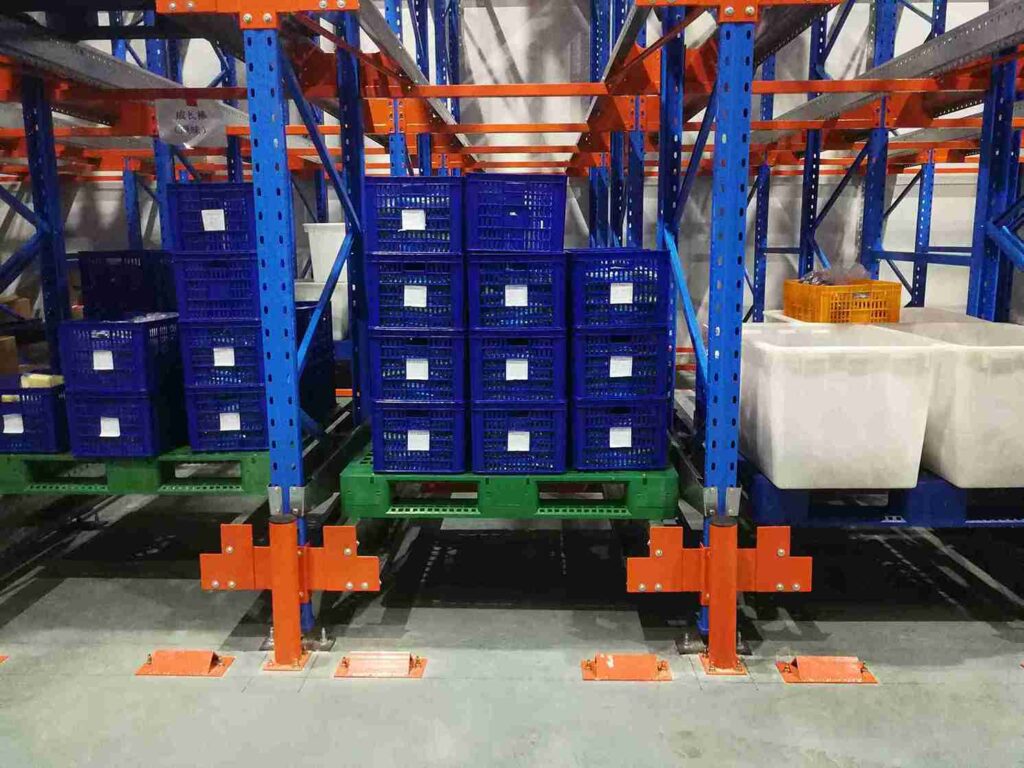
1. The Unique Demands of Cold Storage Environments
1.1 Temperature Extremes and Their Impact on Racking Systems
Racking for cold storage operates in a world where standard warehouse solutions fail catastrophically. At temperatures between -30°F to 32°F (-34°C to 0°C):
- Steel embrittlement becomes a critical concern, with standard racking components prone to sudden fractures
- Thermal contraction alters structural dimensions, requiring specialized engineering tolerances
- Condensation cycles accelerate corrosion, demanding advanced protective coatings
1.2 The Hidden Costs of Improper Racking for Cold Storage
Facilities using inadequate racking for cold storage face:
- 50% higher maintenance costs due to premature component failure
- 15-20% energy waste from poor airflow around improperly spaced racks
- Increased product damage from unstable load-bearing structures
2. Engineering Superior Racking for Cold Storage
2.1 Material Innovations for Sub-Zero Performance
Modern racking for cold storage utilizes:
- Low-temperature carbon steel (ASTM A572 Grade 50) with enhanced ductility
- Hot-dip galvanization with minimum 5-mil coating thickness
- Epoxy-polyester hybrid powders for corrosion resistance
2.2 Structural Design Considerations
Premium racking for cold storagebevat:
- Wider beam spacing (minimum 4″ clearance) for pallet shrinkage
- Reinforced upright frames with 12-gauge steel construction
- Impact-resistant safety locks for forklift collision protection
3. Advanced Racking for Cold Storage Configurations
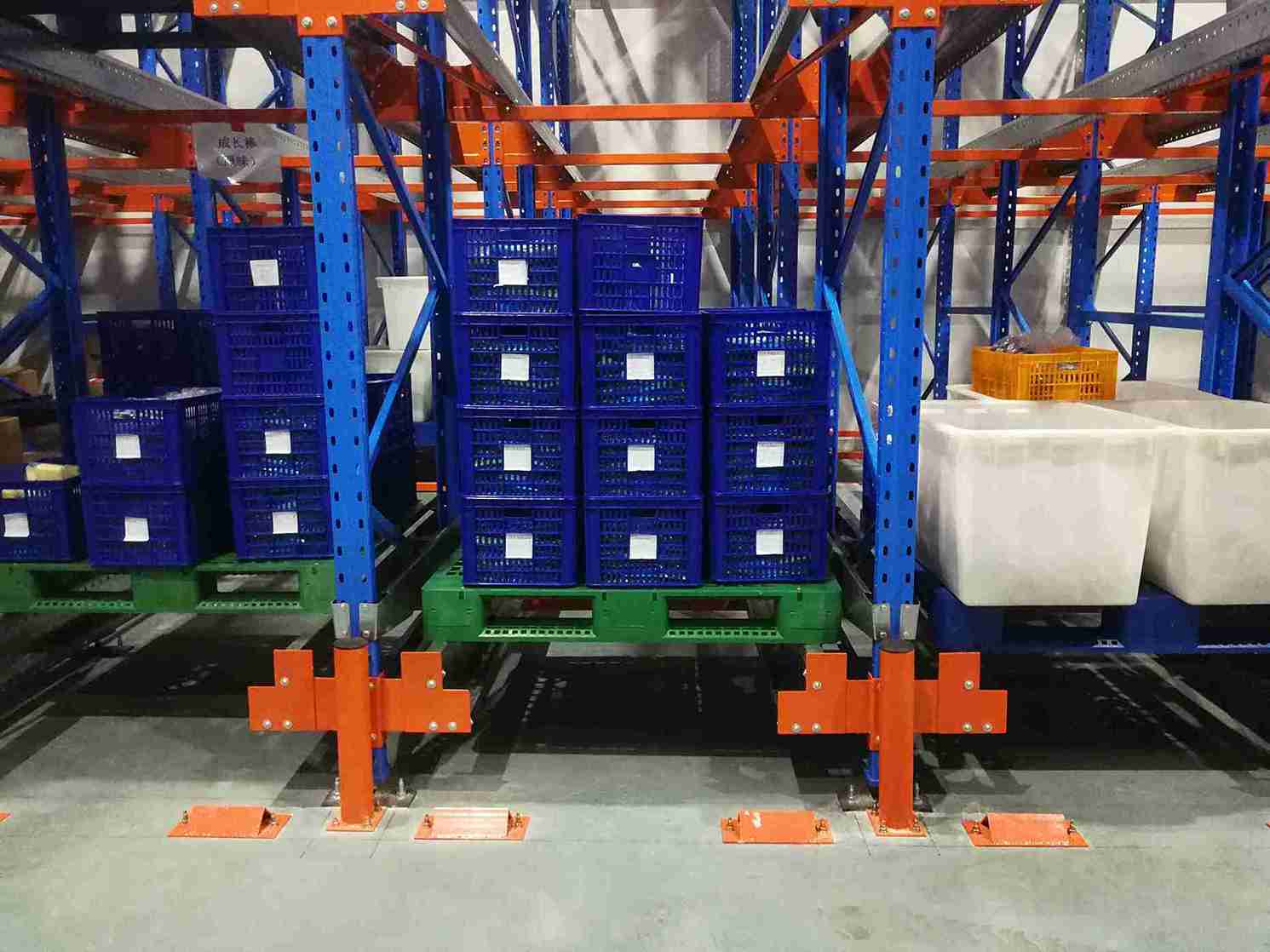
3.1 High-Density Push-Back Systems
The latest evolution in racking for cold storage features:
- Nested cart designs allowing 4-6 pallet depth storage
- Polyurethane wheel assemblies that won’t freeze or bind
- Stainless steel guide rails for smooth operation in icy conditions
3.2 Automated Pallet Flow Solutions
Cutting-edge racking for cold storage now integrates:
- Gravity flow systems with -40°F rated roller bearings
- Dynamic braking systems to control frozen pallet velocity
- Modular aluminum extrusions that eliminate condensation points
4. Installation Mastery for Racking for Cold Storage
4.1 Cold-Specific Anchoring Protocols
Proper installation of racking for cold storage requires:
- Thermal expansion anchors with 25% greater embedment depth
- Non-conductive shims to prevent thermal bridging
- Laser alignment to account for concrete contraction
4.2 Climate-Controlled Assembly Techniques
Top installers of racking for cold storage employ:
- Pre-warming components to prevent thermal shock during assembly
- Torque-controlled tightening accounting for metal contraction
- Phase construction allowing system acclimatization
5. Maintenance Strategies for Long-Term Performance
5.1 Specialized Inspection Protocols
Effective racking for cold storage maintenance involves:
- Quarterly ultrasonic testing for micro-fractures
- Thermographic scanning to detect stress points
- Coating thickness verification using electromagnetic gauges
5.2 Cold-Specific Lubrication Programs
Maintaining racking for cold storage mobility requires:
- Synthetic lubricants with -60°F pour points
- Food-grade silicone treatments for pharmaceutical storage
- Dry-film protectants for high-moisture areas
6. The Future of Racking for Cold Storage
6.1 Smart Racking Integration
Next-generation racking for cold storage will feature:
- Embedded IoT sensors monitoring structural integrity
- Automated load tracking using RFID technology
- Predictive maintenance algorithms based on temperature data
6.2 Sustainable Material Breakthroughs
Emerging racking for cold storage solutions include:
- Carbon fiber reinforced composites eliminating metal fatigue
- Self-healing polymer coatings repairing micro-damage
- Phase-change materials stabilizing rack temperatures
Conclusion: Optimizing Your Cold Storage Investment
Selecting and maintaining proper racking for cold storage represents one of the most impactful decisions for frozen storage operations. From material selection to advanced configurations, every element must work in harmony to withstand the brutal demands of sub-zero environments while maximizing storage density and operational efficiency.
By implementing the strategies outlined in this guide, facilities can achieve:
- 30-40% longer system lifespan compared to conventional racking
- 20% improvement in storage density through optimized configurations
- Reduced energy consumption via proper airflow design
- Enhanced worker safety through cold-adapted engineering
The right racking for cold storage solution doesn’t just store products—it becomes a strategic asset driving profitability in one of logistics’ most challenging environments.
FAQ's: Expert Answers on Racking for Cold Storage
1. How does pallet material affect racking for cold storage performance?
Frozen wooden pallets shrink up to 3%, requiring racking for cold storage with adjustable beam spacing. Plastic pallets become brittle, demanding specialized load supports.
2. What’s the ROI timeline for premium racking for cold storage?
Most facilities recoup costs within 18-24 months through reduced maintenance, energy savings, and increased storage capacity.
3. Can existing racking be retrofitted for cold storage use?
Limited retrofits are possible but typically cost 60-70% of new systems while delivering only partial performance benefits.
4. How does racking for cold storage impact insurance premiums?
Properly engineered systems can reduce premiums by 15-25% by minimizing slip hazards and structural failure risks.
5. What certifications should quality racking for cold storage possess?
Look for RMI/ANSI MH16.1 compliance,ISO 9001 certificationenspecific low-temperature testing documentation.