📐 "Eerste 50 bedrijfsvragen krijgen aangepast 3D-ontwerp van magazijn" Plan
















The Ultimate Guide to Heavy-Duty Selective Pallet Racking for High-Density Warehousing and Maximum ROI
In today’s demanding logistics landscape, warehouse operators face unprecedented pressure to optimize space while maintaining operational flexibility. The strategic implementation of heavy-duty selective pallet racking represents a fundamental solution for operations seeking to maximize storage density without compromising accessibility. This comprehensive examination explores how properly engineered selectieve palletstellingen systems serve as the cornerstone of efficient warehouse design, delivering measurable returns through space utilization, operational efficiency, and long-term reliability.
The focus on heavy-duty selective pallet racking specifically addresses the needs of facilities handling substantial loads while requiring immediate access to every pallet position. Through detailed analysis of engineering principles, configuration strategies, and integration methodologies, this guide establishes why selectieve palletstellingen remains the preferred storage solution for countless industrial operations worldwide.
The Engineering Foundation of Modern Selective Pallet Racking Systems
Understanding the structural principles behind heavy-duty selective pallet racking requires examining both component design and system integration. The fundamental architecture of selectieve palletstellingen creates a balanced structure that distributes weight efficiently while maintaining complete accessibility.
Structural Dynamics in Selective Pallet Racking Design
The engineering behind heavy-duty selective pallet racking addresses multiple physical forces beyond simple vertical loading. Dynamic forces from forklift operations, seismic considerations in various global regions, and potential impact scenarios all factor into the design calculus for robust selectieve palletstellingen systems. The moment resistance of beam-to-column connections represents a critical engineering focus in selectieve palletstellingen, ensuring stability under both normal and exceptional loading conditions.
The progressive design of modern selectieve palletstellingen incorporates sophisticated finite element analysis to predict performance across the entire structure, not merely at component level. This systems approach to selectieve palletstellingen engineering distinguishes premium solutions from basic storage products.
Material Science in Selective Pallet Racking Manufacturing
The metallurgical composition of steel used in heavy-duty selective pallet racking directly influences both strength characteristics and long-term durability. High-strength low-alloy steels increasingly feature in premium selectieve palletstellingen components, providing enhanced load capacity without proportional increases in material thickness. The manufacturing process for selectieve palletstellingen components involves precise roll-forming techniques that maintain material integrity while creating the complex shapes necessary for optimal strength-to-weight ratios. Surface preparation and finishing for selectieve palletstellingen systems involve multi-stage processes that ensure corrosion resistance throughout the expected service life, particularly important for facilities with environmental challenges.
Advanced Configuration Strategies for Selective Pallet Racking
Moving beyond basic installation, sophisticated approaches to selectieve palletstellingen layout can yield significant improvements in both storage density and operational efficiency. The configuration of selectieve palletstellingen systems represents an opportunity to customize storage solutions to specific operational requirements.
Optimizing Aisle Dimensions in Selective Pallet Racking Layouts
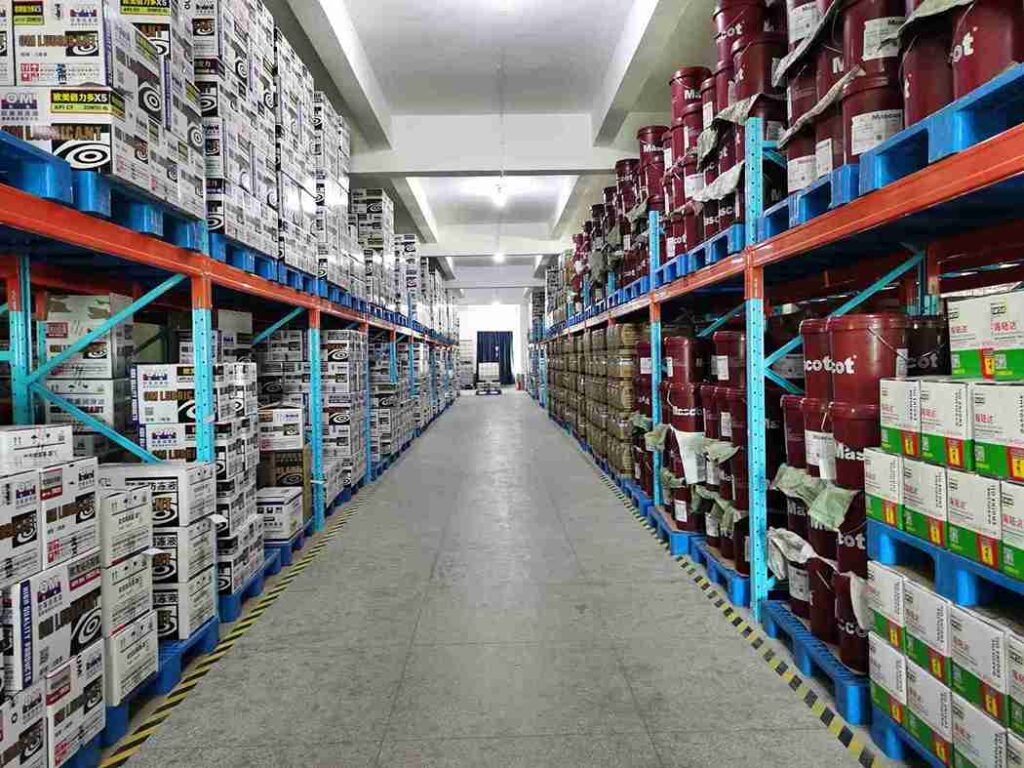
The strategic determination of aisle widths represents a critical consideration in selectieve palletstellingen configuration. While conventional selectieve palletstellingen installations typically require aisles of 10-12 feet for standard forklift operations, innovative approaches can substantially reduce this requirement. The integration of specialized equipment allows for narrower aisle selectieve palletstellingen configurations, potentially increasing storage density by 20-30% compared to traditional layouts.
This narrow aisle selectieve palletstellingen approach maintains the fundamental advantage of direct pallet access while significantly enhancing space utilization. The operational implications of various aisle width strategies must be carefully evaluated when planning selectieve palletstellingen implementations.
Vertical Optimization Techniques for Selective Pallet Racking
Maximizing cubic storage space represents a fundamental advantage of properly configured selectieve palletstellingen systems. The vertical dimension in warehouse facilities often represents the most significant opportunity for storage expansion through selectieve palletstellingen. Engineering considerations for tall selectieve palletstellingen installations extend beyond simple load capacity to include seismic reinforcement, overall stability, and integration with building systems.
The implementation of very narrow aisle (VNA) selectieve palletstellingen configurations can extend storage heights to 45 feet or more, dramatically increasing storage capacity within existing footprints. This vertical optimization approach to selectieve palletstellingen requires specialized equipment but delivers exceptional storage density while maintaining the accessibility inherent in selectieve palletstellingen ontwerp.
Integration Methodologies: Selective Pallet Racking in Automated Environments
The role of selectieve palletstellingen extends far beyond manual storage applications, serving as the physical infrastructure for increasingly automated operations. The compatibility of selectieve palletstellingen with various automation technologies enhances its relevance in modern distribution environments.
Selective Pallet Racking as the Foundation for ASRS
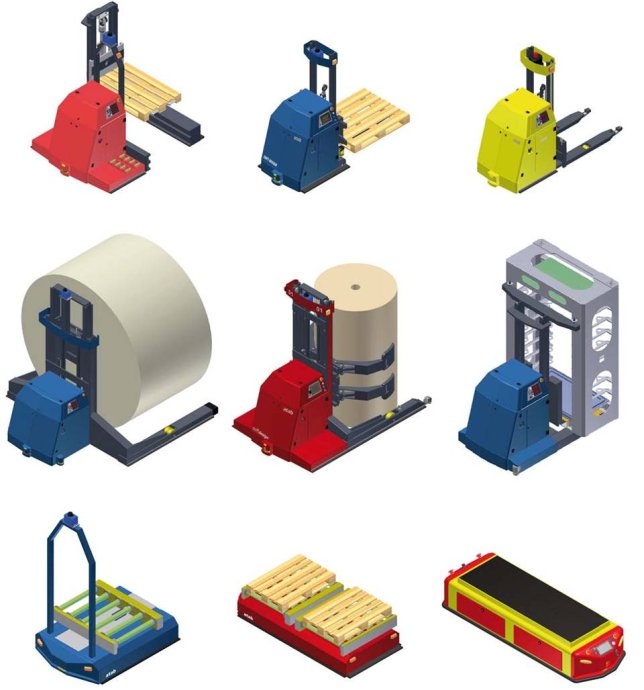
Automated Storage and Retrieval Systems (ASRS) frequently utilize the basic structural principles of selectieve palletstellingen as their physical framework. The precision and consistency of high-quality selectieve palletstellingen creates an ideal interface for automated storage and retrieval machinery. The structural tolerances required for ASRS applications typically exceed those of conventional selectieve palletstellingen installations, demanding enhanced manufacturing precision and installation accuracy.
This specialized application of selectieve palletstellingen demonstrates the versatility of the fundamental design when executed to exacting standards. The progression from manual selectieve palletstellingen to semi-automated and fully automated systems represents a logical evolution that preserves the initial investment in storage infrastructure.
RFID and IoT Integration with Selective Pallet Racking
The physical structure of selectieve palletstellingen provides an ideal platform for implementing inventory tracking and management technologies. Strategic placement of RFID readers and antennas on selectieve palletstellingen components enables comprehensive inventory visibility without impeding operational flow. The addition of sensor technologies to selectieve palletstellingen structures can monitor load conditions, detect impacts, and provide real-time data on storage utilization.
This smart selectieve palletstellingen approach transforms passive storage into an active information system, enhancing both operational control and strategic decision-making. The modular nature of selectieve palletstellingen facilitates the seamless integration of these technologies without requiring fundamental redesign.
Comparative Analysis: Selective Pallet Racking Versus Alternative Storage Technologies
Positioning selectieve palletstellingen within the broader context of storage solutions clarifies its appropriate applications and competitive advantages. Understanding where selectieve palletstellingen excels relative to alternative approaches informs strategic storage decisions.
Selective Pallet Racking Versus Drive-In/Drive-Through Systems
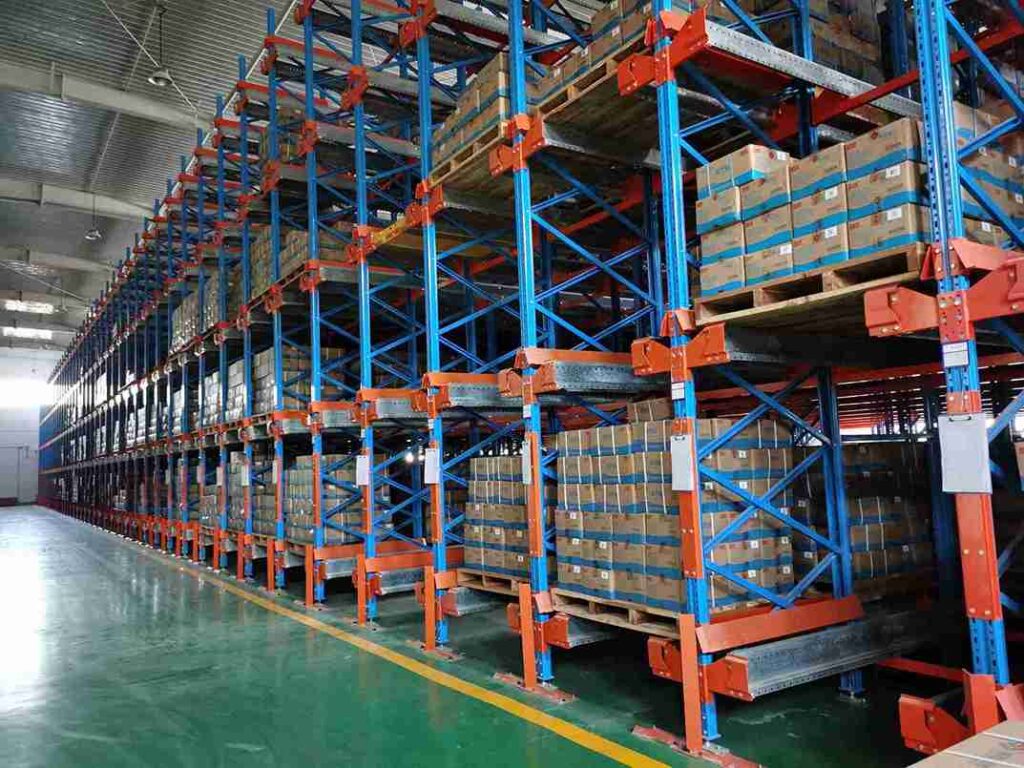
The fundamental distinction between selectieve palletstellingen and drive-in/drive-through systems revolves around the trade-off between density and accessibility. While drive-in systems can achieve higher storage density for compatible product profiles, they sacrifice the immediate access to every pallet position that characterizes selectieve palletstellingen. The operational implications of this difference make selectieve palletstellingen preferable for applications requiring high throughput or strict FIFO inventory management. The flexibility of selectieve palletstellingen to accommodate diverse product profiles within the same system represents another significant advantage over drive-in configurations. The decision between these approaches ultimately depends on specific operational requirements rather than abstract superiority.
Selective Pallet Racking Versus Push-Back Racking Systems
Push-back racking systems offer increased density compared to selectieve palletstellingen through deeper storage configurations, typically ranging from 2-6 pallets deep. This approach maintains some degree of selectivity within each lane, distinguishing it from drive-in systems. However, the operational complexity and cost per position of push-back systems frequently exceed those of selectieve palletstellingen. The simplicity and reliability of selectieve palletstellingen continue to make it the preferred choice for many operations despite the density advantage of push-back configurations. The evaluation between selectieve palletstellingen and push-back systems should consider both initial investment and long-term operational costs across the expected equipment lifecycle.
Global Standards and Compliance in Selective Pallet Racking
The international application of selectieve palletstellingen necessitates understanding of varying regulatory environments and compliance requirements. The engineering of selectieve palletstellingen systems must address both universal physical principles and region-specific standards.
Seismic Considerations for Selective Pallet Racking Installations
Geographic variations in seismic activity significantly influence the engineering requirements for selectieve palletstellingen systems. Regions with elevated seismic risk require specific design enhancements to selectieve palletstellingen systems, including increased attention to interconnection strength, overall stability, and anchorage design. The seismic design of selectieve palletstellingen involves complex dynamic analysis beyond standard static load calculations.
Professional specification of selectieve palletstellingen for seismic zones requires specialized expertise and familiarity with local building codes and seismic design categories. The proper application of seismic engineering principles to selectieve palletstellingen ensures both regulatory compliance and operational safety in affected regions.
International Design Standards for Selective Pallet Racking
Various international standards govern the design, testing, and application of selectieve palletstellingen systems across global markets. The European FEM 10.2.02 standard, American RMI MH16.1 specification, and Australian AS 4084 standard all provide comprehensive frameworks for selectieve palletstellingen engineering. While these standards share common principles, understanding their specific requirements proves essential for multinational implementations of selectieve palletstellingen systems.
The certification of selectieve palletstellingen components and systems to relevant international standards provides assurance of quality and compliance across jurisdictional boundaries. This standards-based approach to selectieve palletstellingen specification facilitates consistent safety and performance regardless of installation location.
Advanced Applications and Customization of Selective Pallet Racking
The versatility of selectieve palletstellingen extends to numerous specialized applications beyond conventional pallet storage. The adaptability of the basic selectieve palletstellingen concept enables solutions for diverse storage challenges.
Mezzanine Integration with Selective Pallet Racking Systems
The structural framework of selectieve palletstellingen provides an ideal support system for integrated mezzanine levels, effectively creating multiple storage tiers within the same footprint. This approach to selectieve palletstellingen configuration can effectively double storage capacity within existing facility height constraints. The engineering integration of mezzanine structures with selectieve palletstellingen requires specialized design to ensure structural integrity and operational safety.
The combined selectieve palletstellingen and mezzanine solution represents one of the most space-efficient storage configurations available, particularly valuable in facilities with limited expansion possibilities. This application demonstrates the adaptability of selectieve palletstellingen beyond conventional storage paradigms.
Selective Pallet Racking for Non-Palletized Storage
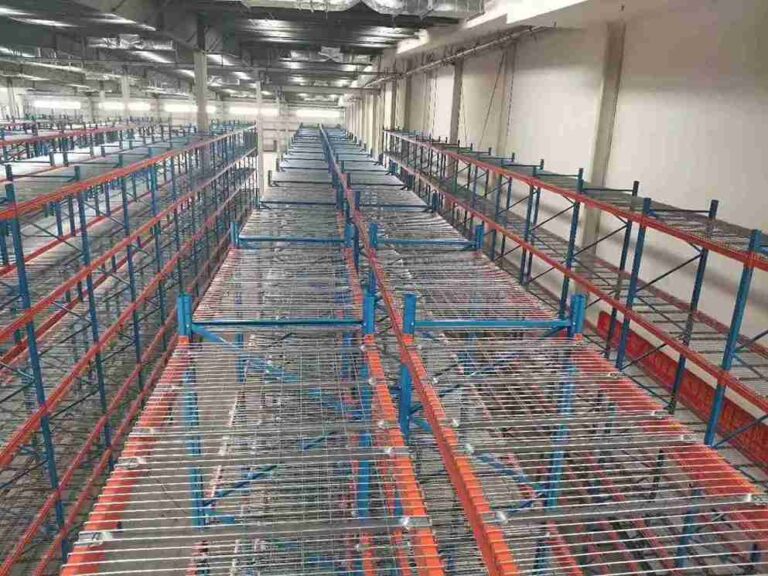
While designed primarily for unit load handling, selectieve palletstellingen systems can be adapted for storage of non-palletized items through various accessory options. The addition of shelving decks, bin support systems, or other specialized accessories transforms standard selectieve palletstellingen into versatile storage solutions for smaller items. This flexibility allows operations to utilize selectieve palletstellingen as a unified storage approach across multiple inventory profiles, reducing the need for separate storage systems.
The accessory options available for selectieve palletstellingen continue to expand, enhancing its application across diverse storage scenarios. This adaptability reinforces the position of selectieve palletstellingen as a comprehensive storage solution rather than a single-purpose product.
Lifecycle Management and Maintenance of Selective Pallet Racking
The long-term performance and safety of selectieve palletstellingen systems depend on appropriate maintenance practices and periodic inspection protocols. Establishing systematic approaches to selectieve palletstellingen management ensures ongoing operational integrity.
Systematic Inspection Protocols for Selective Pallet Racking
Implementing formal inspection procedures represents a critical component of responsible selectieve palletstellingen management. Regular inspection of selectieve palletstellingen should address both obvious damage and more subtle indicators of potential problems. The inspection framework for selectieve palletstellingen typically includes daily visual checks by operational staff, periodic formal inspections by supervisors, and comprehensive annual assessments by qualified personnel. Documentation of selectieve palletstellingen inspections provides a valuable record of system condition and facilitates trend analysis over time. This systematic approach to selectieve palletstellingen maintenance identifies issues before they compromise safety or operational efficiency.
Repair and Modification Procedures for Selective Pallet Racking
The modular design of selectieve palletstellingen facilitates both repair and reconfiguration as operational requirements evolve. Specific protocols govern the proper repair of damaged selectieve palletstellingen components, emphasizing the use of manufacturer-approved parts and procedures. The modification of existing selectieve palletstellingen systems, whether for expansion or reconfiguration, requires engineering review to ensure continued compliance with design standards. The ability to adapt and expand selectieve palletstellingen systems over time represents a significant advantage over less flexible storage approaches. This adaptability extends the functional lifespan of selectieve palletstellingen investments, enhancing long-term value.
Conclusion: The Strategic Role of Selective Pallet Racking in Modern Logistics
The continued evolution of selectieve palletstellingen systems maintains their position as fundamental components of efficient storage operations worldwide. The combination of accessibility, flexibility, and cost-effectiveness ensures the ongoing relevance of selectieve palletstellingen across diverse applications. The engineering development of selectieve palletstellingen continues to enhance both performance characteristics and integration capabilities with emerging technologies.
The comprehensive understanding of selectieve palletstellingen applications, from basic storage to automated integration, enables informed decision-making regarding storage infrastructure. The strategic implementation of selectieve palletstellingen represents a sound investment in operational efficiency that continues to deliver value across the equipment lifecycle. As storage requirements evolve, the fundamental advantages of selectieve palletstellingen ensure its continued prominence in storage strategy.
Veelgestelde vragen (FAQ's)
1. What specific engineering calculations differentiate heavy-duty selective pallet racking from standard versions?
The engineering for heavy-duty selectieve palletstellingen involves more complex calculations for dynamic load factors, seismic considerations where applicable, and specific beam deflection criteria that exceed standard requirements. The structural analysis for heavy-duty selectieve palletstellingen typically includes finite element modeling of connection points and comprehensive upright frame analysis under various load scenarios. This rigorous approach to engineering selectieve palletstellingen ensures performance under demanding conditions.
2. How does the installation process for seismic-rated selective pallet racking differ from standard installations?
Seismic-rated selectieve palletstellingen installation requires stricter adherence to plumb tolerances, specific torque values for connections, and often additional bracing components not found in standard selectieve palletstellingen configurations. The anchorage system for seismic selectieve palletstellingen typically involves more anchors with higher pull-out values, properly installed into certified concrete substrates. The verification process for seismic selectieve palletstellingen installations includes more comprehensive documentation and often third-party inspection.
3. What specific measurements and data should be collected before designing a selective pallet racking system?
Critical information for designing selectieve palletstellingen includes precise pallet dimensions and weights, forklift specifications including lift heights and turning radii, clear ceiling height measurements, column locations, and door positions. For comprehensive selectieve palletstellingen design, additional data regarding inventory profile, throughput requirements, and future expansion plans helps optimize the layout. The most effective selectieve palletstellingen designs incorporate both current operational data and strategic business objectives.
4. How does the load capacity of selective pallet racking change with varying beam elevations?
The load capacity in selectieve palletstellingen systems is influenced by beam elevation due to changing structural dynamics within the upright frames. Generally, selectieve palletstellingen beams at higher elevations have reduced capacity ratings compared to identical beams at lower positions in the same bay. The specific capacity reduction factors for selectieve palletstellingen components are provided by manufacturers and must be adhered to during configuration. This elevation consideration is crucial for proper selectieve palletstellingen planning and installation.
5. What specific training should warehouse staff receive regarding selective pallet racking safety?
Comprehensive training for staff working with selectieve palletstellingen should include proper loading techniques, visual inspection procedures, impact reporting protocols, and understanding load capacity signage. Specific training regarding selectieve palletstellingen should address the particular type of equipment used in the facility, whether standard forklifts, narrow aisle equipment, or automated systems. Regular refresher training on selectieve palletstellingen safety helps maintain awareness and compliance with operational procedures.
Als u perfecte CAD-tekeningen en offertes voor magazijnstellingen nodig hebt, neem contact met ons op. We kunnen u voorzien van gratis planning- en ontwerpdiensten en offertes voor magazijnstellingen. Ons e-mailadres is: jili@geelyracks.com