📐 "Eerste 50 bedrijfsvragen krijgen aangepast 3D-ontwerp van magazijn" Plan
















Introduction: The Critical Role of Pallet Racking Systems in Modern Warehousing
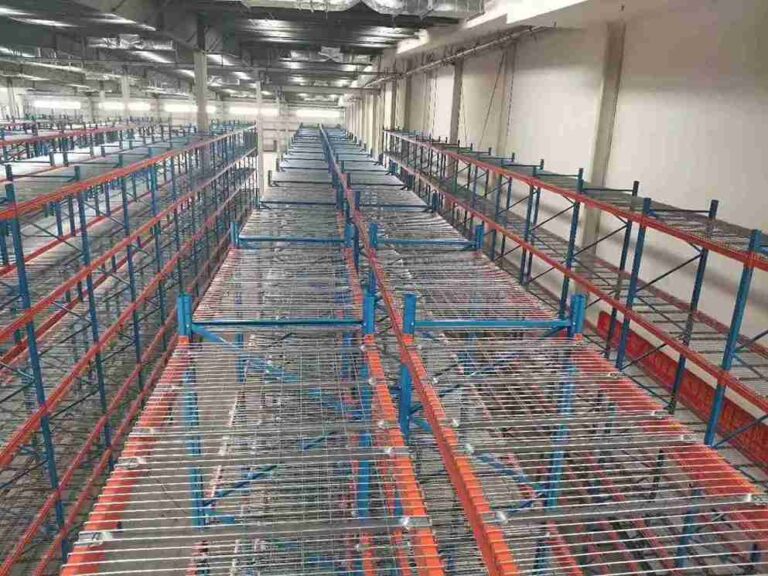
In an era where warehouse space comes at a premium, palletstellingen have become the backbone of efficient storage solutions. These systems allow businesses to store goods vertically, dramatically increasing storage density while maintaining accessibility. Whether managing a small distribution center or a large-scale fulfillment warehouse, selecting the right pallet racking system can mean the difference between streamlined operations and costly inefficiencies.
This in-depth guide explores the best pallet racking systems available today, their unique advantages, and how they can optimize warehouse space. Additionally, it provides expert insights on selection criteria, safety best practices, and emerging trends in pallet racking technology.

1. What Are Pallet Racking Systems and Why Are They Essential?
Pallet racking systems are engineered storage structures designed to hold palletized goods in an organized, space-efficient manner. They are a fundamental component of warehouse operations, enabling businesses to:
- Maximize vertical storage space – Warehouses with high ceilings can double or triple storage capacity with the right pallet racking system.
- Improve inventory accessibility – Different types of pallet racking offer varying levels of selectivity, making it easier to retrieve goods.
- Enhance workplace safety – Properly installed pallet racking systems reduce clutter and minimize forklift accidents.
1.1 Key Benefits of Implementing Pallet Racking Systems
- Increased Storage Density – By utilizing vertical space, warehouses can store more inventory without expanding their footprint.
- Better Inventory Management – Organized pallet racking systems allow for faster picking and reduced errors.
- Scalability – Modular designs make it easy to expand pallet racking systems as business needs grow.
1.2 Industries That Rely Heavily on Pallet Racking Systems
- Retail & E-commerce – High SKU variety demands flexible pallet racking solutions.
- Food & Beverage – FIFO-compatible pallet racking systems are crucial for perishable goods.
- Manufacturing & Automotive – Heavy-duty pallet racking supports bulky components.
2. The Top Pallet Racking Systems for Warehouse Optimization
Selecting the right pallet racking system depends on inventory type, turnover rate, and warehouse layout. Below are the most effective pallet racking systems available today.
2.1 Selective Pallet Racking – The Industry Standard
Selective pallet racking is the most widely used system due to its versatility and ease of access.
Why Choose Selective Pallet Racking?
- Direct access to every pallet without moving others.
- Ideal for warehouses with diverse SKUs.
- Adjustable beams accommodate varying load sizes.
Best Applications:
- Retail distribution centers
- Warehouses with frequent stock rotation
2.2 Drive-In & Drive-Through Pallet Racking – High-Density Storage
For warehouses storing large quantities of identical products, drive-in pallet racking eliminates aisles, opslagdichtheid maximaliseren.
Key Advantages:
- Forklifts drive directly into the racking structure.
- LIFO (Last-In, First-Out) inventory flow.
- Perfect for cold storage and bulk goods.
Ideal For:
- Beverage storage facilities
- Food distribution warehouses
2.3 Push-Back Pallet Racking – Dynamic Storage Solution
Push-back pallet rackingaanbiedingena balance between density and accessibility, storing multiple pallets per lane.
How It Works:
- Pallets are placed on inclined carts that slide backward as new inventory is added.
- Supports both FIFO and LIFO methods.
- Higher density than selective racking.
Top Use Cases:
- Automotive parts warehouses
- Medium to high-turnover facilities
2.4 Pallet Flow Racking – Automated High-Throughput Storage
Pallet flow racking uses gravity rollers to move pallets automatically, reducing labor costs.
Why It’s Efficient:
- FIFO inventory control – Critical for perishable goods.
- Minimal aisle space required.
- Ideal for high-volume operations.
Best Suited For:
- Pharmaceutical storage
- Beverage distribution centers
2.5 Cantilever Pallet Racking – For Oversized and Long Loads
Cantilever pallet racking is designed for non-palletized, bulky items that don’t fit standard systems.
Key Features:
- No front columns – Easy loading of long items.
- Adjustable arms for different load sizes.
Commonly Used In:
- Lumber and building material storage
- Furniture warehouses
2.6 Mobile Pallet Racking – Space-Saving on Demand
Mobile pallet racking moves on tracks, reducing aisle space by up to 50%.
Why It’s Unique:
- Motorized or manual movement options.
- Ideal for low-turnover inventory.
Best For:
- Archival document storage
- Seasonal inventory management
3. How to Select the Best Pallet Racking System for Your Warehouse
Choosing the right pallet racking system requires careful analysis of several factors.
3.1 Warehouse Layout and Space Constraints
- Measure ceiling height, floor space, and aisle requirements.
- Consider future expansion needs.
3.2 Inventory Characteristics
- SKU variety vs. bulk storage needs.
- Weight and dimensions of stored goods.
3.3 Throughput and Accessibility Needs
- High-turnover warehouses benefit from selective or push-back racking.
- Low-turnover storage works best with drive-in or mobile racking.
3.4 Budget and Return on Investment (ROI)
- Initial cost vs. long-term savings (labor, space optimization).
- Durability and maintenance costs.
4. Installation and Safety Best Practices for Pallet Racking Systems
Even the best pallet racking system can fail without proper installation and maintenance.
4.1 Professional Installation vs. DIY Setup
- Expert installation ensures structural integrity.
- DIY may save costs but risks improper assembly.
4.2 Essential Safety Measures
- Regular inspections for damage or wear.
- Proper weight distribution to prevent collapses.
- Use of safety guards and column protectors.
4.3 Compliance with OSHA and RMI Standards
- Follow ANSI MH16.1 and OSHA guidelines.
- Ensure proper load signage and capacity limits.
5. The Future of Pallet Racking Systems: Trends to Watch
The warehousing industry is evolving, and pallet racking systems are becoming smarter and more sustainable.
5.1 Automation and Smart Racking Solutions
- Integration with Warehouse Management Systems (WMS).
- Automated Storage and Retrieval Systems (AS/RS).
5.2 Eco-Friendly and Modular Racking Designs
- Recyclable materials and energy-efficient designs.
- Modular systems for easy reconfiguration.
Conclusion: Optimizing Warehouse Space with the Right Pallet Racking System
Selecting the best pallet racking system is crucial for maximizing warehouse efficiency, improving workflow, and reducing costs. Whether opting for high-density drive-in racking or flexible selectieve stellingen, understanding warehouse needs ensures the best investment.
By adhering to safety standards, staying updated with industry trends, and choosing the right pallet racking solution, businesses can future-proof their operations and maintain a competitive edge.
Frequently Asked Questions (FAQ's)
1. What is the most cost-effective pallet racking system?
Selective pallet racking is typically the most budget-friendly, offering a balance of affordability and accessibility.
2. How often should pallet racking be inspected?
Ten minsteannually, but high-traffic warehouses should conduct quarterly inspections.
3. Can different pallet racking systems be combined in one warehouse?
Yes! Many warehouses use a mix of selective, drive-in, and push-back racking to optimize different storage zones.
4. What’s the maximum height for pallet racking systems?
This depends on ceiling height and forklift capabilities, but some systems exceed 40 feet.
5. How do I know if my warehouse floor can support pallet racking?
Abouwkundig ingenieur should assess floor load capacity before installation.