📐 "Eerste 50 bedrijfsvragen krijgen aangepast 3D-ontwerp van magazijn" Plan















Introduction: Why Proper Installation of Double Deep Racking Matters
For warehouse managers and logistics professionals looking to maximize storage capacity, learning how to install double deep racking correctly is essential. Unlike traditional single-deep systems, double deep pallet racking requires precise execution to ensure structural integrity, operational efficiency, and long-term safety.
This guide provides a detailed, expert-backed walkthrough on how to install double deep racking—covering everything from pre-installation planning to final safety checks. Whether setting up a new warehouse or retrofitting an existing space, following these steps will help avoid costly mistakes and optimize storage density.
1. Understanding Double Deep Racking Before Installation
1.1 What Makes Double Deep Racking Different?
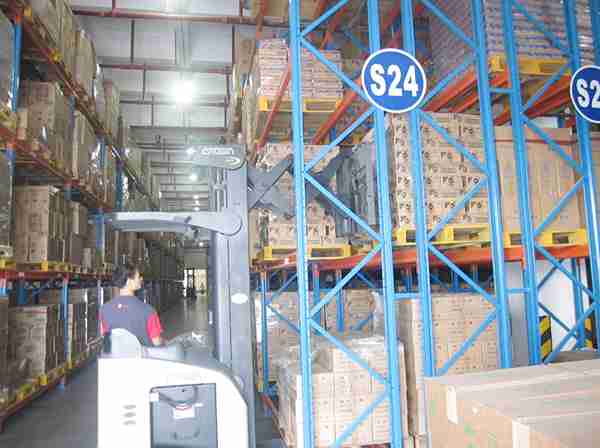
Dubbele diepe stellingen stores pallets two rows deep, significantly increasing storage capacity compared to single-deep setups. However, installing double deep racking requires specialized forklifts (like reach trucks) to access the second row of pallets.
1.2 Key Advantages of Double Deep Racking
- 50% more storage capacity than single-deep systems
- Better space utilization for warehouses with limited square footage
- Cost-effective compared to drive-in or push-back racking
- Flexible inventory management (FIFO or LIFO compatible)
1.3 Is Double Deep Racking Right for Your Warehouse?
Before learning how to install double deep racking, assess whether it fits your operations:
✔High-volume SKUs with uniform pallet sizes
✔Narrow-aisle forklifts available (standard forklifts won’t work)
✔Adequate ceiling height for vertical storage
2. Pre-Installation Planning for Double Deep Racking
2.1 Warehouse Layout & Space Requirements
Properly installing double deep racking starts with a thorough site assessment:
- Aisle width: Minimum 8-10 feet for reach truck maneuverability
- Floor condition: Must be level and load-bearing (concrete preferred)
- Ceiling clearance: At least 18-24 inches above the highest beam
2.2 Calculating Load Capacity & Beam Configuration
A critical step in how to install double deep racking is determining weight limits:
- Maximum pallet weight per level (consult manufacturer specs)
- Beam length selection (common sizes: 8 ft, 10 ft, 12 ft)
- Upright frame capacity (varies by gauge and height)
2.3 Safety & Compliance Considerations
Ignoring safety protocols when installing double deep racking can lead to collapses or OSHA violations:
✅Follow RMI (Rack Manufacturers Institute) guidelines
✅Use proper anchoring (½” diameter expansion bolts for concrete)
✅Install column protectors & safety guards
3. Essential Tools & Materials for Installing Double Deep Racking
3.1 Must-Have Installation Tools
To properly install double deep racking, gather these tools:
- Torque wrench (for precise bolt tightening)
- Laser level & measuring tape (for alignment accuracy)
- Scissor lift or forklift (for upright placement)
3.2 Required Racking Components
Before starting how to install double deep racking, ensure all parts are ready:
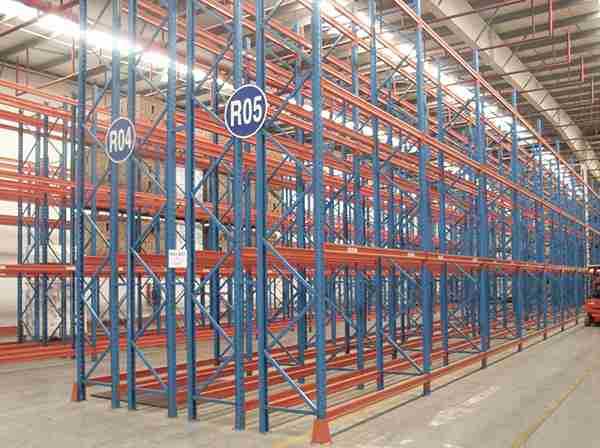
🔹Upright frames (front and rear rows)
🔹Beams & locking pins (matched to upright slots)
🔹Shims & base plates (for uneven flooring)
🔹Anchor bolts (minimum ½” diameter, epoxy-set for maximum strength)
4. Step-by-Step Guide: How to Install Double Deep Racking
4.1 Step 1: Marking the Floor Layout
- Gebruikchalk lines or laser markers to outline rack positions
- Zorg voorconsistent spacing between uprights (typically 8-12 ft apart)
4.2 Step 2: Installing Front Upright Frames
- Plaatsfront uprights first, securing with anchor bolts
- Torque bolts to manufacturer specifications (usually 50-60 ft-lbs)
- Verify plumb alignment with a laser level
4.3 Step 3: Attaching Cross Beams
- Insert beam connectors into upright slots
- Secure with locking pins or bolts
- Double-check load ratings before proceeding
4.4 Step 4: Setting Up Rear Uprights & Beams
- Align rear uprights precisely with the front row
- Maintain consistent depth (standard: 6-8 ft between rows)
4.5 Step 5: Final Safety Checks & Adjustments
- Inspect all bolts for tightness
- Test forklift access in aisles
- Install safety signage & rack protectors
5. Common Mistakes When Installing Double Deep Racking
5.1 Uneven Beam Installation
❌ Problem: Misaligned beams cause pallet instability
✅Oplossing. Always use a laser level for precision
5.2 Overloading the System
❌ Problem: Exceeding weight limits risks collapse
✅Oplossing. Follow manufacturer’s load charts strictly
5.3 Poor Anchoring Practices
❌ Problem: Weak anchors lead to rack sway
✅Oplossing.Gebruikhigh-strength expansion bolts
6. Maintenance & Safety Best Practices After Installation
6.1 Routine Inspection Checklist
- Controleer opbent beams or damaged uprights monthly
- Tighten loose bolts immediately
6.2 Forklift Operator Training
- Only certified operators should handle double-deep systems
- Enforce slow, controlled movementsin smalle gangpaden
6.3 Optimizing Load Distribution
- Plaatsheavier pallets on lower levels
- Avoid overhanging loads beyond beam edges
7. Frequently Asked Questions (FAQ's)
Q1: Can I convert single-deep racking to double deep?
Yes, but it requires additional uprights, beams, and aisle adjustments. Consult a racking specialist.
Q2: What forklift is needed for double deep racking?
Anarrow-aisle reach truck is required—standard forklifts can’t access the second row.
Q3: How much aisle space is needed?
Minimum 8-10 feet for reach truck operation.
Q4: What’s the maximum height for double deep racking?
Typically up to 40 feet, depending on forklift reach.
Q5: How often should inspections be done?
Monthly visual checksenannual professional inspections are recommended.