📐 "50 Soalan Perusahaan Pertama Dapatkan Rekaan Gudang 3D Tersuai" Rancangan














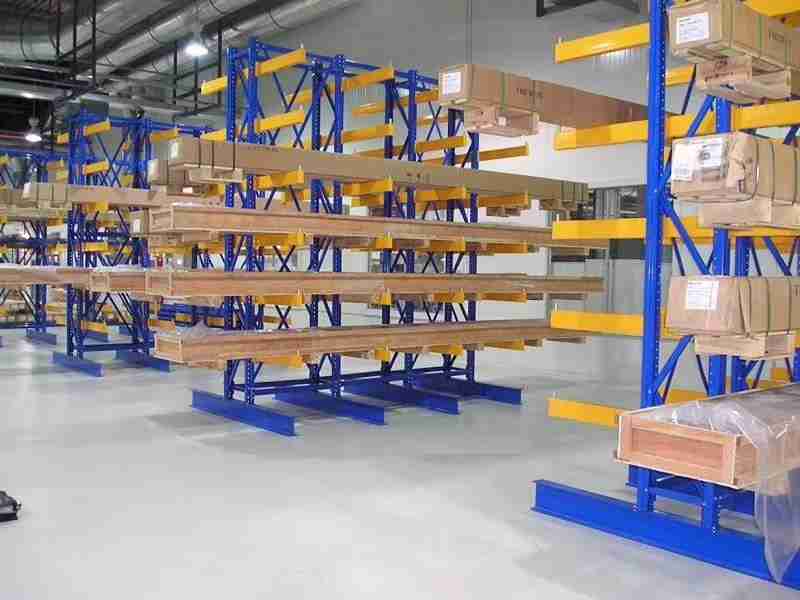
Kos Sistem Rak Perindustrian: Panduan Strategik untuk Mengoptimumkan Pelaburan Awal Anda
Bagi pengurus logistik, pengendali gudang, dan pemilik perniagaan, yang awal kos sistem rak industri sering menimbulkan halangan perbelanjaan modal yang ketara. Pelbagai pilihan, daripada rak ringkas hingga modul angkat menegak automatik sepenuhnya, mewujudkan landskap kewangan yang kompleks. Namun, pemimpin industri menyedari bahawa yang sebenar kos sistem rak industri Melangkaui jauh melebihi invois awal. Panduan komprehensif ini mengubah suai perbincangan daripada harga pembelian yang mudah kepada analisis pelaburan strategik.
Ia menggariskan tiga metodologi berkuasa untuk mengurus dengan bijak dan mengurangkan dengan ketara bayaran pendahuluan. kos sistem rak industri sambil membina infrastruktur penyimpanan yang boleh diskala, cekap, dan sedia untuk automasi. Dengan memprioritaskan falsafah reka bentuk modular, mengguna pakai peta jalan pelaksanaan berperingkat, dan membentuk perkongsian pembekal strategik, perniagaan boleh mengubah persepsi mereka tentang kos sistem rak industri daripada penghalang kepada keputusan perniagaan berasaskan nilai.
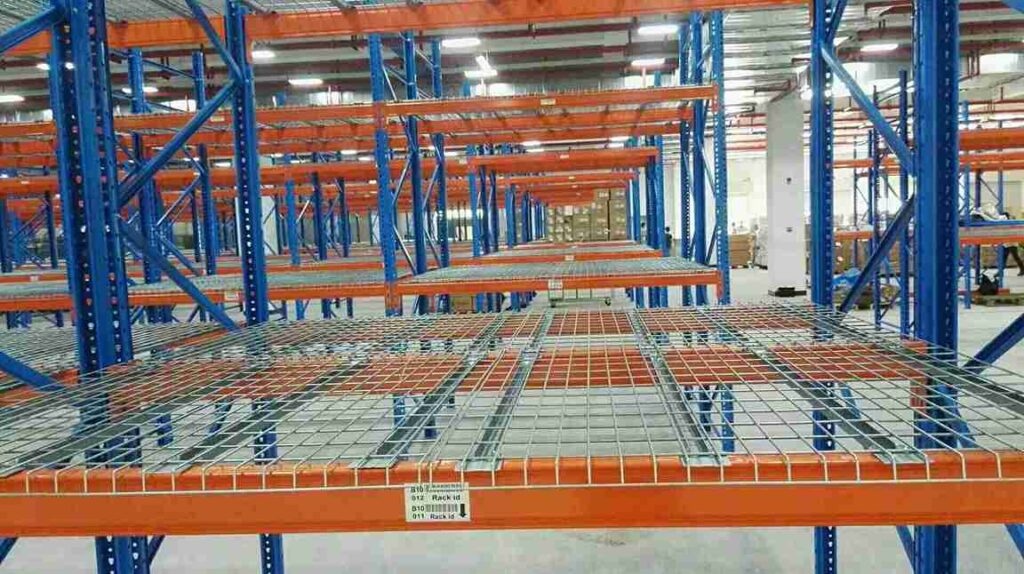
Mengapa Sebutharga Rak Industri Termurah Bisa Menjadi Kesilapan Paling Mahal Anda
Dalam pasaran global yang kompetitif, tekanan untuk meminimumkan perbelanjaan modal awal adalah amat besar. Apabila menilai cadangan, sebut harga yang jauh lebih rendah untuk satu kos sistem rak industri boleh menjadi sangat menarik. Namun, kelegaan kewangan jangka pendek ini sering kali mencetuskan tekanan operasi dan kewangan jangka panjang. Definitif kos sistem rak industri adalah metrik komposit yang merangkumi bukan sahaja perolehan tetapi juga pemasangan, penyelenggaraan, kecekapan operasi, dan jangka hayat keseluruhan.
Rendah secara zahir kos sistem rak industri mungkin menyembunyikan kompromi kritikal dalam kualiti bahan, ketelitian kejuruteraan, dan pematuhan keselamatan. Aloi keluli tidak mengikut piawaian, salutan pelindung yang tidak mencukupi, dan penyambung beam beban yang tidak mematuhi piawaian boleh menimbulkan risiko besar, termasuk kegagalan struktur, kerosakan inventori, dan kemalangan tempat kerja. Perbelanjaan susulan daripada kegagalan sedemikian—termasuk masa henti operasi, kenaikan premium insurans, dan liabiliti berpotensi—boleh melebihi penjimatan awal pada kos sistem rak industri. Oleh itu, penilaian yang canggih mengenai kos sistem rak industri mesti mengintegrasikan ketahanan sistem, pensijilan keselamatan, dan kebolehsuaian kepada teknologi masa depan.
Cara Pintar #1: Terima Falsafah Reka Bentuk Modular dan Skala
Strategi paling berkesan untuk mengawal inisial kos sistem rak industri adalah penerapan reka bentuk modular dan boleh diskala. Pendekatan ini secara langsung menangkis beban kewangan akibat pembinaan berlebihan atau pelaburan dalam struktur penyimpanan kaku dan monolitik yang tidak dapat berkembang bersama perniagaan.
Apakah Reka Bentuk Modular dalam Rak Industri?
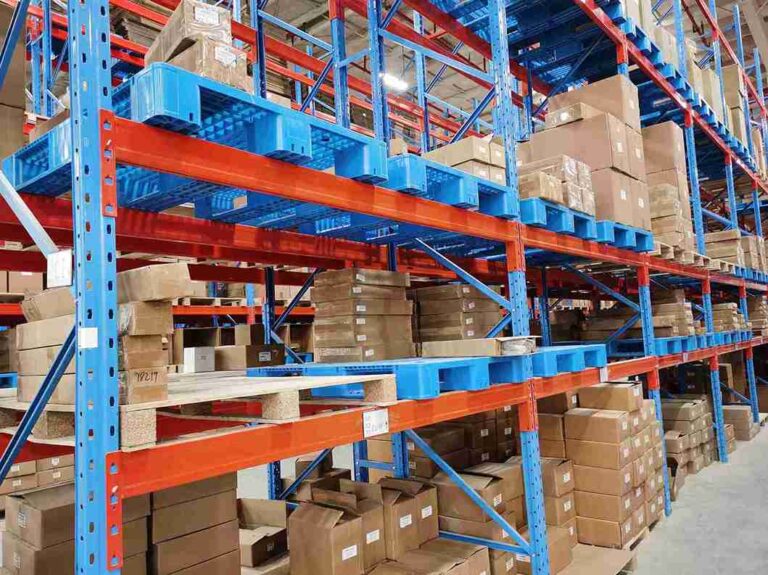
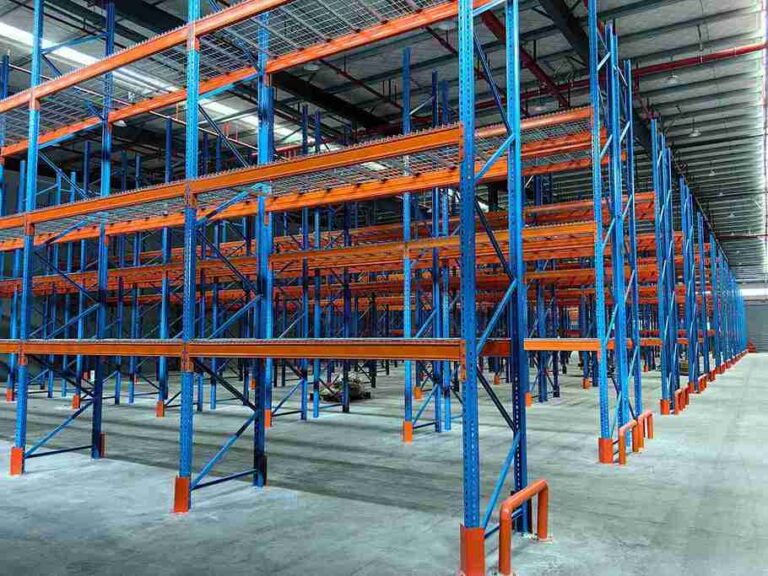
Sistem rak modular direka daripada komponen piawai yang saling berinteroperasi. Paradigma reka bentuk ini, yang diwakili oleh rak palet terpilih, membolehkan konfigurasi yang mudah diubah suai, diperluas, atau dipindahkan. Komponen asas—bingkai menegak, rasuk mendatar, penyokong, dan papan lantai—direka untuk menyatu dengan lancar, memudahkan model bayar mengikut pertumbuhan yang mengurus secara langsung fasa-fasa kos sistem rak industri.
Bagaimana modulariti secara langsung mengurangkan pelaburan awal anda
Peruntukan Modal Berfasa: Sistem modular membolehkan perniagaan menangani keperluan penyimpanan segera tanpa membiayai kapasiti akhir pada hari pertama. Pendekatan berperingkat ini kepada kos sistem rak industri menyelaraskannya dengan keperluan inventori sebenar dan aliran tunai, sekali gus mengurangkan perbelanjaan kewangan awal dengan ketara.
Penggunaan Ruang yang dioptimumkan: Dengan mengelakkan pembinaan berlebihan untuk keadaan masa depan hipotesis, sistem modular memastikan setiap dolar yang diperuntukkan kepada inisial kos sistem rak industri diterapkan untuk penyimpanan segera yang produktif. Ini menghapuskan kos tenggelam rak yang kurang dimanfaatkan, menjadikan yang berkesan kos sistem rak industri Setiap kedudukan palet lebih cekap sejak awal.
Kebolehsesuaian Operasi yang Ditingkatkan dan Persiapan untuk Masa Depan: Keperluan perniagaan adalah dinamik. Barisan produk berubah, dan fluktuasi bermusim menuntut kebolehsesuaian penyimpanan. Sistem modular membolehkan penyusunan semula susun atur penyimpanan secara kos efektif tanpa memerlukan satu sistem penyimpanan baharu sepenuhnya. kos sistem rak industri penganalisisan dan pelaburan. Fleksibiliti semula jadi ini melindungi nilai jangka panjang permulaan kos sistem rak industri.
Aplikasi Sebenar: Kuasa Rak Palet Pilihan
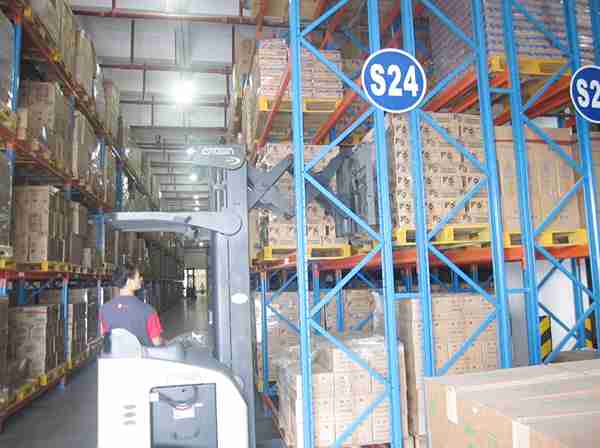
Rak palet terpilih mewakili penyelesaian modular unggul, menawarkan akses langsung ke setiap palet. Pembekal strategik tidak hanya akan memberikan sebut harga tetapi juga menyediakan pelan induk yang memvisualisasikan potensi keseluruhan fasiliti. Pelan ini memecahkan jumlah yang diunjur sepenuhnya kos sistem rak industri ke dalam fasa-fasa logik dan boleh diambil tindakan. Fasa 1 merangkumi keperluan segera, Fasa 2 menggariskan proses pengembangan, dan Fasa 3 mungkin memasukkan penyelesaian menegak seperti mezzanine. Perancangan strategik ini adalah cara perniagaan dapat secara berkesan Memotong kos awal sistem rak industri sambil membina asas untuk pertumbuhan masa depan yang lancar.
Cara Pintar #2: Melaksanakan Pendekatan Berfasa dengan Peta Jalan Automasi yang Jelas
Teknologi automasi, seperti Kenderaan Berpanduan Automatik (AGV) dan Sistem Penyimpanan dan Pengambilan Automatik (AS/RS), mewakili kemuncak kecekapan gudang. Walau bagaimanapun, persepsi kos permulaan yang tinggi kos sering menyebabkan pembuat keputusan menangguhkan pelaburan. Penyelesaian strategik ialah memisahkan asas daripada automasi, membina infrastruktur yang sedia untuk automasi sejak awal untuk mengagihkan jumlah keseluruhan kos sistem rak industri seiring berjalannya waktu.
Membina Gudang Anda Secara Berfasa
Pelaksanaan berperingkat mengurangkan risiko projek dan menyelaraskan kos sistem rak industri dengan pencapaian ROI yang nyata. Kaedah ini mengelakkan komitmen modal tunggal yang besar.
Fasa 1: Infrastruktur Teras dengan DNA Automasi: Fasa ini melibatkan pemasangan rak modular berkualiti tinggi, tetapi dengan spesifikasi kritikal untuk automasi masa depan. Ini termasuk penjajaran tepat, toleransi paras, dan profil rasuk khusus yang serasi dengan antara muka AGV. Walaupun ini mungkin sedikit meningkatkan Fasa 1 kos sistem rak industri Berbanding dengan pemasangan asas, ia mengelakkan kos penyesuaian semula yang melampau kemudian.
Fasa 2: Integrasi Automasi Mendatar: After the core racking is operational and generating efficiency gains, the business can introduce horizontal transport automation, such as AGV carts or conveyor systems. Because the racking was designed for this integration, the implementation is smoother, and the associated kos is predictable and contained.
Phase 3: High-Density & Vertical AS/RS Implementation: The final phase could involve integrating high-density systems like pallet shuttles or a full AS/RS into specific high-throughput zones. The phased master plan ensures this can be executed without operational disruption, making the final segment of the kos sistem rak industri a strategic investment in peak efficiency.
The Critical Role of AGV-Compatible Racking
The assumption that any racking can later support automation is a common and costly misconception. To justify the long-term kos sistem rak industri, the initial design must be AGV-ready. Key considerations include:
Precision Aisle Layout: The racking layout must provide mathematically precise aisle widths compatible with the AGV’s turning radius and guidance system, be it laser, vision, or inductive wire.
Dimensional Consistency and Load Beam Alignment: AGVs rely on millimeter-consistent pick-and-place points. The racking installation must be executed with engineering-grade accuracy to prevent load-handling errors and vehicle stalling, which would undermine the efficiency gains intended to justify the total kos sistem rak industri.
Structural Interface Specifications: The racking design must include features such as integrated guidance rails or specific clearances that allow AGVs to interact with the storage system seamlessly.
By proactively investing in an automation-ready racking system, a business avoids the prohibitive kos sistem rak industri of a full infrastructure replacement down the line.
Smart Way #3: Forge a Strategic Partnership, Not Just a Supplier Transaction
The selection of a storage solutions provider is the most influential variable in determining the final value derived from the kos sistem rak industri. A vendor focused on a single transaction has a fundamentally different objective than a partner invested in the client’s long-term operational success.
The Value of a True Storage Partner
A strategic partner conducts an in-depth needs analysis, examining SKU profiles, inventory velocity, and growth projections. This consultative approach ensures that the proposed kos sistem rak industri is aligned with actual operational requirements, preventing over-investment or under-specification. This partner will design a holistic solution that may integrate selective racking with cantilever racking for long loads, mobile pallet racking for space maximization, or a mezzanine floor to create new operational levels.
This integrated perspective often reveals synergies that reduce the overall kos sistem rak industri per stored unit. Furthermore, a partner provides lifecycle support, including scheduled inspections and maintenance, which protects the asset and extends its operational life, thereby improving the long-term return on the kos sistem rak industri.
Leveraging Your Partner’s Expertise for Cost-Saving Innovations
An expert partner brings a portfolio of advanced solutions that can positively redefine the kos sistem rak industri equation. For instance:
Rak Palet Mudah Alih: While the upfront kos sistem rak industri for a mobile system is higher than static shelving, the cost per pallet position is often lower, and it can double storage density, delivering massive savings on warehouse footprint and real estate expenses.
Mezzanine Floors: The kos of a mezzanine floor is typically a fraction of the cost of relocating to a larger facility. It effectively creates new space within the existing building envelope, deferring a much larger capital project and optimizing the overall kos sistem rak industri.
Integrated Automation Consulting: A partner with expertise in both racking and automated material handling can design a seamlessly integrated system from the outset. This prevents the compatibility issues, project delays, and cost overruns that are common when coordinating multiple vendors, ensuring a more predictable and justifiable total kos sistem rak industri.

Beyond the Racking: The Hidden Factors That Influence Total System Cost
A comprehensive budget for an kos sistem rak industri must account for several ancillary factors that, if overlooked, can lead to significant unforeseen expenses.
Site Preparation and Civil Works
The condition of the warehouse floor slab is a critical cost variable. An uneven floor may require grinding or shimming to ensure racking plumb and stability. More seriously, a slab with insufficient compressive strength for the proposed point loads will require costly reinforcement. A professional partner will always conduct a pre-installation site survey to identify these issues, ensuring the quoted kos sistem rak industri is accurate and comprehensive.
Installation Complexity and Labor
The complexity of the system is a primary driver of the installation portion of the kos sistem rak industri. A simple selective pallet racking layout is quicker and less labor-intensive to install than a dense drive-in racking system or a multi-level mezzanine. Regional variations in labor rates and availability also directly impact the final installed kos sistem rak industri.
Permits and Building Code Compliance
In most jurisdictions, an industrial racking system must comply with local building codes and often requires a permit. This process involves submitting engineering drawings stamped by a licensed professional engineer. A reputable supplier manages this process, ensuring compliance. This service, while sometimes adding to the initial kos sistem rak industri, is non-negotiable for ensuring safety and legal operation, protecting the business from far greater liabilities.
Case Study: Transforming a Distribution Center with a Phased, Modular Strategy
Background: A growing e-commerce fulfillment center was constrained by an inefficient, mixed storage environment comprising outdated racking and floor-stacked pallets. This led to slow order picking, a high error rate, and escalating labor costs. Management needed a new system but was concerned about the total kos sistem rak industri and the potential for operational disruption.
The Solution (A Synthesis of the Three Smart Ways):
Strategic Partnership and Master Planning: The project began with a detailed operational analysis. The solution was a master plan centered on modular selective pallet racking, designed for future AGV integration.
Phased Implementation to Manage Cash Flow: Phase 1 involved installing a new, high-density racking zone in a vacant area of the warehouse. This allowed operations to continue uninterrupted during construction. The kos sistem rak industri for Phase 1 was a manageable 40% of a full replacement quote.
Automation Roadmap Execution: With the new racking zone operational and demonstrating improved efficiency, the company is now executing Phase 2: integrating AGVs. The precision installation of the Phase 1 racking has made this integration seamless.
Results: The company successfully managed its kos sistem rak industri through phased investment. The initial expenditure was palatable, and the demonstrated ROI from Phase 1 funded the subsequent automation phase. Pick times improved by 35%, errors dropped by 90%, and the company possesses a scalable, modern storage infrastructure poised for continued growth.
Conclusion: Investing in Intelligence, Not Just Steel
The discourse surrounding kos sistem rak industri requires a paradigm shift. An obsessive focus on the lowest upfront price is a strategic error that can compromise operational integrity for years. The path to genuine value and a optimized kos sistem rak industri is through intelligent strategy: adopting a modular and scalable design, executing a phased implementation with a clear automation roadmap, and, most critically, selecting a strategic partner dedicated to operational excellence.
By embracing these principles, a business does not merely incur an kos sistem rak industri; it makes a strategic investment in a flexible, efficient, and scalable storage ecosystem that will drive productivity, ensure safety, and deliver a superior return on investment throughout its lifecycle. In the modern supply chain, the warehouse is a strategic asset, and its infrastructure should be funded with a corresponding level of strategic foresight.

Soalan Lazim (FAQs)
1. We have a very limited budget. Is used industrial racking a viable option to save costs?
While used racking appears to offer a lower initial kos sistem rak industri, it carries substantial risks. The history of the equipment is unknown—it may have been overloaded or damaged. It often lacks critical engineering certification, creating safety and liability exposures. Sourcing compatible parts for expansion is also challenging. For a guaranteed safe and long-lasting solution, a new, certified system typically offers a better lifetime value, making the total kos sistem rak industri more justified.
2. How does the cost of a mezzanine floor compare to relocating to a larger warehouse?
The kos of a mezzanine floor is almost invariably lower than the total kos of relocation. Relocation involves not only higher rent or a mortgage but also moving expenses, utility transfers, and profound operational downtime. A mezzanine capitalizes on unused vertical space within an existing facility for a predictable investment, making it a highly efficient way to manage the overall kos sistem rak industri and avoid larger real estate expenses.
3. What is the typical lead time for a custom industrial racking system?
Lead times are variable. For standard selective pallet racking, expect 4-8 weeks. More complex systems, such as mobile racking or AS/RS, can have lead times of 12-20 weeks or more, depending on customization and global supply chain conditions. A professional partner will provide a transparent timeline as part of the kos sistem rak industri proposal.
4. Can my existing warehouse floor slab support a new, heavy-duty racking system?
This is a critical engineering question. A professional core test and analysis by a structural engineer is essential before finalizing any kos sistem rak industri projection. This test determines the slab’s compressive strength and identifies if reinforcement is needed, preventing catastrophic failures and unplanned costs.
5. What kind of ongoing maintenance does an industrial racking system require?
A formal inspection program is crucial for protecting your investment. We recommend:
Weekly Visual Checks: By operational staff for obvious impacts or damage.
Annual Professional Inspections: Conducted by a qualified engineer to assess structural integrity, anchor bolts, and plumb.
Immediate Repair: Any damaged component must be replaced immediately with OEM parts to maintain the system’s engineered safety and protect the value of your kos sistem rak industri.
Selamat datang untuk menghubungi kami, jika anda memerlukan lukisan CAD rak gudang. Kami boleh menyediakan perancangan dan reka bentuk rak gudang secara percuma. Alamat e-mel kami ialah: jili@geelyracks.com