📐 "50 Soalan Perusahaan Pertama Dapatkan Rekaan Gudang 3D Tersuai" Rancangan
















Introduction
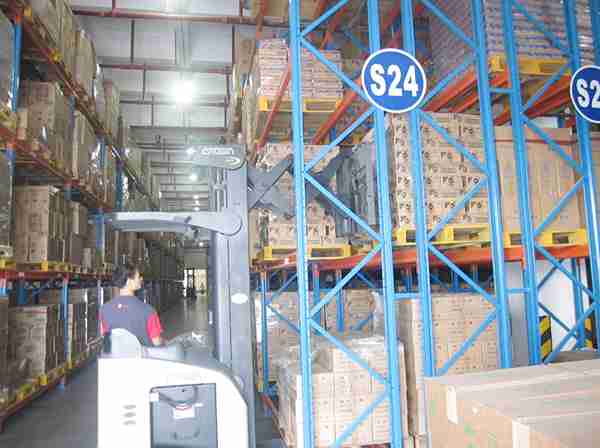
forklift clearance double deep rack,In high-density warehouse storage, forklift clearance in double deep racking is one of the most critical yet often overlooked factors. Unlike traditional selective racking, rakit dua tingkat mendalam requires precise forklift maneuvering, specialized equipment, and strict adherence to safety protocols. A single miscalculation in forklift clearance can lead to damaged inventory, rack collapse, or even serious workplace injuries.
This definitive guide dives deep into forklift clearance in double deep racking, providing warehouse managers, forklift operators, and logistics planners with actionable strategies to maximize storage density while ensuring safe, efficient operations. From aisle width calculations to advanced forklift selection, every aspect of forklift clearance in double deep racking is covered with real-world expertise.

1. Why Forklift Clearance in Double Deep Racking Demands Precision
1.1 The Unique Challenges of Double Deep Storage
Unlike single-deep setups, forklift clearance in double deep racking involves:
- Tighter maneuvering spaces – Forklifts must navigate narrower aisles while reaching deeper into racks.
- Blind spots when retrieving pallets – Operators often struggle with depth perception when accessing the second pallet position.
- Higher risk of rack collisions – Even minor errors in forklift clearance can bend beams or dislodge loads.
1.2 The Cost of Poor Forklift Clearance Management
- Rack damage – Misaligned forks can strike uprights, leading to costly repairs.
- Product loss – Collapsed loads due to improper forklift clearance result in damaged goods.
- Operational delays – Accidents force shutdowns for inspections and repairs.
2. Calculating the Perfect Aisle Width for Forklift Clearance in Double Deep Racking
2.1 The Science Behind Aisle Width Optimization
The ideal forklift clearance in double deep racking depends on three key factors:
- Forklift type (reach truck vs. turret truck vs. counterbalance)
- Pallet dimensions (standard 48×40″ vs. oversized loads)
- Turning radius (how much space the forklift needs to pivot)
2.2 Industry-Standard Aisle Widths for Double Deep Racking
| Forklift Type | Minimum Aisle Width | Optimal Clearance for Safe Operation |
|---|---|---|
| Standard Reach Truck | 96–108 inches (2.4–2.7 m) | 120 inches (3 m) for comfortable forklift clearance |
| Narrow Aisle Reach | 84–96 inches (2.1–2.4 m) | 108 inches (2.7 m) for smooth operation |
| Double Deep Forklift | 108–120 inches (2.7–3 m) | 132 inches (3.3 m) for maximum safety |
Pro Tip: Always add 6–12 inches (15–30 cm) of buffer space beyond minimum forklift clearance requirements to account for human error.
3. Selecting the Right Forklift for Optimal Clearance in Double Deep Racking
3.1 Why Standard Forklifts Fail in Double Deep Setups
Most warehouses make the mistake of using counterbalance forklifts in rakit dua tingkat mendalam, leading to:
- Excessive aisle width requirements (up to 13–15 ft)
- Difficulty in reaching second pallets without extended forks
- Higher risk of rack collisions due to poor maneuverability
3.2 The Best Forklifts for Double Deep Racking Clearance
3.2.1 Reach Trucks – The Gold Standard
- Extended fork reach (up to 120 inches) for deep access
- Tighter turning radius for navigating narrow aisles
- Integrated cameras to improve visibility in rakit dua tingkat mendalam
3.2.2 Double Deep Forklifts – Specialized for High-Density Storage
- Dual telescoping forks for precise second-pallet retrieval
- Laser-guided positioning to maintain perfect forklift clearance
- Side-shift functionality for micro-adjustments
Case Study: A major 3PL provider reduced rack damage by 62% after switching to double deep forklifts with laser-assisted forklift clearance systems.
4. Advanced Forklift Operator Training for Double Deep Clearance
4.1 Why Standard Forklift Certification Isn’t Enough
Most OSHA forklift training programs don’t cover the unique challenges of forklift clearance in double deep racking. Operators need specialized skills in:
- Blind spot management when retrieving rear pallets
- Fork extension techniques to prevent rack strikes
- Load stability assessment for deep-stored pallets
4.2 Hands-On Training Drills for Perfect Clearance
- The Depth Perception Challenge – Operators practice retrieving pallets with obscured sightlines.
- The Millimeter Game – Scoring operators on how closely they can approach racks without contact.
- Emergency Stop Scenarios – Simulating sudden obstacles in narrow aisles.
“After implementing these drills, our warehouse saw a 45% drop in forklift clearance incidents.” – Warehouse Safety Manager, Fortune 500 Retailer
5. Warehouse Layout Hacks to Maximize Forklift Clearance Efficiency
5.1 The 10% Rule for Aisle Width Planning
Always design aisles 10% wider than your forklift’s minimum turning radius. This buffer zone:
- Compensates for slight operator errors
- Allows safer pedestrian passage
- Accommodates occasional oversized loads
5.2 Smart Rack Configuration Strategies
- Staggered pallet positioning to create natural forklift clearance guides
- Color-coded floor markings indicating safe stopping points
- Angled rack entries (where possible) for smoother forklift approach
6. Cutting-Edge Technologies Revolutionizing Forklift Clearance
6.1 AI-Powered Collision Avoidance Systems
New sensor arrays can:
- Detect forklift clearance violations in real-time
- Automatically apply brakes when approaching racking too closely
- Generate heat maps of near-miss incidents for continuous improvement
6.2 Augmented Reality (AR) Forklift Guidance
- Projects optimal forklift clearance paths onto operator windshields
- Highlights potential blind spots during deep rack retrieval
- Reduces training time for new operators by 40%
7. Maintenance Protocols to Ensure Consistent Forklift Clearance Performance
7.1 Daily Forklift Inspection Checklist for Double Deep Operations
- Fork alignment verification (even 1/4″ misalignment can cause rack strikes)
- Mast chain lubrication to prevent jerky movements during precise positioning
- Camera/sensor calibration for clearance monitoring systems
7.2 Quarterly Racking Integrity Audits
Use laser measurement tools to check for:
- Beam deflection from repeated forklift clearance violations
- Upright plumb variance (shouldn’t exceed 1/8″ per 10 ft of height)
- Anchor bolt torque to prevent rack sway during operations
8. The Future of Forklift Clearance in Double Deep Racking
Emerging trends that will redefine standards:
- Autonomous forklifts with millimeter-precision clearance algorithms
- Dynamic racking systems that automatically adjust spacing based on forklift approach
- Analitik ramalan to forecast forklift clearance risks before they occur
Conclusion: Mastering Forklift Clearance for Next-Level Warehouse Performance
Optimizing forklift clearance in double deep racking isn’t just about preventing accidents—it’s a strategic advantage. Warehouses that implement these precision clearance techniques typically see:
✅30–50% reduction in rack damage costs
✅20% faster pallet retrieval times
✅Near-elimination of clearance-related downtime
By combining the right equipment, trained operators, and smart warehouse design, businesses can fully leverage the space-saving benefits of rakit dua tingkat mendalam without compromising safety or efficiency.
Frequently Asked Questions (FAQs)
1. What’s the most common forklift clearance mistake in double deep racking?
Partial fork retraction during pallet retrieval causes 73% of rack strikes in double deep systems.
2. Can we retrofit our existing forklifts for better double deep clearance?
Yes, adding fork positionersdan dan3D cameras can significantly improve forklift clearance precision.
3. How often should we retrain operators on double deep clearance protocols?
Bi-annual refresher courses are recommended, with additional training after any clearance incident.
4. What’s the ROI on investing in double deep-specific forklifts?
Most warehouses recoup costs within 18 months through reduced damage and increased storage density.
5. Are there insurance discounts for implementing advanced clearance systems?
Many providers offer 5–15% premium reductions for warehouses with laser-guided forklift clearance solutions.