📐 "Le prime 50 richieste aziendali ricevono un design personalizzato del magazzino 3D". Piano















The Ultimate Guide to Automated Storage and Retrieval System Design Standards
Executive Summary
Automated Storage and Retrieval System engineering represents one of the most sophisticated and financially consequential disciplines in modern supply chain infrastructure. When warehouse professionals, facility engineers, and supply chain executives examine the comprehensive framework established by international design standards—from GB/T specifications to EN 15512, EN 16681, ANSI MH16.1, and JIS B 8942—they uncover a meticulously structured field that demands precision at every level of planning and execution.
This guide provides an authoritative, standards-based exploration of Automated Storage and Retrieval System design principles, drawing upon decades of industry experience and the latest technological advancements. The global Automated Storage and Retrieval System market was valued at approximately USD 10.51 billion in 2025 and is projected to reach USD 16.99 billion by 2031, growing at a compound annual growth rate of 8.34%. This remarkable growth trajectory underscores the urgent need for comprehensive understanding of Automated Storage and Retrieval System design standards among industry professionals.
Whether one is planning a greenfield automated distribution center or retrofitting an existing facility with Automated Storage and Retrieval System technology, understanding these design standards is not merely a compliance exercise—it is the foundation upon which operational excellence, workplace safety, and long-term return on investment are built. The Automated Storage and Retrieval System has evolved from a niche automation solution into a mainstream requirement for competitive warehousing operations, and the standards that govern its design continue to evolve alongside technological innovation.
H1: Understanding the Fundamental Architecture of Automated Stereo Warehouses
H2: What Defines an Automated Stereo Warehouse?
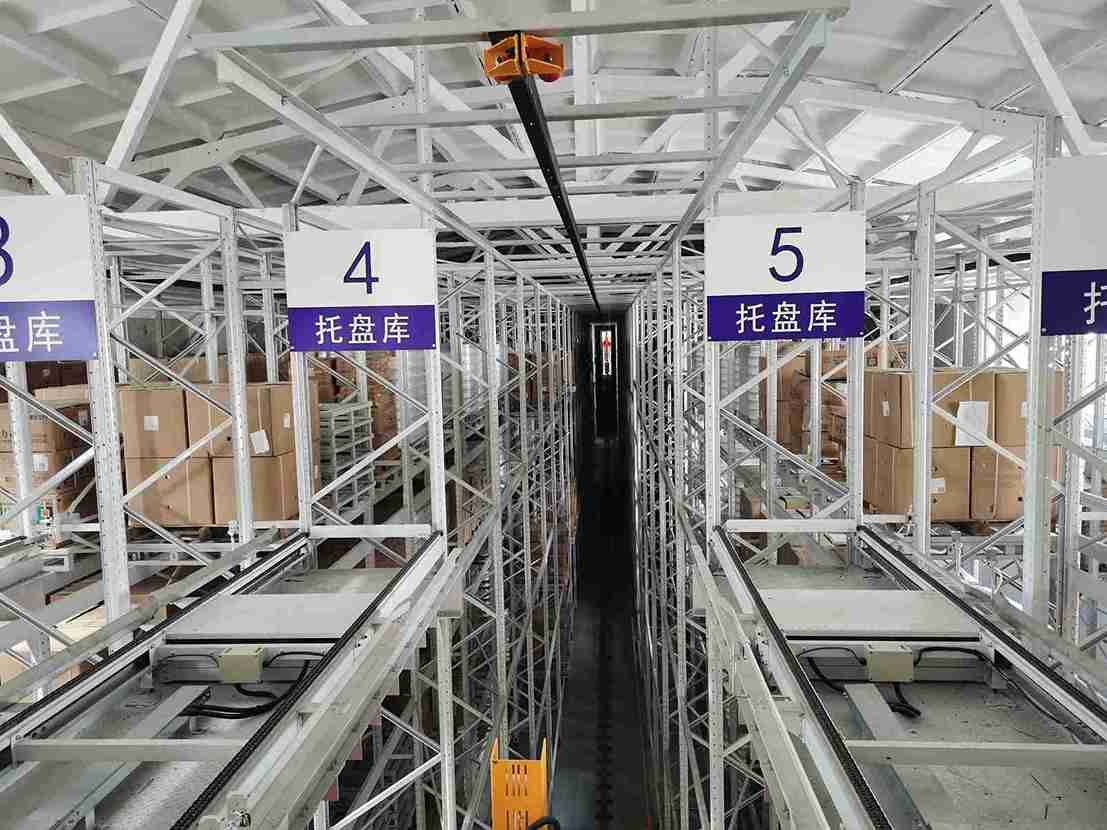
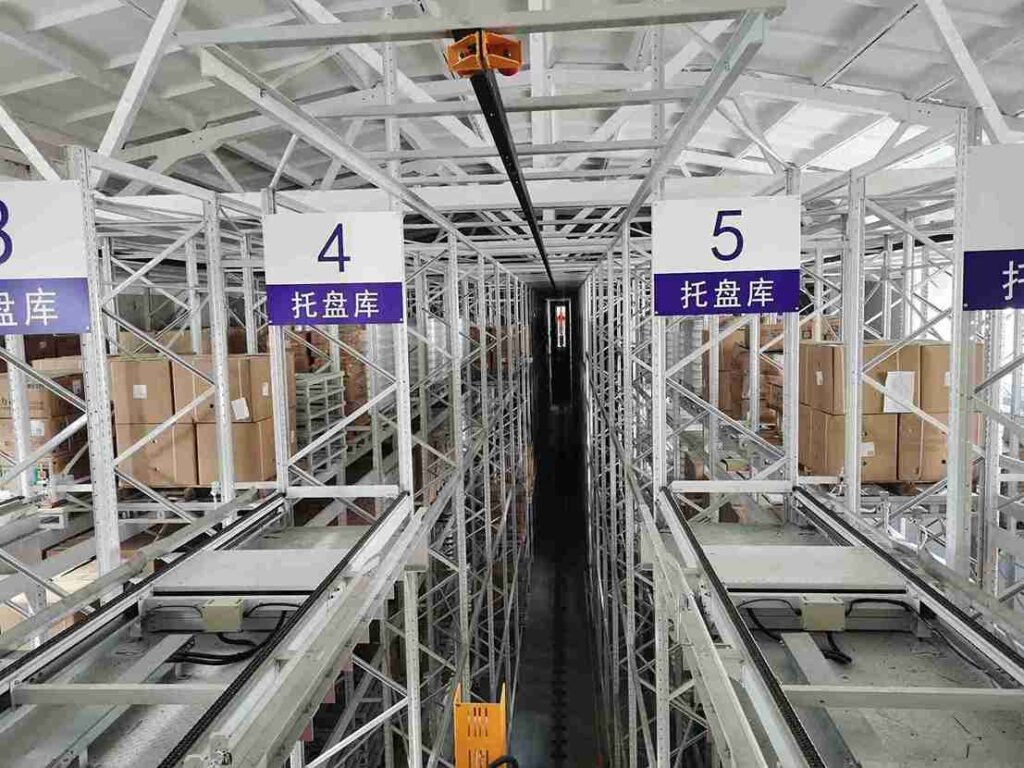
Un automated stereo warehouse—more formally known as an Automated Storage and Retrieval System (AS/RS)—is defined as a warehouse facility that utilizes steel structure racking, stacker cranes (S/R machines), and automated material handling equipment to store and retrieve unit loads with minimal human intervention. These systems represent the pinnacle of high-density storage technology, enabling facilities to maximize vertical space utilization while maintaining precise inventory control and rapid throughput capabilities. An Automated Storage and Retrieval System typically comprises steel structure racks, stacker cranes that operate in a Cartesian coordinate system, and a warehouse management system that orchestrates all automated activities.
The fundamental architecture of an Automated Storage and Retrieval System revolves around three core components: the steel rack structure that provides the storage medium, the stacker crane that travels along aisles to perform storage and retrieval operations, and the warehouse management system that coordinates all automated activities. The interaction between these elements, governed by rigorous design standards, determines the system’s performance, reliability, and safety profile. A well-designed Automated Storage and Retrieval System can achieve storage densities up to 75% greater than conventional warehouses, reduce labor requirements by 40% or more, and double processing capacity without expanding floor space.
H2: The Distinction Between Integral and Separate Rack Structures
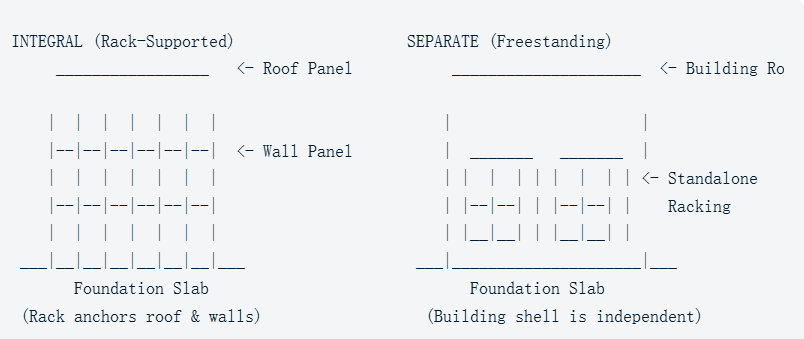
One of the most critical design decisions in Automated Storage and Retrieval System planning involves choosing between integral and separate rack configurations. Understanding this distinction is fundamental to proper facility design and can significantly impact both capital costs and operational performance.
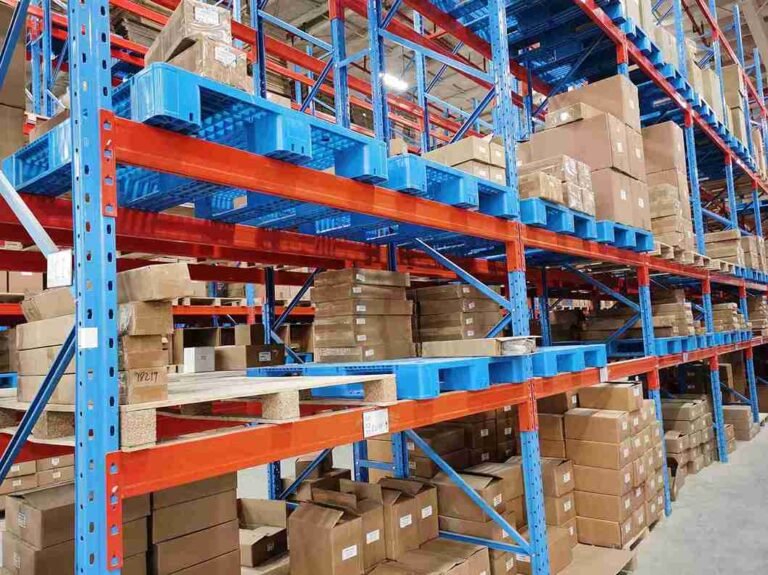
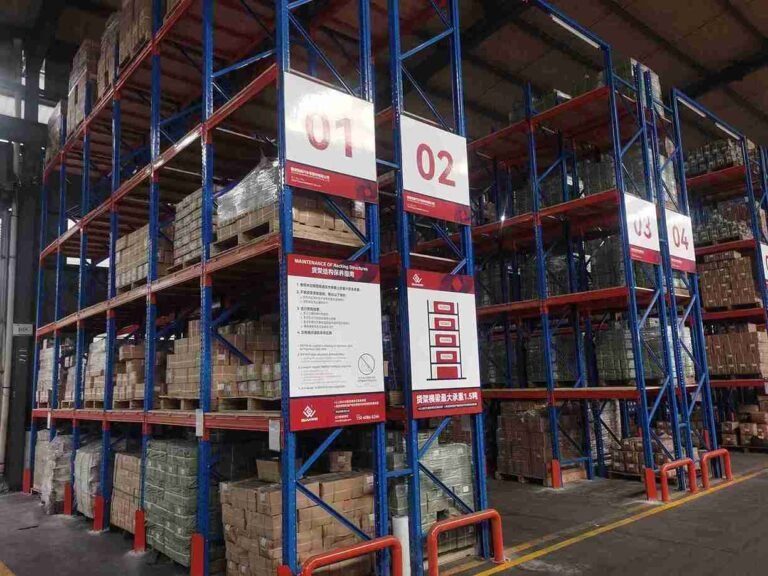
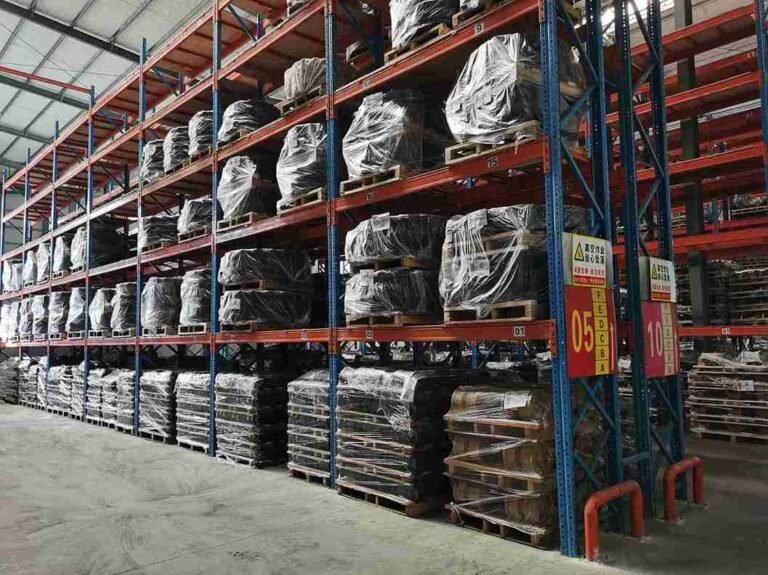
Integral rack structures serve a dual purpose: they support both the stored goods and the building’s structural loads, including roofing, walls, and environmental loads. In these systems, the rack itself becomes the primary structural framework of the warehouse. This approach offers significant advantages in terms of material efficiency and space utilization, as the rack structure eliminates the need for separate building columns and foundations. However, integral designs demand more complex engineering analysis, as the rack must satisfy both storage and building code requirements simultaneously. The Automated Storage and Retrieval System with integral racking requires careful coordination between structural engineers, architects, and automation specialists from the earliest design phases.
Separate rack structures, by contrast, bear only the weight of the stored goods and are entirely independent of the building’s structural system. The warehouse building provides the environmental enclosure, while the rack system stands independently within it. This configuration offers greater design flexibility and simplifies structural certification, though it typically requires more floor space due to the additional clearance needed between the rack and building envelope. Many Automated Storage and Retrieval System projects choose separate racking for retrofit applications where existing building structures cannot accommodate the loads of an integral system.
H1: The Regulatory Framework: Standards That Govern ASRS Design
H2: International Standards Landscape
The design of automated stereo warehouses is governed by a complex web of international, regional, and national standards. Understanding this regulatory landscape is essential for ensuring compliance, safety, and interoperability. Any Automated Storage and Retrieval System project must navigate this multifaceted standards environment to achieve regulatory approval and operational success.
European Standards (EN) provide one of the most comprehensive frameworks for Automated Storage and Retrieval System design. EN 15512 specifies structural design requirements for adjustable pallet racking systems, addressing everything from material selection to load calculations. EN 16681 addresses seismic design principles for steel static storage systems, a critical consideration in earthquake-prone regions. EN 528 establishes safety requirements for rail-dependent storage and retrieval equipment, covering all significant hazards associated with S/R machines. These European standards have been widely adopted as reference documents for Automated Storage and Retrieval System projects worldwide.
American standards offer equally rigorous guidance for Automated Storage and Retrieval System design. The ANSI MH16.1 standard, developed by the Material Handling Industry (MHI), specifies minimum requirements for the structural design, testing, and utilization of industrial steel storage racks, including systems associated with automated storage and retrieval systems. This standard employs both Allowable Strength Design (ASD) and Load and Resistance Factor Design (LRFD) methodologies. The ASME B30.13 specification addresses storage and retrieval machine safety requirements, while the Federation Europeenne de la Manutention (FEM) standards provide additional guidance on Automated Storage and Retrieval System design and operation.
German standards through the VDI/VDE society provide systematic approaches to automation system design. VDI/VDE 3694 establishes framework for system requirement specification and planning, while VDI 2221 addresses the design of technical products and systems. These standards emphasize structured, methodical approaches to Automated Storage and Retrieval System project execution.
H2: Chinese National Standards for Stereo Warehouse Design
The GB/T (Guobiao) standards form the backbone of Automated Storage and Retrieval System design in China. The Automated Stereo Warehouse Design Specification establishes comprehensive requirements across multiple domains that any Automated Storage and Retrieval System project in China must satisfy:
Unit load specifications define the dimensions, weights, and handling characteristics of the goods stored within the Automated Storage and Retrieval System
Rack structure requirements address material specifications (GB/T 700 for carbon structural steel), structural design principles (GB 50017), and cold-formed steel technology (GB 50018)
Stacker crane specifications reference JB/T 2960 for type and basic parameters, JB/T 7016 for technical requirements, and JB/T 11269 for safety requirements
Building integration addresses fire protection (GB 50016), structural loads (GB 50009), and installation tolerances
The standard also references JIS B 8942 from Japan, which provides general rules for Automated Storage and Retrieval System design, further demonstrating the international consensus on fundamental ASRS design principles. JB/T 9018-2011 specifies the basic design requirements for the Automated Storage and Retrieval System unit-goods consisted of steel structure rack. CSA S345-2023 provides additional guidance applicable to automated storage and retrieval system racks.
H1: Rack Structure Design: The Skeletal Framework of Automated Storage
H2: Structural Design Principles
Rack structures in automated warehouses must withstand not only the static loads of stored goods but also dynamic forces generated by automated equipment operation. The design process for any Automated Storage and Retrieval System begins with comprehensive load analysis:
Static loads include the weight of stored unit loads, the dead weight of rack components, and any permanently attached equipment. These loads must be carefully calculated based on the specific unit loads the Automated Storage and Retrieval System will handle. Carichi dinamici arise from stacker crane operations, shuttle movements, and the acceleration and deceleration of automated vehicles. These loads can be substantial, particularly in high-speed Automated Storage and Retrieval System configurations. Environmental loads encompass wind forces, snow accumulation (for integral structures), and—critically—seismic forces nelle regioni a rischio sismico.
The structural design of heavy-duty racking follows principles established in standards like EN 15512 and Eurocode 3, incorporating safety factors that typically include a material factor of 1.1 rather than 1.0 to account for uncertainties in material properties and manufacturing tolerances. RMI’s ANSI MHI16.1 standard notes that the rack’s design must accommodate not only the normal storage rack loads but also the additional demands imposed by automation equipment. The International Building Code references ANSI MHI16.1 as the standard for safe design and installation of steel storage racks, giving it regulatory weight in many jurisdictions.
H2: Material Selection and Component Design
Moderno Automated Storage and Retrieval System racking typically employs cold-formed structural steel, though hot-rolled steel may be specified for extremely high loads. Common steel grades range from S235 to S355, with S420 used in specialized applications requiring exceptional strength-to-weight ratios. The material selection directly impacts the Automated Storage and Retrieval System‘s load capacity, durability, and cost.
Upright columns utilize perforated profiles—often omega or box sections—with hole pitches of 50 mm or 75 mm to enable flexible beam positioning. These perforations accommodate beam connectors while maintaining structural integrity under compression and bending loads. The column design must account for the specific load requirements of the Automated Storage and Retrieval System, including both static and dynamic loads.
Horizontal beams consist of box or double-U profiles with welded hook connectors. Beam design must account for deflection limits, as excessive deflection can impair automation system performance. Typical deflection limits are approximately L/200 (10 to 15 mm), with stricter L/300 limits commonly specified in high-bay warehouses with stacker cranes. These tight tolerances are essential for reliable Automated Storage and Retrieval System operation.
Connections represent critical failure points in rack structures. Safety pins prevent unintentional beam dislodgement, bolted frames and diagonals form rigid truss systems, and base plates with floor anchors (minimum one to two anchors per upright) transfer loads safely to the foundation. Connection design must be carefully considered in any Automated Storage and Retrieval System project to ensure long-term structural integrity.
H2: Seismic Design Considerations
Seismic design presents perhaps the greatest structural challenge in Automated Storage and Retrieval System engineering. Automated rack-supported warehouses have historically lacked specific regulatory frameworks, leading engineers to adapt guidelines developed for traditional steel racks. Modern Automated Storage and Retrieval System designs in seismic zones must incorporate sophisticated engineering solutions to ensure safety and operational continuity.
Current practice typically follows EN 16681 for seismic design principles, supplemented by EN 1998 for building seismic actions. Key seismic design strategies for Automated Storage and Retrieval System facilities include:
Controventatura aggiuntiva to enhance lateral stability during earthquake events
Stronger floor anchors capable of withstanding high tensile and shear forces
Rapporti ridotti tra altezza e profondità—typically 4:1 in seismic zones compared to 6:1 for free-standing racks in non-seismic areas
Dynamic calculations with increased safety factors as required by EN 16681
Leading Automated Storage and Retrieval System manufacturers offer seismic-resistant, moment-resisting reinforcements that provide the strength and flexibility to evenly distribute seismic forces and absorb energy without collapsing. These systems are designed to absorb seismic shock and get operations back online faster. Some suppliers offer seismic-control solutions incorporating seismic damping components that convert collision energy to heat. Advanced Automated Storage and Retrieval System installations may include seismographs that detect significant tremors and trigger protective responses, with warehouse management systems limiting location assignment for unstable loads to only lower levels, reducing the risk of falling during earthquakes.
Research has shown that the lack of codified standards for rack-supported warehouse design has historically forced reliance on personal experience and commonly accepted rules. However, recent advances in seismic design methodology—including dissipative behavior approaches that evaluate yielding patterns as alternatives to global collapse mechanisms—are improving the safety and cost-effectiveness of Automated Storage and Retrieval System structures in seismic regions. The racking structure in an Automated Storage and Retrieval System can be altered for seismic performance by adjusting the distribution of loads, which differs from other building structures with uncertain load distribution.
H1: Stacker Crane Design and Specification
H2: Types and Configurations
Stacker cranes are the workhorses of automated stereo warehouses, traversing aisles to perform storage and retrieval operations. The design specification of these machines must align with the operational requirements of the facility. In any Automated Storage and Retrieval System, the stacker crane represents the single most critical piece of equipment, and its specification determines the system’s throughput capacity, reliability, and long-term operating costs.
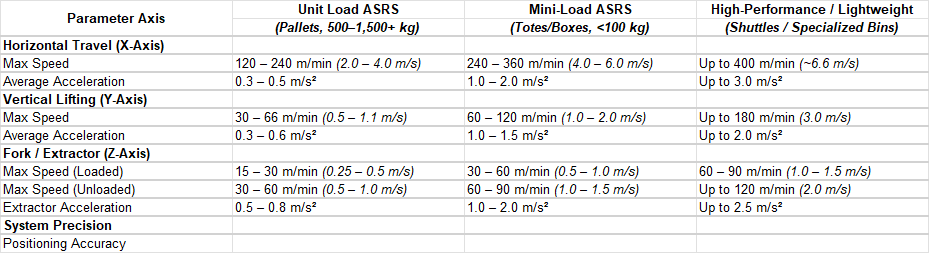
Unit-load stacker cranes handle full pallet loads, with rated capacities conforming to standard series: 0.1, 0.25, 0.5, 1.0, 1.6, and 2.0 tons. For loads exceeding 2 tons, capacities must comply with GB/T 783 series. These unit-load systems are the most common configuration for high-volume Automated Storage and Retrieval System applications in distribution centers and manufacturing facilities.
Mini-load systems handle smaller unit loads such as totes or cartons, typically employing lighter-duty construction and higher operational speeds. These systems are often used in e-commerce fulfillment centers where the Automated Storage and Retrieval System must handle a high volume of small items with rapid throughput.
Order-picking stacker cranes incorporate operator platforms, enabling personnel to ride with the machine for manual picking operations. These configurations demand additional safety considerations, including guardrails and emergency stop controls. The stacker crane is not merely a component but the defining heartbeat of any high-performance Automated Storage and Retrieval System.
In a stacker-crane Automated Storage and Retrieval System, a tall crane runs in an aisle, handling pallets vertically and horizontally. Stacker-crane Automated Storage and Retrieval System scores highest on pure throughput and density due to fast vertical travel and direct rack access, making it the fit for multi-shift operations. Stacker cranes typically win where large pallets and steady slotting dominate. Recent innovations include shuttle stacker crane storage systems that represent a highly engineered hybrid Automated Storage and Retrieval System architecture fusing vertical lifting dominance with multi-deep density.
H2: Speed and Performance Parameters
Stacker crane performance is defined by three primary velocity parameters that determine the throughput capacity of any Automated Storage and Retrieval System:
Horizontal travel speed (vk) ranges from 25 to 250 meters per minute, with standard values including 25, 31.5, 40, 50, 63, 80, 100, 125, 160, 180, 200, and 250 m/min. Higher horizontal speeds reduce cycle times but increase energy consumption and mechanical wear.
Lifting speed (vn) spans 6.3 to 80 meters per minute, with standard increments including 6.3, 8, 10, 12.5, 16, 20, 25, 31.5, 40, 50, 63, and 80 m/min. The lifting speed is particularly important in high-bay Automated Storage and Retrieval System configurations where vertical travel distances are substantial.
Fork extension speed (v) covers 5 to 50 meters per minute. This speed affects the time required to deposit and retrieve loads from storage positions.
The selection of appropriate speeds requires careful balancing of throughput requirements against acceleration/deceleration limitations. Average acceleration rates are constrained by load stability considerations: for loads prone to spillage or where operators ride the machine, acceleration must not exceed 0.5 m/s²; for stable loads such as boxed pallets, up to 1.0 m/s² is permissible. These acceleration limits are critical for ensuring safe Automated Storage and Retrieval System operation.
H2: Design Life and Duty Cycles
The structural design of stacker cranes must account for fatigue loading over the machine’s operational life. Where specific usage conditions are known, the design cycle count should reflect actual operational expectations. Where conditions are unspecified, a design cycle count of 5 × 10⁵ (500,000 cycles) serves as the standard benchmark, from which individual mechanism duty cycles are derived. This design life calculation is essential for ensuring long-term reliability of the Automated Storage and Retrieval System.
Load coefficients for stress calculations must comply with GB/T 3811—2008 , ensuring that the crane structure can withstand the cumulative effects of repeated loading over its design life. These coefficients account for the dynamic nature of Automated Storage and Retrieval System operations and the fatigue effects of millions of cycles.
H2: Control Systems and Human-Machine Interface
Modern stacker crane control systems must provide intuitive, safe, and ergonomic operator interfaces. Control panel heights must accommodate operator posture: seated operators require panel heights of 600 to 900 mm, while standing operators require 1100 to 1300 mm for horizontal or inclined panels, and 1300 to 1600 mm for vertical panels measured to the panel center. These ergonomic considerations are essential for operator safety and productivity in Automated Storage and Retrieval System facilities.
Directional controls must be clearly labeled and logically arranged. From the operator’s perspective facing the control panel:
X-axis (aisle direction) controls forward and reverse movement
Y-axis (vertical direction) controls raising and lowering
Z-axis (perpendicular to the aisle) controls left and right fork extension
Emergency stop provisions are mandatory: a red mushroom-head pushbutton must be installed on the operator’s right side, providing immediate access to total power cutoff in emergency situations. Modern stacker cranes in Automated Storage and Retrieval System installations are built on open-control platforms, ready to integrate with emerging technologies like artificial intelligence for predictive maintenance.
H1: Facility and Building Integration
H2: Dimensional Planning and Layout
Proper facility design begins with precise dimensional planning. Integral rack warehouses utilize comprehensive dimensional nomenclature that must be carefully coordinated during Automated Storage and Retrieval System design:
L: total warehouse length
Lr: total rack length
Lc1: empty length at the input/output end
Lc2: empty length at the non-input/output end
B1: total width at input/output end
B2: total width at non-input/output end
B3: total rack width
H: total warehouse height
P: track gauge
Separate rack warehouses employ distinct dimensional parameters that affect Automated Storage and Retrieval System layout:
Lm: total rack length
B1: total rack width
H1: total rack height
P: track gauge
When designing an Automated Storage and Retrieval System layout, facility planners must assess structural requirements, ceiling height, and floor load capacity. Integrating the Automated Storage and Retrieval System with the warehouse management system is essential for operational success. Analyzing throughput needs by profiling pick rates and SKU diversity ensures the chosen Automated Storage and Retrieval System matches operational demand.
H2: Foundation and Settlement Control
Perhaps no aspect of Automated Storage and Retrieval System facility design is more critical—or more frequently underestimated—than foundation design and settlement control. Automated warehouses rely on precise geometric relationships between racks, rails, and moving equipment. Even minor foundation settlement can render a multi-million-dollar Automated Storage and Retrieval System inoperable.
Settlement tolerance requirements are exceptionally stringent. Under maximum working loads, the local inclination (tan α) of foundation bearing plates or beams must not exceed 1/2000. For a 20-meter-high rack structure, a 5 mm differential settlement at the foundation can translate to 15 to 20 mm of horizontal displacement at the top—far exceeding the ±3 mm per 3 meters and 10 mm overall tolerance typically required for stacker crane guide rails. These tight tolerances are essential for reliable Automated Storage and Retrieval System operation.
Pre-installation surface preparation demands similar precision. The overall flatness tolerance of rack and rail installation surfaces must be:
±10 mm for dimensions up to 50 meters
±15 mm for dimensions between 50 and 150 meters
±20 mm for dimensions exceeding 150 meters
Local flatness must be within 4 mm over any 2-meter measurement span. These tolerances explain why Automated Storage and Retrieval System projects often require specialized foundation solutions, including stone build-ups, ground improvement techniques, or piled foundations to achieve the required settlement control.
H2: Clearance and Access Requirements
Proper clearances ensure safe operation and maintenance access for the Automated Storage and Retrieval System. The following minimum clearances are standard:
At horizontal travel endpoints, when the stacker crane is against the buffer stop in compressed state, the minimum distance from the machine’s outermost point to the building structure must exceed 500 mm
Between rack top and roof structure in separate rack systems, a minimum of 300 mm clearance must be maintained to accommodate installation and service access
Lateral clearance between the stacker crane and rack columns or stored goods along the aisle width should range from 50 mm to 100 mm, with an absolute minimum of 50 mm
H2: Environmental and Utility Systems
Automated Storage and Retrieval System facilities must incorporate appropriate environmental controls and utility systems:
Lighting must provide adequate illumination for both automated operations and manual intervention activities. Standards for warehouse lighting should be followed to ensure safety and operational efficiency.
HVAC systems may be required depending on the stored commodities. Temperature-sensitive goods demand climate-controlled environments, while ambient storage may suffice for non-sensitive materials. The environmental control requirements directly impact the Automated Storage and Retrieval System design and operating costs.
Utility connections must accommodate stacker crane power supply systems, which typically employ either moving cable reels or conductor bars (滑触线). These systems must be designed to provide reliable power distribution throughout the machine’s travel range. The utility infrastructure must be carefully planned during Automated Storage and Retrieval System design to ensure reliable operation.
H1: Fire Protection in Automated Stereo Warehouses
H2: Unique Fire Risks in ASRS Facilities
Automated warehouses present unique fire protection challenges that distinguish them from conventional storage facilities. These challenges arise from several factors that any Automated Storage and Retrieval System project must address:
High storage densities concentrate combustible materials in compact volumes
Greater storage heights increase fire intensity and complicate suppression efforts
Limited firefighter access due to narrow aisles and automated equipment
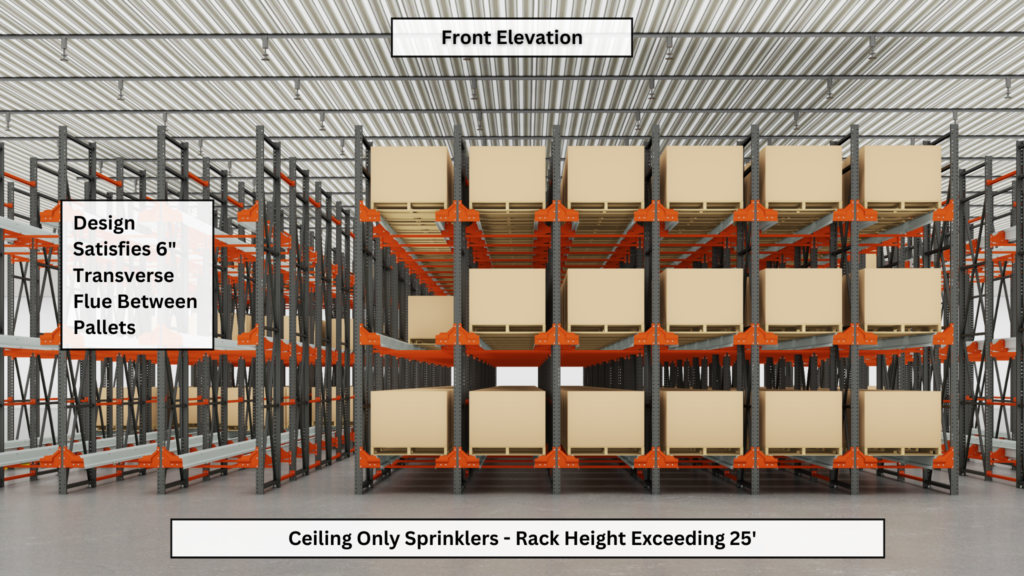
Tightly packed racking with minimal or no longitudinal flue spaces for in-rack sprinklers
Extensive use of plastic containers and other combustible materials
These factors complicate sprinkler placement and water distribution, making conventional prescriptive fire protection designs less effective for Automated Storage and Retrieval System facilities. Warehouses utilizing automatic storage and retrieval systems are widely accepted as a challenging fire scenario because of the taller heights and concentrated storage of goods.
The scale of the risk is substantial. According to NFPA research, U.S. fire departments respond to an estimated average of 1,450 structure fires in warehouse properties annually, causing an average of two fatalities and 16 civilian injuries per year, with annual direct property damage averaging $283 million.
H2: Fire Protection Standards and Approaches
NFPA 13, the Standard for the Installation of Sprinkler Systems, provides the primary framework for warehouse fire protection, though its prescriptive criteria were not specifically developed for Automated Storage and Retrieval System configurations. The standard directs users to chapters 20 through 25 for high-piled storage requirements that apply to ASRS facilities. Most fire protection system designs will follow NFPA 13 for ceiling and in-rack sprinkler installation in this type of occupancy.
FM Global Data Sheet 8-34 offers more specific guidance, but not all Automated Storage and Retrieval System layouts fit the data sheet definitions or result in the most cost-effective strategy. NFPA 13 has an equivalency clause which allows alternative strategies—provided they deliver equal or superior protection.
Given these limitations, performance-based design (PBD) has emerged as a preferred approach for Automated Storage and Retrieval System fire protection. Rather than rigidly following prescriptive code requirements, PBD tailors fire protection to the specific ASRS configuration and worst-case ignition scenario. This approach employs:
Fire dynamics modeling to identify worst-case scenarios
Full-scale fire tests to validate custom solutions
Optimized sprinkler placement and type selection
Potential elimination of costly vertical fire barriers within racks
Automated storage and retrieval systems are transforming fulfillment warehouses worldwide, enabling denser storage and faster operations, but this transformation requires corresponding advances in fire protection strategy.
H2: In-Rack Sprinkler Systems
In-rack sprinklers are essential for nearly all Automated Storage and Retrieval System installations, particularly where storage heights exceed approximately 25 feet and aisles are narrow. These systems must be carefully designed to ensure adequate water distribution within the dense rack structure.
Key considerations for in-rack sprinkler design include:
Vertical clearance between sprinklers and stored goods
Horizontal flue spaces to allow water penetration through the rack
Sprinkler type and temperature rating appropriate for the stored commodity
Water supply adequacy to meet simultaneous demand from multiple sprinklers
Where required by NFPA 13, upon operation of a waterflow switch for an Automated Storage and Retrieval System sprinkler system, a signal shall be transmitted to the warehouse management system in addition to other functions required by this code.
H2: Emerging Fire Protection Strategies
Recent advances in fire protection for Automated Storage and Retrieval System facilities include:
Aspirating smoke detection systems that provide early warning of incipient fires
Non-combustible storage containers to reduce fuel load
AI-enabled monitoring to detect equipment malfunctions that could ignite fires
Performance-based designs validated through full-scale testing that can reduce sprinkler counts by 40% or more while improving protection
H1: Unit Load and Storage Cell Design
H2: Dimensional Relationships
Il storage cell e storage position form the fundamental storage units of an Automated Storage and Retrieval System. Proper dimensional design ensures reliable automated handling and must account for the specific characteristics of the unit loads being stored.
Critical dimensional relationships include:
Lateral clearance (a₄): The gap between the stored unit load and the rack structure on each side, typically 50 to 100 mm
Support width (a₆): The width of the rack beam supporting the load, which must exceed the lateral clearance to ensure stable load support
Back-to-back column spacing (b₆): Must accommodate fire protection system installation requirements
Upper vertical clearance (h₂): Ensures the unit load clears rack structural members during entry and exit
Lower vertical clearance (h₅): Provides clearance for stacker crane fork operation beneath the load
These dimensional relationships must be precisely calculated during Automated Storage and Retrieval System design to ensure reliable operation and prevent collisions between the unit load and rack structure.
H2: Storage Depth Configurations
Storage depth refers to the number of storage positions arranged along the direction of fork extension within a single storage cell. This configuration choice significantly impacts Automated Storage and Retrieval System performance and storage density.
Single-depth storage positions one unit load per storage cell, providing maximum accessibility and fastest retrieval times. This configuration is ideal for high-throughput Automated Storage and Retrieval System applications where speed is paramount.
Double-depth storage positions two loads in tandem, increasing storage density at the cost of slightly longer cycle times. This configuration balances density and accessibility for many Automated Storage and Retrieval System applications.
Multi-depth storage extends this concept further, though each additional depth incrementally increases cycle time and reduces accessibility. The optimal storage depth depends on the facility’s throughput requirements, storage density goals, and the characteristics of the stored goods.
H1: Throughput Capacity and System Performance
H2: Understanding Throughput Calculation
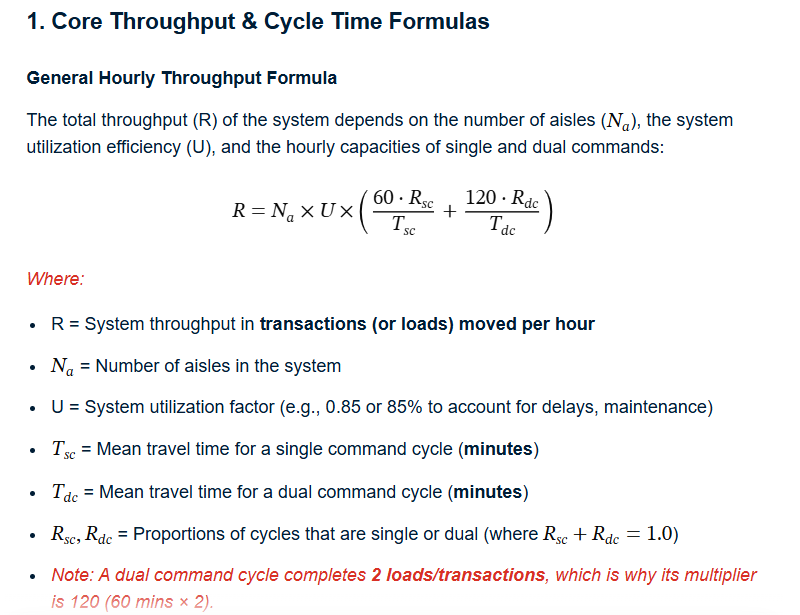
Throughput capacity—the number of unit loads that can be stored or retrieved per hour—is the ultimate measure of Automated Storage and Retrieval System performance. The fundamental throughput equation is:
n = 3600 / tm
Where n = number of unit loads (or pallets) per hour, and tm = average cycle time in seconds.
This seemingly simple equation belies the complexity of accurately determining average cycle time, which depends on the specific operational profile of the facility. Simulation-based optimization of unit load multi-aisle Automated Storage and Retrieval System design has emerged as a powerful tool for accurately predicting throughput.
H2: Single Cycle vs. Dual Cycle Operations
Single command cycles involve either a storage operation OR a retrieval operation, with the stacker crane returning to its origin position after completing the task. The average single command cycle time is calculated as:
tm₁ = ½[t(p₁) + t(p₂)] + t₀₁
Where:
t(p₁) = round-trip travel time from origin to position p₁
t(p₂) = round-trip travel time from origin to position p₂
t₀₁ = fixed time elements for single cycles (positioning, load detection, fork operations, etc.)
Dual command cycles combine a storage operation AND a retrieval operation in a single sequence, with the machine traveling from origin to the storage position, then to the retrieval position, then returning to origin. The average dual command cycle time is:
tm₂ = t(p₁; p₂) + t₀₂
Where:
t(p₁; p₂) = travel time from origin to p₁, then to p₂, then back to origin
t₀₂ = fixed time elements for dual cycles
The aisle-captive configuration of most Automated Storage and Retrieval System installations allows all aisles to be served in parallel, simplifies control, and maximizes throughput.
H2: Factors Affecting Throughput
Numerous factors influence actual Automated Storage and Retrieval System throughput:
Travel distances between the input/output point and storage/retrieval positions directly affect cycle times. Strategic positioning of the I/O point can significantly improve throughput in any Automated Storage and Retrieval System.
Velocity and acceleration parameters determine how quickly the machine can traverse these distances. Higher speeds reduce travel time but may increase energy consumption and mechanical wear.
Fixed time elements—including positioning accuracy, load detection, and fork cycle times—represent a constant overhead that becomes proportionally more significant for shorter travel distances.
Operational efficiency accounts for real-world factors such as system availability, operator intervention requirements, and maintenance downtime.
System configuration—including the number of aisles, stacker cranes per aisle, and storage depth—determines the overall facility throughput capacity.
H2: Throughput Optimization Strategies
Optimizing Automated Storage and Retrieval System throughput requires a systematic approach:
Analyze demand profiles: Understand the facility’s pick rates and SKU diversity to match system capacity to operational requirements
Optimize storage assignment: Class-based storage strategies can reduce average travel distances by placing high-activity SKUs near the I/O point
Balance velocity and stability: Select speeds and accelerations that maximize throughput while maintaining load stability and equipment longevity
Minimize fixed time elements: Optimize control algorithms and mechanical systems to reduce positioning and load handling times
Consider dual command cycles: Wherever possible, combine storage and retrieval operations to maximize machine utilization
Research has demonstrated that when information about access frequency and number of loads per product is available, the throughput capacity of an Automated Storage and Retrieval System can be increased significantly by properly storing and reshuffling loads to better positions. Throughput models can optimize rack layout to yield maximum throughput capacity.
H1: Safety Systems and Operational Safeguards
H2: Safety Standards and Requirements
Automated Storage and Retrieval System safety is governed by multiple standards, including JB/T 11269 for stacker crane safety, EN 528 for rail-dependent storage and retrieval equipment safety, and applicable sections of NFPA and OSHA regulations.
These standards address safety throughout the equipment lifecycle—from design and manufacturing through installation, operation, and maintenance. Any Automated Storage and Retrieval System project must comply with these requirements to ensure personnel safety and regulatory compliance.
H2: Physical Safeguards
Physical safeguards protect personnel from the hazards associated with automated equipment in any Automated Storage and Retrieval System facility:
Perimeter guarding in the form of 1.8-meter-high guardrails must be installed around the stacker crane operating area and associated conveyor systems. Access gates must be interlocked to prevent unauthorized entry.
Aisle intrusion prevention systems detect and prevent personnel from entering operating aisles while stacker cranes are in motion. Warning signage must clearly indicate no aisle crossing.
Emergency escape routes must be provided at stacker crane travel endpoints to enable personnel evacuation in emergency situations.
Emergency stop systems must be readily accessible, with red mushroom-head pushbuttons installed at operator stations and other strategic locations.
H2: Control System Safeguards
Control system safeguards prevent unsafe equipment operation in the Automated Storage and Retrieval System:
Interlocks prevent machine movement when access gates are open or when unsafe conditions exist.
Load detection systems verify that loads are properly positioned before allowing machine movement.
Position verification ensures the machine is correctly located before initiating storage or retrieval operations.
Overspeed protection prevents the machine from exceeding safe operating speeds.
Overload protection prevents operation when loads exceed rated capacity.
H2: Operational Safety Procedures
Beyond physical and control system safeguards, operational procedures play a critical role in Automated Storage and Retrieval System safety:
Regular inspection and maintenance programs identify and address potential safety issues before they result in incidents.
Formazione degli operatori ensures that personnel understand safe operating procedures and emergency response protocols.
Lockout/tagout procedures protect maintenance personnel from unexpected machine startup.
Emergency response plans address potential incidents including fires, equipment failures, and personnel injuries.
H1: Installation Tolerances and Quality Assurance
H2: Pre-Installation Requirements
Before Automated Storage and Retrieval System equipment installation begins, the facility must meet stringent preparation requirements:
Foundation preparation must achieve the settlement and flatness tolerances discussed earlier. Verification measurements should confirm compliance before proceeding with installation.
Building envelope must be complete and weather-tight to protect sensitive automation equipment.
Utility connections must be in place and verified.
H2: Installation Tolerances
Automated Storage and Retrieval System installation demands exceptional precision. Key tolerances include:
Rack structure must be plumb and level within specified limits. Out-of-plumb conditions (initial installation deviations) must be accounted for in structural analysis.
Rail alignment must achieve precise straightness and levelness to ensure smooth stacker crane operation. Track gauge must be maintained within tight tolerances.
Component positioning must ensure proper clearances and alignments between rack structure, stacker crane, and building elements.
H2: Post-Installation Verification
Comprehensive verification testing confirms that the installed Automated Storage and Retrieval System meets design specifications:
Structural verification confirms that the rack structure can safely support design loads.
Performance testing verifies that the system achieves specified throughput rates.
Safety system testing confirms that all safety devices and interlocks function correctly.
Operational acceptance testing validates system performance under real-world operating conditions.
H1: Industry Trends and Future Directions
H2: Market Growth and Evolution
Il Automated Storage and Retrieval System market is experiencing significant growth, driven by e-commerce expansion, labor shortages, and the need for supply chain resilience. The global Automated Storage and Retrieval System market was valued at approximately USD 10.51 billion in 2025 and is projected to reach USD 16.99 billion by 2031, growing at a CAGR of 8.34%. Another estimate values the global Automated Storage and Retrieval System market at USD 10.29 billion in 2025, growing to USD 20.92 billion by 2034 at a CAGR of 8.2%. The Asia-Pacific region dominates the Automated Storage and Retrieval System market.
H2: Emerging Technologies
Several technological trends are reshaping Automated Storage and Retrieval System design:
AI-enabled software supports demand forecasting, dynamic slotting, travel-path optimization, workload balancing, predictive maintenance, and automated replenishment. AI is transforming Automated Storage and Retrieval System from mechanical storage automation into intelligent fulfillment orchestration. Researchers are investigating the applicability of AI tools for sustainable lifecycle management of stacker cranes in Automated Storage and Retrieval System installations.
Modular and scalable architectures are replacing fixed, single-purpose automation, enabling facilities to adapt to changing requirements.
Digital twin simulation enables operators to model throughput, labor savings, energy use, and capacity utilization under different demand scenarios before implementing changes.
Robotics integration—particularly autonomous mobile robots (AMRs) working alongside traditional stacker cranes—is creating more flexible and resilient material handling systems.
Energy efficiency features, including regenerative braking and energy-optimized control algorithms, are becoming increasingly important as sustainability targets influence investment decisions. Researchers are investigating energy-efficient industrial warehousing with digital tools for Automated Storage and Retrieval System applications.
H2: Sustainability Considerations
Environmental sustainability is emerging as a significant factor in Automated Storage and Retrieval System design:
Energy-efficient drives reduce operational energy consumption.
Regenerative braking captures energy during deceleration, reducing overall power consumption.
Optimized storage density reduces the facility footprint, minimizing land use and construction materials.
Material efficiency in rack design reduces steel consumption while maintaining structural integrity.
H1: Investment and Return on Investment Analysis
H2: Understanding the Investment Case
The decision to implement an Automated Storage and Retrieval System represents a significant capital investment that requires careful financial analysis. However, the return on investment can be substantial for well-designed systems.
Capital costs for an Automated Storage and Retrieval System includono:
Rack structure and installation
Stacker cranes and controls
Conveyor systems and integration
Warehouse management system software
Facility modifications
Project management and engineering
Operating cost savings from an Automated Storage and Retrieval System includono:
Labor cost reduction (typically 30-40%)
Space utilization improvement (up to 75% reduction in storage footprint)
Inventory accuracy improvement
Reduced product damage
Lower energy costs per unit stored
H2: ROI Case Studies
Real-world Automated Storage and Retrieval System implementations demonstrate the financial benefits of automation. Tier1MRO highlights the accelerated return on investment achievable through Modula’s Automated Storage and Retrieval Systems. These systems enable significant space reclamation, labor savings, and accuracy improvements, with payback periods well under two years for many operations.
In one case study, order processing speed increased by 40%, error rates dropped by 35%, and labor productivity improved by 30% following Automated Storage and Retrieval System implementation. The client achieved a projected payback period of fewer than four years, with automation readiness enabling substantial long-term operational resilience. With a typical return on investment in less than two years, warehouse automation is a strategic investment for today’s competitive market.
H2: Factors Affecting ROI
Several factors influence the return on investment for an Automated Storage and Retrieval System:
System utilization—higher utilization improves ROI by spreading fixed costs over more throughput.
Labor cost savings—the greatest benefit in many implementations, particularly in high-wage regions.
Space utilization—the value of reclaimed floor space can be substantial in high-rent districts.
Accuracy improvements—reduced error rates lower the cost of returns and rework.
Scalabilità—systems that can grow with the business provide better long-term ROI.
Conclusione
La progettazione di automated stereo warehouses represents a multidisciplinary engineering challenge that demands rigorous adherence to established standards while embracing innovation. From the fundamental distinction between integral and separate rack structures to the precise calculation of throughput capacity, every aspect of Automated Storage and Retrieval System design must be meticulously planned and executed.
The standards that govern this discipline—including GB/T specifications, EN standards, ANSI MH16.1, and VDI/VDE guidelines—provide a comprehensive framework for ensuring safety, reliability, and performance. Yet these standards are not static; they evolve to address emerging technologies and operational requirements. The Automated Storage and Retrieval System industry continues to advance with AI integration, modular architectures, and sustainability improvements.
Successful Automated Storage and Retrieval System implementation requires more than technical competence. It demands a holistic understanding of how structural engineering, control systems, fire protection, foundation design, e operational planning must work in harmony. The consequences of design errors—whether in settlement tolerance, fire protection, or throughput calculation—can be catastrophic, resulting in operational failures, safety incidents, or multi-million-dollar project overruns.
As the industry continues to evolve toward AI-enabled, modular, e sustainable automated warehouses, the fundamental principles established in design standards remain the bedrock upon which successful projects are built. Whether one is a facility planner, equipment specifier, or supply chain executive, understanding these principles is essential to making informed decisions that deliver lasting value.
The future of warehouse automation is being built today, and the standards we follow now will shape the capabilities and limitations of tomorrow’s supply chains. By embracing both the rigor of established standards and the promise of emerging technologies, we can create automated warehouses that are not only more efficient and productive but also safer, more sustainable, and more resilient than ever before.
Frequently Asked Questions
1. What is the minimum clearance required between a stacker crane and the building structure at travel endpoints in an Automated Storage and Retrieval System?
The minimum distance between the stacker crane’s outermost point (when the machine is against the buffer stop in compressed state) and the building structure must exceed 500 mm. This clearance ensures safe operation and provides adequate space for maintenance access in any Automated Storage and Retrieval System facility.
2. How does storage depth affect Automated Storage and Retrieval System performance?
Storage depth refers to the number of unit loads stored along the fork extension direction within a single storage cell. While deeper storage increases storage density, it also increases cycle time because the stacker crane must travel further to access loads at greater depths. Single-depth storage provides the fastest access, while double-depth or multi-depth storage trades some speed for improved space utilization. The optimal depth depends on the specific throughput and density requirements of the Automated Storage and Retrieval System.
3. What are the key differences between integral and separate rack structures in an Automated Storage and Retrieval System?
Integral rack structures support both the stored goods AND the building’s structural loads, including roofing and walls. Separate rack structures bear only the weight of stored goods and are independent of the building structure. Integral designs offer material efficiency and space savings but require more complex engineering, while separate designs provide greater flexibility and simpler certification. The choice significantly impacts the overall Automated Storage and Retrieval System design and cost.
4. What fire protection challenges are unique to Automated Storage and Retrieval System facilities?
Automated Storage and Retrieval System facilities present unique fire protection challenges including high storage densities, greater storage heights, limited firefighter access due to narrow aisles, tightly packed racking with minimal flue spaces, and extensive use of plastic containers. These factors make conventional prescriptive fire protection designs less effective, often requiring performance-based design approaches validated through full-scale fire testing. NFPA 13 provides the primary framework, but many ASRS configurations require customized solutions.
5. How is Automated Storage and Retrieval System throughput capacity calculated?
Throughput capacity is calculated using the formula n = 3600 / tm, where n is the number of unit loads per hour and tm is the average cycle time in seconds. Average cycle time may be calculated for single command cycles [tm₁ = ½(t(p₁) + t(p₂)) + t₀₁] or dual command cycles [tm₂ = t(p₁; p₂) + t₀₂], depending on the operational profile. The calculation must account for travel distances, machine speeds, acceleration rates, and fixed time elements such as positioning and load handling. Simulation-based optimization is increasingly used to accurately predict Automated Storage and Retrieval System throughput under various operating conditions.
Geelyracks is a factory specializing in warehouse racking and a global expert in custom racking solutions: https://geelyracks.com/
We can provide you with free warehouse racking design plans and price quotes; contattateci. Our email address is jili@geelyracks.com