📐 "Les 50 premières requêtes d'entreprise bénéficient d'une conception personnalisée de l'entrepôt 3D" Plan















Introduction to Zero-Waste Warehousing
Zero-waste warehousing is no longer a niche concept—it’s a business imperative. By redefining how warehouses manage resources, energy, and waste, companies can slash costs, comply with tightening regulations, and meet consumer demand for eco-friendly logistics. This guide unpacks actionable strategies, from lean inventory management to cutting-edge green technologies, helping businesses transition from linear “take-make-dispose” models to circular, waste-free ecosystems.
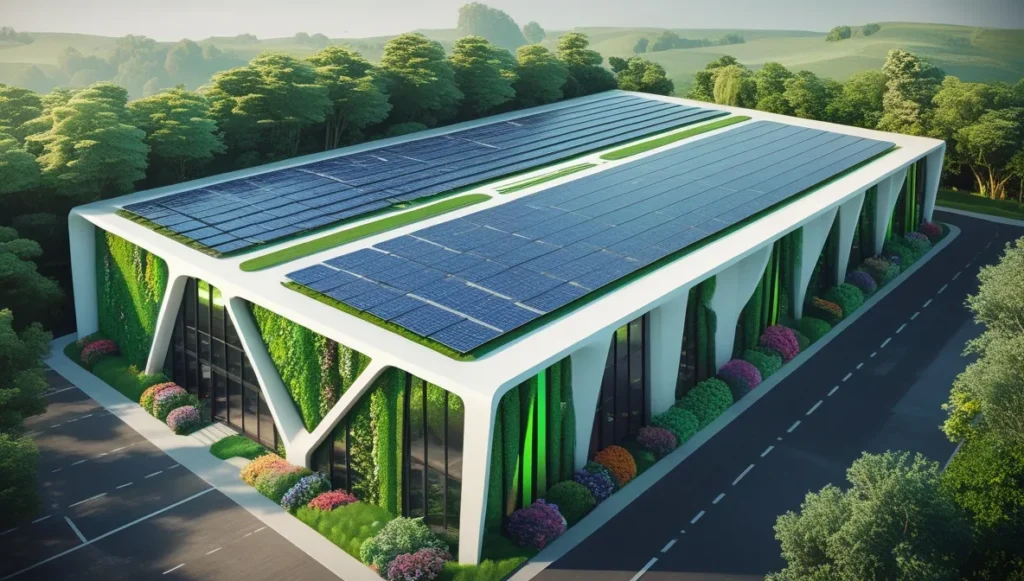
The Environmental and Economic Impact of Waste in Warehousing
The logistics sector generates 23% of U.S. landfill waste annually (EPA), with warehouses contributing significantly through packaging, energy overuse, and obsolete stock. Financially, waste disposal and inefficiencies drain 8–12% of operational budgets. However, pioneers like Patagonia etUnilever prove that zero-waste warehousing isn’t just eco-friendly—it’s profitable. For example, Unilever’s reusable crate system reduced packaging costs by 15%, while Patagonia’s Reno center achieved 97% landfill diversion through closed-loop recycling.
Key Principles of Zero-Waste Warehousing
1. Reduce, Reuse, Recycle: The Core Triad
- Reduce: Opt for digital documentation and minimalist packaging.
- Reuse: Implement returnable containers (e.g., Walmart’s shared pallet program saves 200,000+ trees yearly).
- Recycle: Partner with facilities like TerraCycle to process complex materials like mixed plastics.
2. Lean Inventory Management
Adopt Just-In-Time (JIT) systems supported by AI tools like Locus Robotics, which cut overstock by 30% through real-time demand forecasting.
3. Energy Efficiency
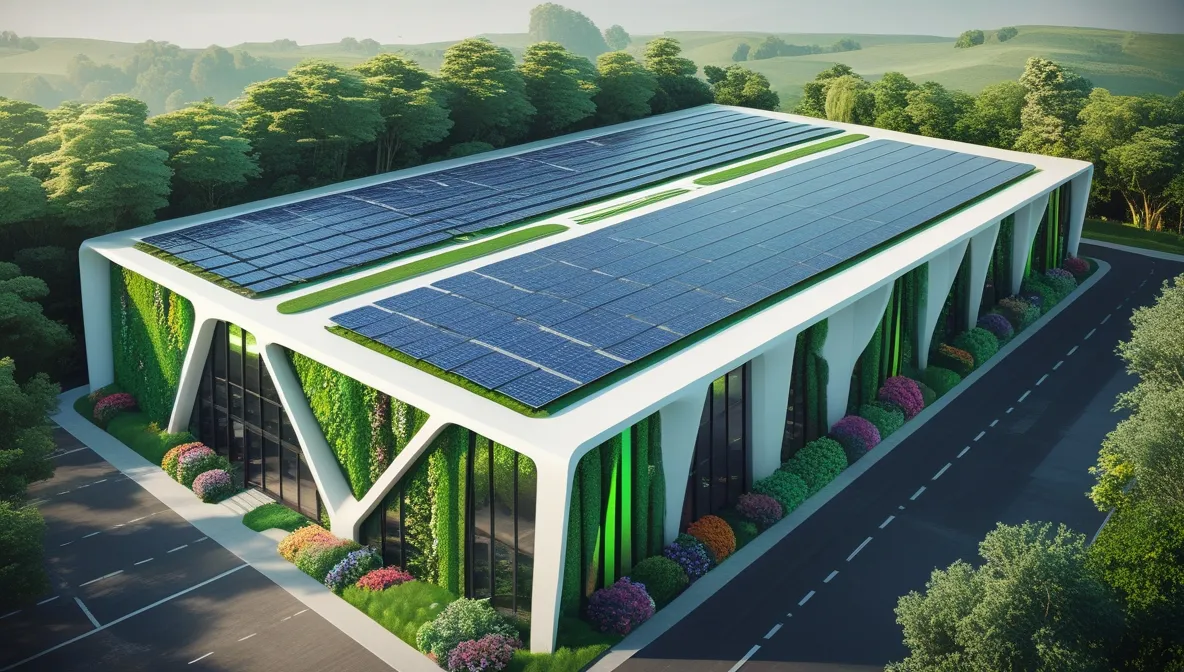
Upgrade to motion-sensor LEDs (saving 60% energy) and solar-powered HVAC systems (e.g., IKEA’s warehouses offset 100% energy via solar panels).
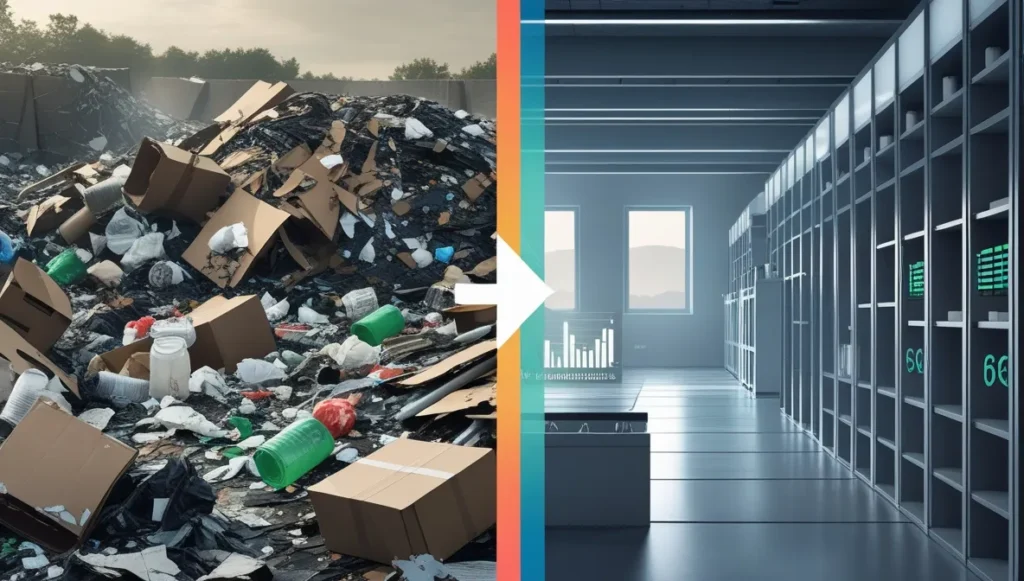
How to Design a Zero-Waste Warehouse Layout
Optimisation de l'espace
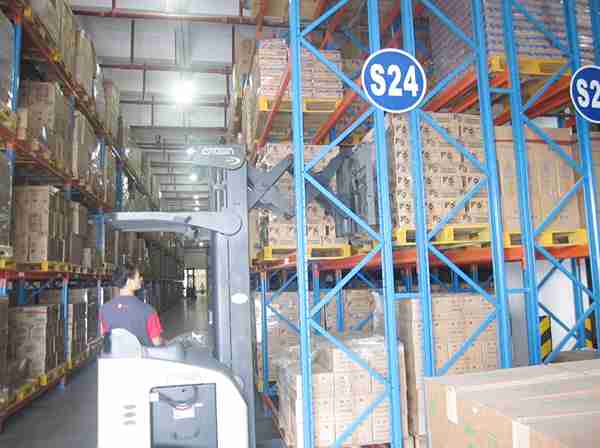
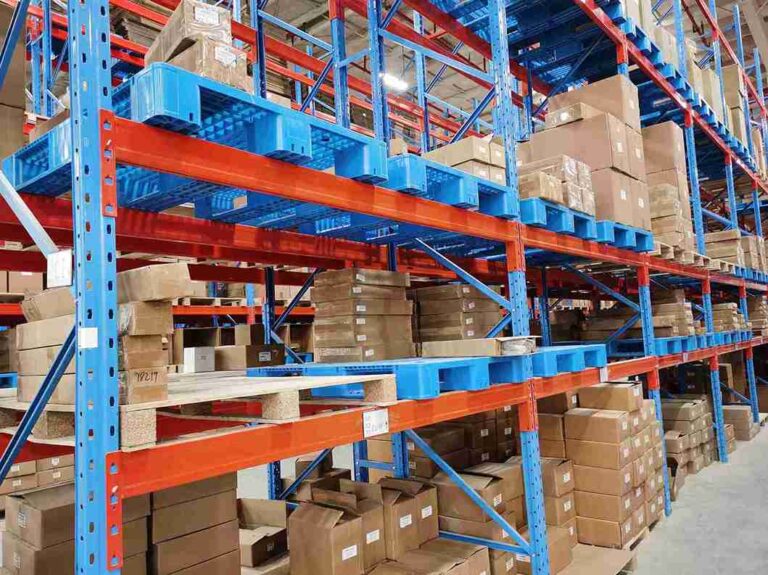
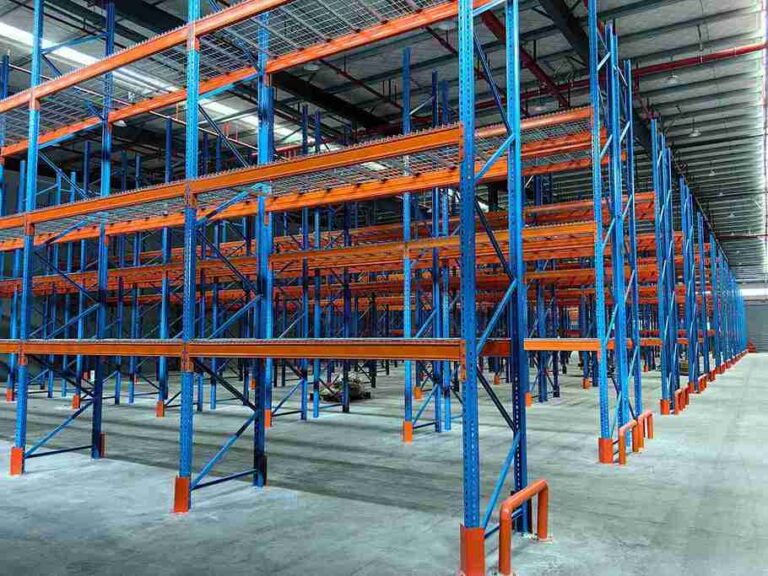
Utilisationmodular shelving (e.g., Kardex Remstar’s Shuttle XP systems) and cross-docking to minimize handling steps.
Vertical Storage Solutions
Deploy Systèmes de stockage et de récupération automatisés (AS/RS), like Amazon’s Kiva robots, which boost storage density by 400% and reduce energy use by 50%.

Implementing Sustainable Packaging Solutions
Sustainable packaging cuts waste and appeals to 68% of eco-conscious consumers (Nielsen, 2023). Strategies include:
- Biodegradable materials: Dell uses mushroom-based foam, reducing packaging waste by 40%.
- Right-sizing: FedEx’s box reduction program eliminated 200 million pounds of packaging since 2020.
- Supplier collaboration: Partner with **FSC-certified** vendors for recyclable cardboard.
Adopting Green Technologies in Warehousing
Solar Power
Solar panels can slash energy bills by 70%, as seen in **Walmart’s Project Gigaton** warehouses.
IoT and Automation
Sensors from **Honeywell** or **Siemens** monitor energy use, predicting equipment failures and reducing downtime waste by 25%.
Waste Auditing and Continuous Improvement
Conduct quarterly waste audits tracking:
- Waste-to-landfill ratios (aim for <5%).
- Energy use per square foot (benchmark: 0.15 kWh/sq. ft).
Use **Kaizen** methodologies to refine processes iteratively.
Employee Training for Zero-Waste Success
Empower teams with:
- Workshops on how to reduce warehouse waste through daily actions (e.g., turning off idle equipment).
- Incentive programs: DHL rewards staff who propose waste-cutting ideas, saving $1.2 million annually.
Case Studies: Zero-Waste Warehouses in Action
1. Patagonia’s TRUE Zero Waste Certification
By repurposing 97% of waste (e.g., fabric scraps into new products), Patagonia’s Reno hub became a global benchmark (Patagonia Sustainability Report).
2. Amazon’s Climate Pledge
Amazon’s 10,000+ robots optimize inventory paths, cutting energy waste by 30% while transitioning to 100% biodegradable packaging by 2025 (Amazon Sustainability Report).
3. Walmart’s Project Gigaton
Solar-powered warehouses and shared pallets reduced emissions by 20% and saved $2.3 billion in 2023 (Walmart ESG Report).
Navigating Regulatory Compliance for Zero-Waste Warehouses
EU Regulations
- **European Green Deal**: Mandates <10% landfill waste by 2030. Non-compliance risks fines up to 5% of revenue.
- **EPR Laws**: Germany’s VerpackG requires firms to fund packaging recycling.
U.S. Regulations
- **California SB 1383**: Requires 100% organic waste recycling by 2025.
- **Federal Tax Credits**: 30% credit for solar installations (IRS Form 3468).
Future Trends in Zero-Waste Warehousing
- Circular Economy: Adidas’ Futurecraft.Loop shoes, made from 100% recyclable materials, exemplify waste-to-resource models.
- Blockchain: IBM’s Food Trust tracks waste reduction in real time.
Conclusion
Zero-waste warehousing is a win-win: slashing costs while future-proofing operations against regulatory and consumer pressures. Start with a **waste audit template** (EPA), scale with technologies like AS/RS and solar, and foster a culture of sustainability.
FAQ
1. How can small warehouses afford zero-waste upgrades?
Prioritize low-cost wins like **Eclairage LED** and digital workflows. Apply for grants like the **USDA’s REAP program**.
2. What’s the ROI timeline for solar panels?
Most warehouses recoup costs in 3–5 years via energy savings and tax credits.
3. How do we handle non-recyclable materials?
Partner with **waste-to-energy plants** or innovators like **Brightmark** (plastic-to-fuel conversion).
4. Does zero-waste improve customer loyalty?
Yes—73% of consumers pay premium for sustainable brands (IBM, 2023).
5. How to start a zero-waste program?
Begin with a **waste audit template from the EPA**.
Nous vous invitons à nous contacter, Si vous avez besoin de dessins CAO pour des rayonnages d'entrepôt, nous pouvons vous fournir gratuitement la planification et la conception des rayonnages. Nous pouvons vous fournir gratuitement la planification et la conception des rayonnages d'entrepôt. Notre adresse électronique est la suivante : jili@geelyracks.com