📐 "Les 50 premières requêtes d'entreprise bénéficient d'une conception personnalisée de l'entrepôt 3D" Plan
















Introduction: Why Warehouse Racking for Food Storage is Critical
In the food and beverage industry, proper warehouse racking for food storage isn’t just about maximizing space—it’s about safety, compliance, and efficiency. Unlike standard industrial shelving, food-grade warehouse racking must withstand harsh washdowns, resist bacterial growth, and comply with strict FDA, USDA, and HACCP regulations.
This guide dives deep into warehouse racking for food storage, couvrant :
- Key differences between standard and food-safe racking
- Best materials (stainless steel vs. powder-coated steel)
- Top racking typespourfood storage warehouses
- Regulatory compliance (avoiding costly violations)
- Maintenance best practices to extend rack lifespan
- Cost vs. ROI – making the right investment
Whether you’re storing frozen goods, dry ingredients, or beverages, choosing the right warehouse racking for food storagepeutreduce contamination risks, improve workflow, and boost profitability.

1. What Makes Warehouse Racking for Food Storage Unique?
1.1 The Hygiene Factor: Why Standard Racking Fails
Standardwarehouse racking isn’t designed for food storage environments. Without corrosion-resistant coatings, standard steel racks can:
- Rust from moisture exposure
- Harbor bacteria in crevices
- Degrade from chemical cleaners
Food-grade warehouse racking solves these issues with:
- Smooth, non-porous surfaces (no cracks for bacteria)
- Stainless steel or FDA-approved coatings
- Seamless welds to prevent contamination
1.2 Compliance: Non-Negotiable in Food Storage
Every warehouse racking for food storage system must meet:
- FDA 21 CFR Part 117 (sanitation standards)
- USDA requirements (for meat, dairy, poultry)
- HACCP protocols (hazard prevention)
Failure to comply can lead to recalls, fines, or shutdowns—making food-safe racking a necessity, not an option.
2. Best Materials for Warehouse Racking for Food Storage
2.1 Stainless Steel: The Gold Standard
- Grade 304 or 316 stainless steel resists corrosion, acids, and extreme temperatures
- Ideal for:
- Cold storage warehouses
- High-moisture environments
- Frequent washdown areas
2.2 Powder-Coated Steel: A Cost-Effective Alternative
- Epoxy-coated steel provides rust resistance
- Best for dry food storage (less moisture exposure)
- Requires proper sealing to meet FDA standards
2.3 Galvanized Steel: Limited Use Cases
- Good for non-perishable dry goods
- Not recommended for wet or refrigerated storage
3. Top Types of Warehouse Racking for Food Storage
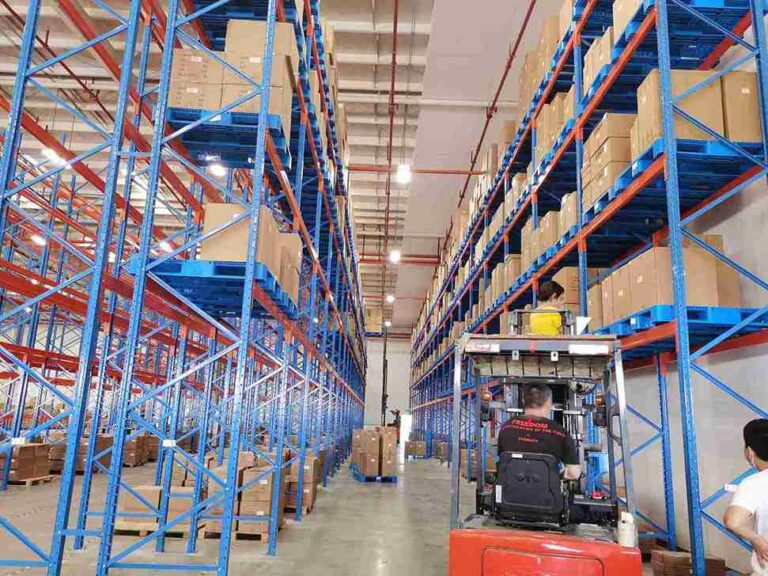
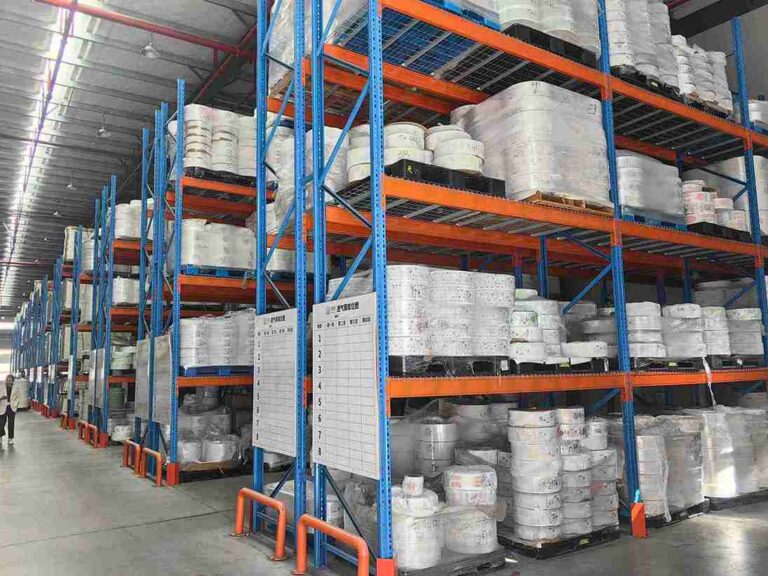
3.1 Selective Pallet Racking (Most Common for Food Warehouses)
- Flexible access to individual pallets
- Adjustable beams for varying load sizes
- Best for:
- Dry food storage
- Beverage warehouses
3.2 Pallet Flow Racking (FIFO System for Perishables)
- Gravity rollers move pallets automatically
- Ensures first-in, first-out (FIFO) rotation
- Perfect for:
- Dairy products
- Fresh produce
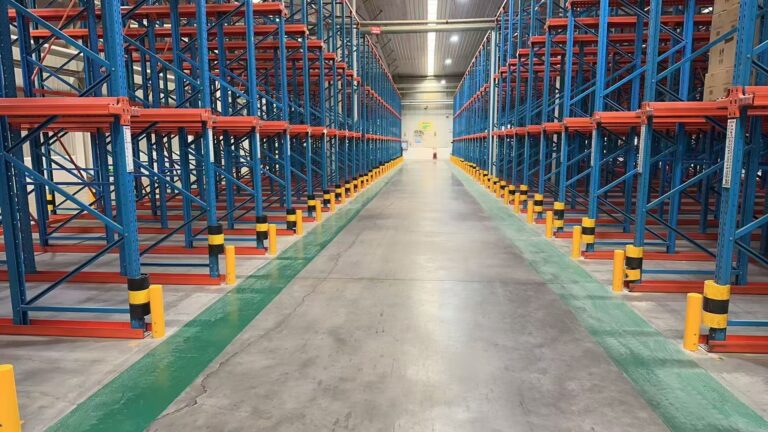
3.3 Drive-In Racking (High-Density Storage)
- Maximizes space for large SKUs
- Best for non-perishable bulk foods
4. How to Maintain Warehouse Racking for Food Storage
4.1 Daily & Weekly Cleaning Protocols
- Wipe down surfacesavecfood-safe sanitizers
- Inspect for rust, cracks, or damage
4.2 Deep Cleaning Procedures
- Pressure washing (if racks are designed for it)
- Steam cleaning for grease removal
4.3 Preventing Corrosion & Wear
- Use stainless steel fasteners
- Avoid abrasive scrubbing tools
5. Cost vs. ROI: Investing in the Right Warehouse Racking for Food Storage
5.1 Upfront Costs Breakdown
| Material | Cost per Pallet Position |
|---|---|
| Stainless Steel | 400 |
| Powder-Coated Steel | 250 |
| Galvanized Steel | 180 |
5.2 Long-Term Savings
- Stainless steel lasts 20+ years with proper care
- Reduced risk of recalls (saving thousands in fines)
Conclusion: Choosing the Best Warehouse Racking for Food Storage
The right warehouse racking for food storage ensures safety, compliance, and efficiency. Whether you need stainless steel for frozen foodsoupowder-coated racks for dry storage, investing in food-grade solutions pays off in longevity and risk reduction.
Need expert advice? Contact us pour uncustom warehouse racking solution tailored to your food storage needs.
FAQ
1. How often should warehouse racking for food storage be inspected?
Weekly checks for damage, rust, or loose components.
2. Can I retrofit existing racks for food storage?
Only if they meet FDA-approved coatings—otherwise, replacement is safer.
3. What’s the best racking for frozen food warehouses?
Stainless steel drive-in racking handles low temps and moisture best.
4. Are plastic pallets better than wood for food storage racking?
Yes—FDA-compliant plastic pallets resist bacteria better than wood.
5. How do I know if my warehouse racking meets HACCP standards?
Look for smooth welds, no crevices, and corrosion-proof materials.