📐 "Les 50 premières requêtes d'entreprise bénéficient d'une conception personnalisée de l'entrepôt 3D" Plan


Introduction: Mastering the Art of Shuttle Racking for Peak Performance
In today’s fast-paced warehousing industry, knowing how to use shuttle racking effectively can be the difference between an optimized storage operation and a logistical nightmare. Shuttle racking systems have become a cornerstone of high-density storage, offering unparalleled efficiency, space savingsetreduced labor costs. However, simply installing the system isn’t enough—operators must fully understand how to use shuttle racking to unlock its true potential.
This comprehensive guide dives deep into best practices, operational techniques, and expert tips to ensure businesses use shuttle racking to its fullest capacity. Whether managing a cold storage facility, e-commerce fulfillment center, or manufacturing warehouse, this guide provides actionable insights to boost productivity, minimize errors, and maximize ROI.
1. What Is Shuttle Racking and Why Should You Use It?
1.1 The Fundamentals of Shuttle Racking Systems
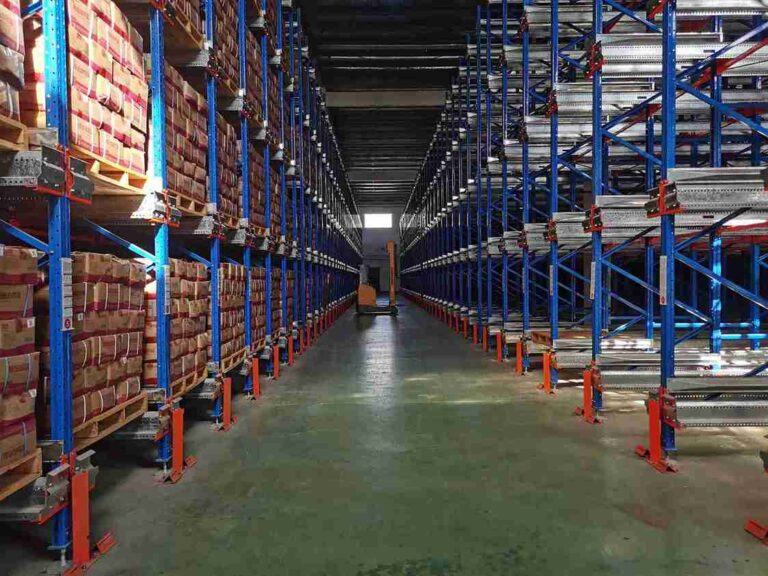
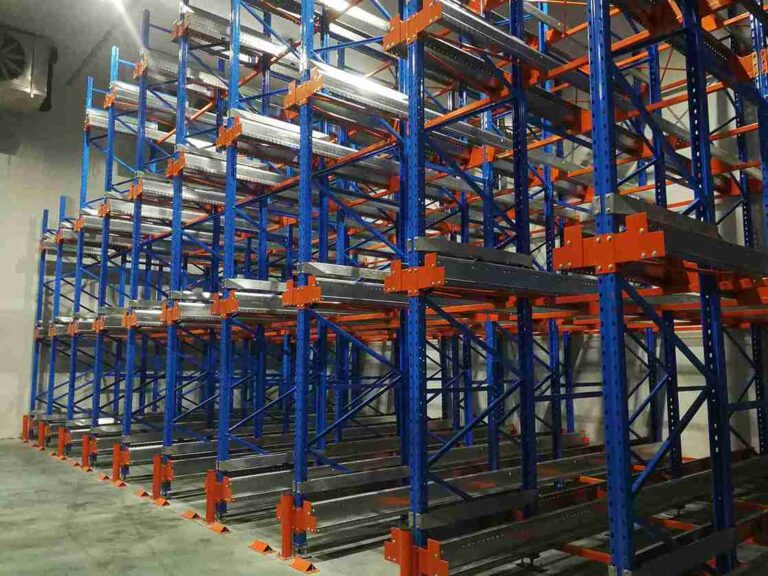
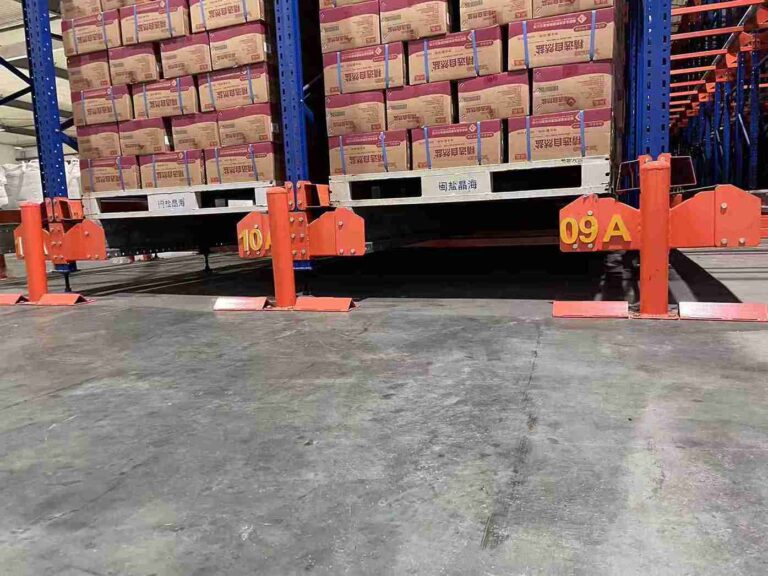
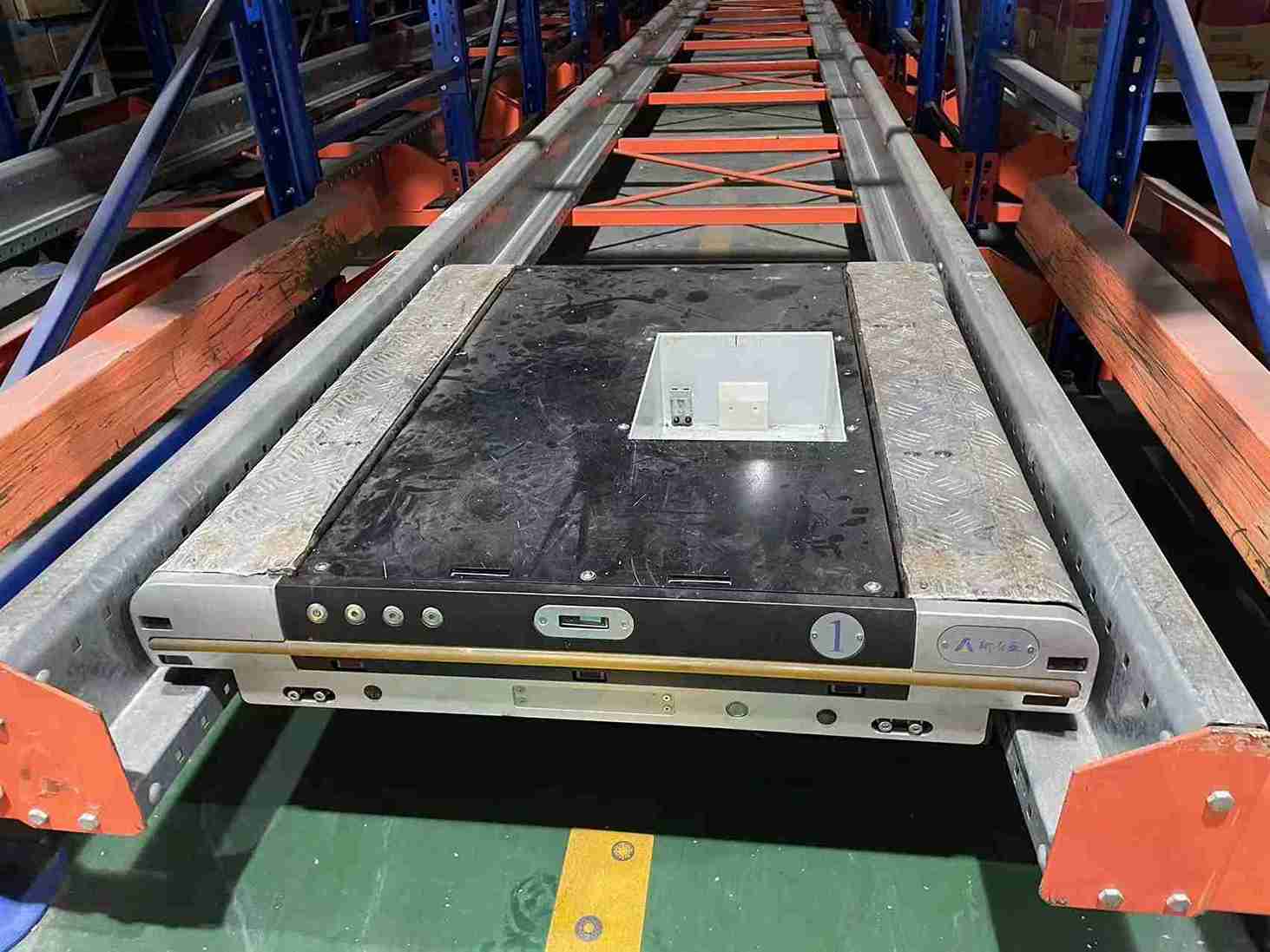
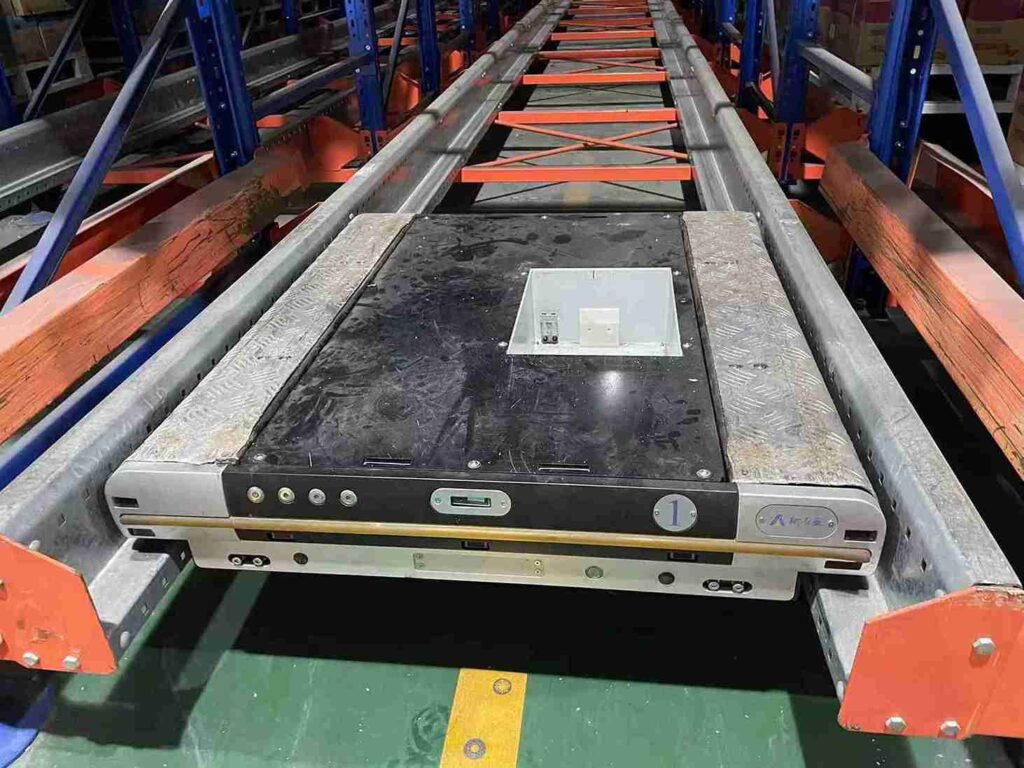
Ashuttle racking system is a semi-automated storage solution where a motorized shuttle cart moves pallets within deep storage lanes. Unlike traditional racking, it eliminates the need for forklifts to enter aisles, drastically improving sécurité et efficacité.
1.2 Key Benefits of Using Shuttle Racking
- Maximized Storage Density: Stores more pallets in the same footprint.
- Faster Load Retrieval: Reduces time spent searching for inventory.
- Lower Labor Costs: Minimizes forklift dependency.
- Enhanced Safety: Fewer accidents due to reduced forklift traffic.
For businesses wondering how to use shuttle racking to cut costs, the answer lies in its automation capabilities and space optimization.
2. How to Use Shuttle Racking: Step-by-Step Operational Guide
2.1 Pre-Operation Setup: Ensuring a Smooth Start
Before using shuttle racking, operators must:
- Inspect the shuttle cart for battery charge and mechanical integrity.
- Verify rack alignment to prevent jams.
- Check pallet dimensions to ensure compatibility.
2.2 Loading Pallets: Best Practices for Efficiency
- Position the pallet at the lane entrance.
- Activate the shuttle cart via remote or control panel.
- Monitor the shuttle as it transports the pallet into storage.
- Confirm secure placement before moving to the next load.
2.3 Retrieving Pallets: Speed and Accuracy
- Input the pallet location into the control system.
- The shuttle automatically fetches the required pallet.
- Use a forklift to remove the load from the lane.
Knowing how to use shuttle racking for fast retrieval is critical for high-throughput warehouses.
3. Advanced Techniques to Optimize Shuttle Racking Performance
3.1 Storage Strategy: FIFO vs. LIFO
- FIFO (premier entré, premier sorti): Ideal for perishable goods.
- LIFO (Last-In, First-Out): Best for non-perishable bulk storage.
3.2 Integrating Warehouse Management Systems (WMS)
- Sync shuttle racking with WMS for real-time inventory tracking.
- Use barcode/RFID scanning to eliminate manual errors.
3.3 How to Use Shuttle Racking for Seasonal Peaks
- Pre-load high-demand items in accessible lanes.
- Adjust shuttle speed settings for faster throughput.
4. Common Mistakes When Using Shuttle Racking (And How to Avoid Them)
4.1 Overloading the Shuttle Cart
- Exceeding weight limits can damage the system.
- Solution: Always check pallet weight before loading.
4.2 Poor Lane Management
- Cluttered lanes slow down operations.
- Solution: Implement a strict lane organization system.
4.3 Skipping Maintenance
- Neglecting lubrication and battery checks leads to breakdowns.
- Solution: Follow a preventive maintenance schedule.
Learning how to use shuttle racking without these mistakes ensures long-term reliability.
5. Maintenance and Troubleshooting for Shuttle Racking Systems
5.1 Daily and Weekly Maintenance Tasks
- Check shuttle battery levels.
- Lubricate rails and wheels.
- Test emergency stop functions.
5.2 Troubleshooting Common Issues
- Shuttle not moving? Check power supply and alignment.
- Pallets getting stuck? Verify weight distribution.
- System errors? Reset the control unit.
Properly maintaining shuttle racking prevents costly downtime.
6. Safety Protocols When Using Shuttle Racking
6.1 Essential Safety Measures
- Operators must wear high-visibility vests.
- Clear signage for shuttle zones.
- Emergency stop buttons must be accessible.
6.2 Training Requirements for Staff
- Certified training programs for all operators.
- Regular safety refreshers to reinforce best practices.
Safety is non-negotiable when using shuttle racking.
7. Cost Analysis: Is Shuttle Racking Worth the Investment?
7.1 ROI Breakdown
- Labor savings from reduced forklift use.
- Space savings from high-density storage.
7.2 Shuttle Racking vs. Traditional Systems
- Systèmes de navettes offer faster operations than drive-in racks.
- Rayonnage sélectif requires more aisle space.
Businesses that know how to use shuttle racking efficiently see a quick return on investment.
8. Future Innovations in Shuttle Racking Technology
8.1 AI and Automation
- Predictive maintenance using AI analytics.
- Self-learning shuttles for optimized routing.
8.2 Sustainable Shuttle Racking Solutions
- Solar-powered charging stations.
- Energy-efficient shuttle models.
The future of shuttle racking is smarter and greener.
Conclusion: Mastering How to Use Shuttle Racking for Maximum Efficiency
Shuttle racking is a game-changer for modern warehouses, but only if used correctly. By following this guide, businesses can optimize storage, reduce costs, and improve safety.
Key takeaways:
✔Proper training ensures smooth operations.
✔Regular maintenance prevents breakdowns.
✔Smart storage strategies maximize efficiency.
For companies ready to take their warehousing to the next level,learning how to use shuttle racking effectively is the first step.
Questions fréquemment posées (FAQ)
1. How long does it take to learn how to use shuttle racking?
Most operators become proficient within a week with proper training.
2. Can shuttle racking be used for small warehouses?
Oui.shuttle systems scale well for both small and large operations.
3. What’s the maximum weight a shuttle cart can handle?
Généralement1,500–2,500 kg, depending on the model.
4. How often should shuttle racking be inspected?
Weekly checkspour une performance optimale.
5. Is shuttle racking suitable for fast-moving inventory?
Absolutely—it’s ideal for high-turnover warehouses.