📐 "Ensimmäiset 50 yrityskyselyä saavat mukautetun 3D-varaston suunnittelun" Suunnitelma















Why Shuttle Racking Cost Analysis Matters
In today’s fast-moving logistics landscape, businesses must constantly evaluate warehouse storage solutions that balance cost-efficiencykanssaoperational performance. Among the most advanced options available, shuttle racking systems have gained traction for their ability to maximize storage density,reduce labor dependencyjaimprove inventory accuracy.
However, before committing to this investment, companies must conduct a detailed shuttle racking cost analysis to determine whether the long-term benefits justify the initial expenditure. This guide provides an in-depth financial breakdown, comparing shuttle racking costs against traditional systems, exploring hidden expenses, and presenting real-world ROI scenarios to help decision-makers optimize their warehouse spending.
Tervetuloa ottamaan yhteyttä meihin, jos tarvitset varastohyllyjen CAD-piirustuksia. Voimme tarjota sinulle varastohyllyjen suunnittelun ja suunnittelun ilmaiseksi. Sähköpostiosoitteemme on: jili@geelyracks.com
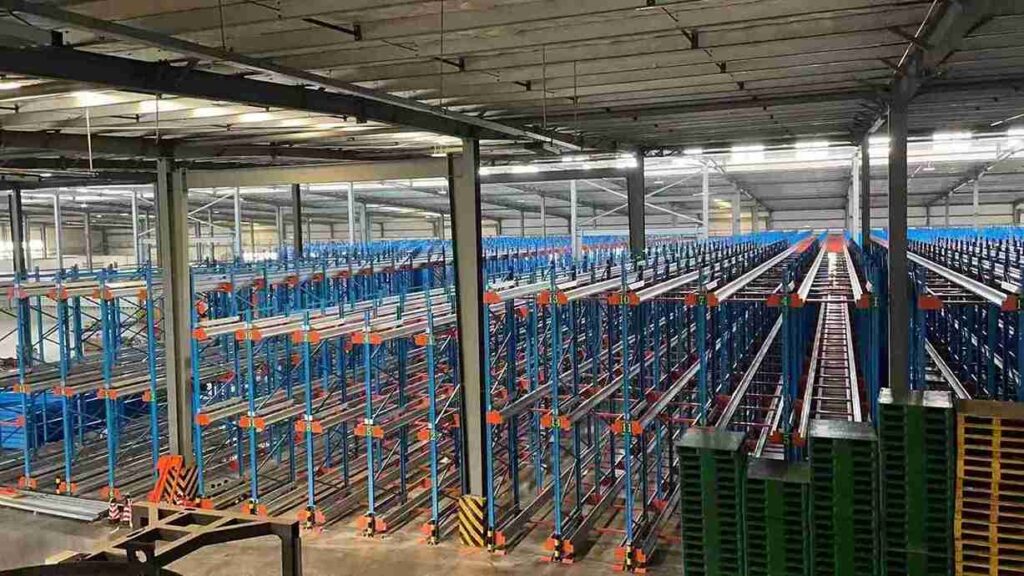
H1: Understanding Shuttle Racking Systems
H2: How Shuttle Racking Works
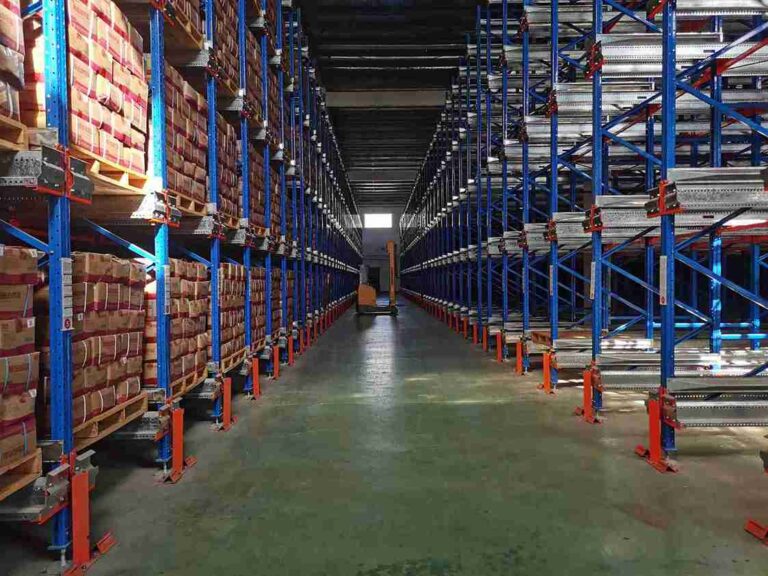
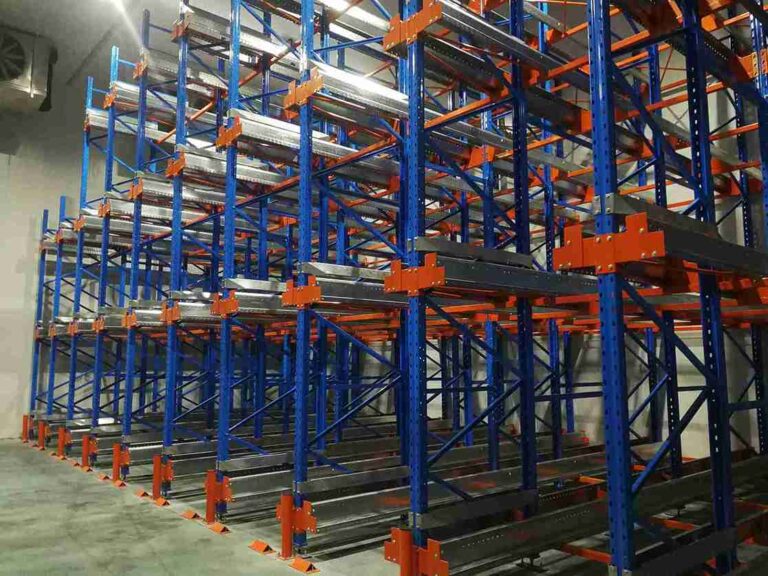
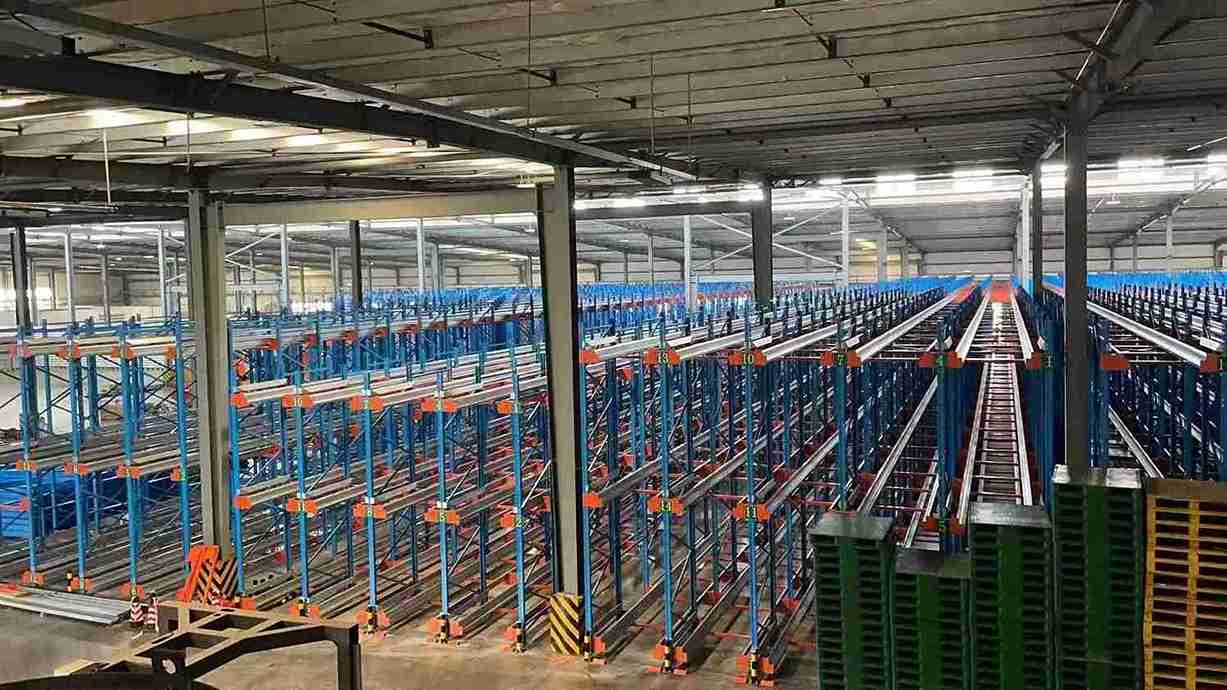
Toisin kuin perinteiset kuormalavahyllyt, shuttle racking systems utilize automated shuttle carts that travel within storage lanes, transporting pallets with minimal human intervention. These systems are typically controlled via RFID technology or integrated with Warehouse Management Software (WMS), mikä mahdollistaaseamless inventory trackingjanopeampi kuorman haku.
H2: Key Advantages Driving Adoption
A thorough shuttle racking cost analysis reveals several competitive benefits:
- Space Optimization: Up to 60% more storage capacity compared to selective racking.
- Labor Savings: Reduces forklift dependency, cutting operator costs by 30–50%.
- Operational Efficiency: Ideal for FIFO (First-In-First-Out) and LIFO (Last-In-First-Out) inventory systems.
- Enhanced Safety: Minimizes forklift accidentsjaproduct damage.
H1: Comprehensive Shuttle Racking Cost Analysis
H2: 1. Upfront Investment Costs
H3: Equipment Expenses
- Shuttle Carts: 20,000 per unit (varies by load capacity and automation level).
- Racking Structure: 150 per pallet position (higher for heavy-duty configurations).
- Control Systems: WMS integration can add 50,000 depending on complexity.
H3: Installation & Infrastructure Costs
- Professional Installation: 50,000 (scales with warehouse size).
- Floor Reinforcement: May require additional 15 per sq. ft. for heavy loads.
- Electrical Upgrades: Necessary for fully automated systems.
H2: 2. Operational & Maintenance Costs
H3: Labor Cost Reductions
- Fewer Forklift Operators Needed: Saves 60,000 annually per shift.
- Lower Training Expenses: Automated systems require less manual training.
H3: Maintenance & Repairs
- Annual Servicing: 5,000 per shuttle cart.
- Battery Replacements: Every 3–5 years (3,000 per battery).
- Software Updates: Periodic WMS upgrades may incur additional fees.
H2: 3. Long-Term Financial Benefits
- Higher Storage Density: Delays warehouse expansion costs.
- Energy Efficiency: Electric shuttles consume less power than forklifts.
- Improved Throughput: Faster operations lead to higher order fulfillment rates.
H1: Key Factors Impacting Shuttle Racking Costs
H2: Warehouse Specifications
- Ceiling Height: Taller buildings allow for higher vertical storage, improving ROI.
- Floor Load Capacity: Weak flooring may require reinforcement, increasing costs.
H2: Inventory & Workflow Requirements
- Pallet Dimensions & Weight: Heavier loads require more durable (and expensive) shuttles.
- Throughput Speed: High-volume warehouses benefit more from automation investments.
H2: Automation Level & Customization
- Semi-Automated vs. Fully Automated: The latter costs 20–40% more but offers greater efficiency.
- Custom Software Integration: Adds 100,000+ but enhances inventory control.
H1: Shuttle Racking vs. Traditional Systems: Cost Comparison
| Cost Factor | Shuttle Racking | Selective Racking | Drive-In Racking |
|---|---|---|---|
| Initial Investment | 500,000+ | 200,000 | 300,000 |
| Labor Costs | 30–50% lower | High (multiple forklifts) | Kohtalainen |
| Säilytystiheys | 60%+ more efficient | Standardi | High (but slower access) |
| ROI Period | 3–5 years | 5–8 years | 4–7 years |
H1: Real-World Shuttle Racking Cost Analysis Case Studies
H2: Case Study 1: Food & Beverage Distribution Center
- Investment: $300,000 (semi-automated system).
- Labor Savings: $50,000/year.
- ROI Achieved:3.8 years.
H2: Case Study 2: E-Commerce Fulfillment Warehouse
- Investment: $600,000 (fully automated with WMS).
- Throughput Increase:45% faster order processing.
- ROI Achieved:3.2 years.
H1: How to Optimize Shuttle Racking Costs
- Phased Implementation: Start with semi-automation, then upgrade.
- Leasing Options: Avoid large capital expenditure with rental agreements.
- Bulk Discounts: Negotiate better pricing for multi-site deployments.
H1: Future Trends in Shuttle Racking Cost Efficiency
- AI-Powered Predictive Maintenance: Reduces downtime costs.
- Modular Racking Designs: Lowers installation expenses.
- Government Grants for Automation: Some regions offer tax incentives.
Conclusion: Is Shuttle Racking Worth the Investment?
A well-executed shuttle racking cost analysis demonstrates that while the initial outlay is higher, the long-term savings in labor, space, and efficiency make it a strategic investment for high-volume warehouses.
Businesses should assess their specific operational needs,budget constraintsjagrowth projections before deciding. For those handling high SKU volumes,time-sensitive inventory, tailabor-intensive workflows,sukkulahyllyjärjestelmät offer a compelling financial advantage.
FAQs: Shuttle Racking Cost Analysis
1. What is the typical lifespan of a shuttle racking system?
Asianmukaisella huollolla.shuttle racking systems last 15–20 years, though shuttle carts may need replacement every 8–10 years.
2. Can existing warehouses be retrofitted for shuttle racking?
Yes, but a structural assessment is crucial to ensure floor strength,ceiling clearancejaelectrical capacity support automation.
3. Which industries see the highest ROI from shuttle racking?
- Cold storage logistics (due to reduced energy costs).
- Automotive parts distribution (handling heavy pallets efficiently).
- Pharmaceuticals (requiring precision stock control).
4. Are there financing options to reduce upfront shuttle racking costs?
Many suppliers offer leasing programs,equipment financing, taipay-per-use models to ease budget constraints.
5. How does shuttle racking improve inventory accuracy?
Automated tracking via barcode/RFID integration reduces human errors, ensuring real-time stock visibility.