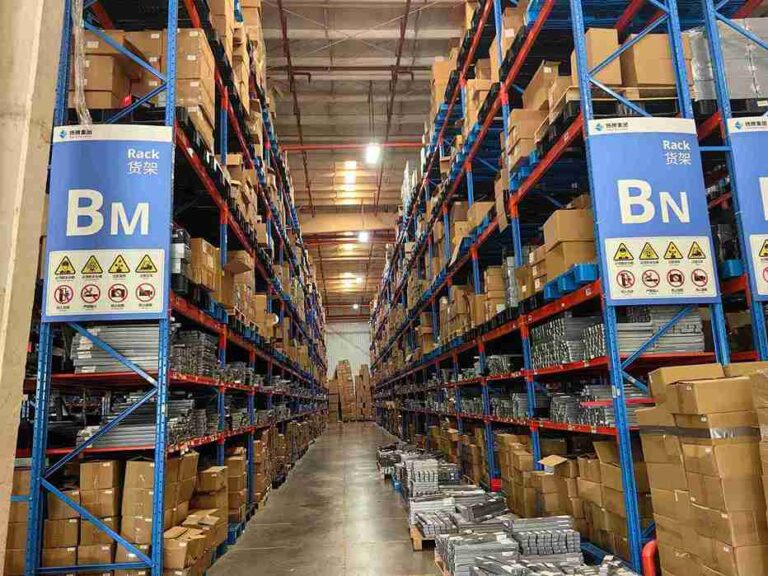
📐 "Die ersten 50 Unternehmensanfragen erhalten ein individuelles 3D-Warehouse-Design" Plan















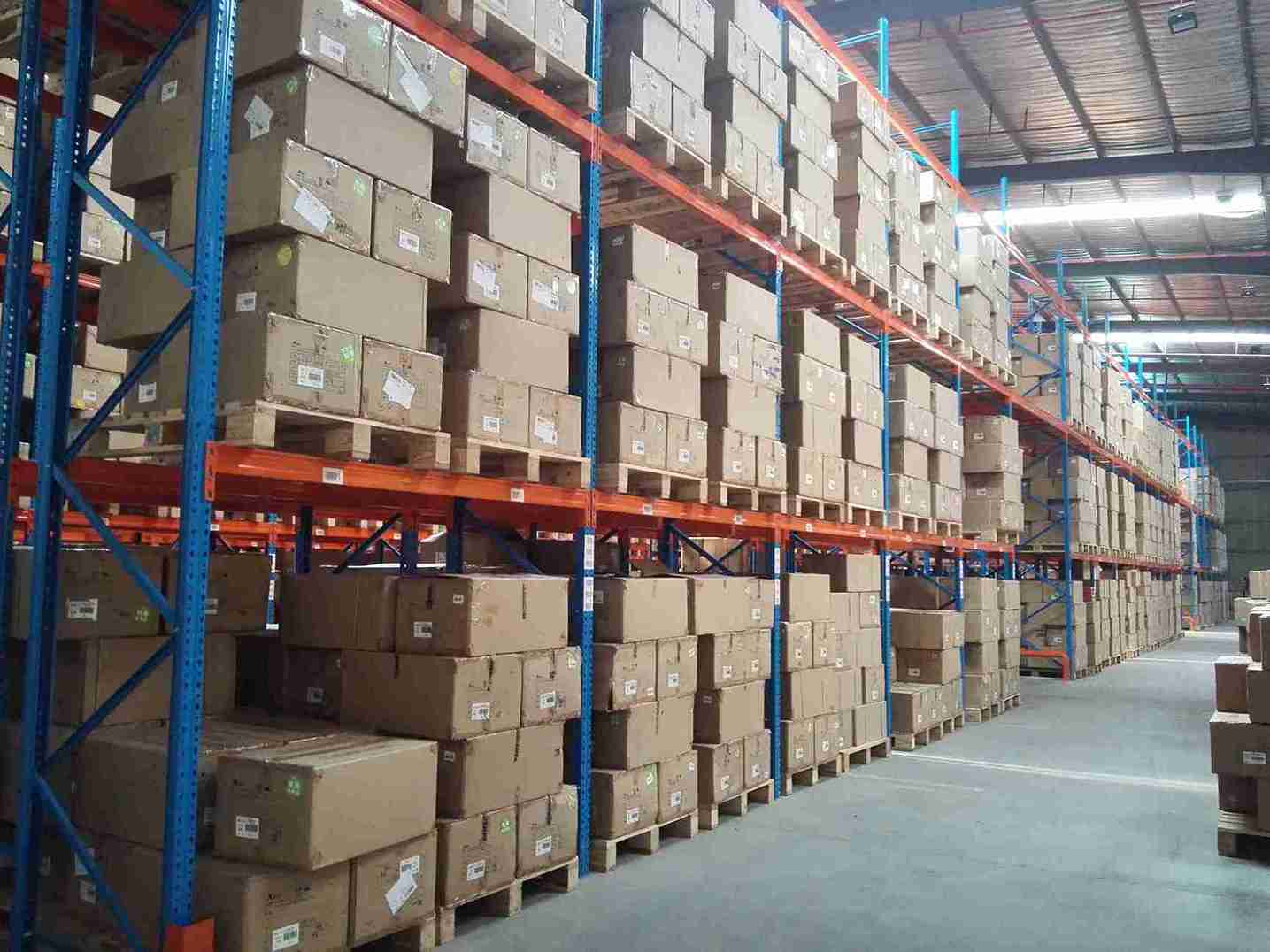
Automation Standard Pallet Racking for Food & Beverage E-commerce Warehouses: Global Emerging Markets Custom Solutions & Latest Pricing
The burgeoning food and beverage e-commerce sector, particularly across Southeast Asia, the Middle East, Africa, and Latin America, presents both immense opportunities and significant logistical challenges. As consumer demands for fresh, diverse, and rapidly delivered products intensify, traditional warehousing models struggle to keep pace. This comprehensive article delves into how automation standard pallet racking systems, building upon the robust foundation of traditional standard pallet racking, are not just a solution, but a strategic imperative for businesses in these dynamic emerging markets.
We will explore the critical role of automated pallet racking, often an evolution of standard pallet racking principles, in optimizing storage density, enhancing operational efficiency, ensuring product integrity, and ultimately driving profitability for food and beverage e-commerce warehouses. Furthermore, we will provide an in-depth analysis of customized solutions für standard pallet racking and its automated counterparts, key factors influencing automation standard pallet racking Preis, and strategies for achieving a compelling return on investment (ROI) in these rapidly evolving global landscapes.
Our aim is to equip decision-makers with the knowledge to navigate the complexities of warehouse automation, specifically focusing on how standard pallet racking can be transformed and optimized, ensuring their operations are future-proofed and competitive.
The E-commerce Revolution in Food & Beverage: A Global Imperative for Automation
The global food and beverage (F&B) e-commerce market is experiencing unprecedented growth, fundamentally reshaping consumer purchasing habits and supply chain dynamics. This shift is particularly pronounced in emerging markets such as Southeast Asia, the Middle East, Africa, and Latin America, where digital adoption rates are soaring, and a young, tech-savvy population is increasingly turning to online platforms for their grocery and dining needs .
The convenience, variety, and often competitive pricing offered by online F&B retailers have fueled this expansion, transforming what was once a niche segment into a mainstream shopping channel. However, this rapid growth brings with it a unique set of logistical challenges that traditional warehousing infrastructures, often relying solely on basic standard pallet racking, are ill-equipped to handle. The limitations of manual standard pallet racking become particularly apparent when faced with the scale and speed required by modern e-commerce operations.
The Unyielding Demands of Modern Food & Beverage E-commerce
Operating an e-commerce warehouse für food and beverage products is inherently complex. Unlike many other retail sectors, F&B deals with perishable goods, strict regulatory compliance, diverse product categories (from dry goods to chilled and frozen items), and highly variable demand patterns. The pressure to deliver quickly and accurately, often within tight delivery windows, further complicates operations. Consumers expect their orders to arrive fresh, intact, and exactly as specified, placing immense pressure on warehouse management systems and the physical infrastructure, which is often based on some form of standard pallet racking.
Key challenges for food and beverage e-commerce warehouses umfassen:
•Perishability and Shelf Life Management: Many F&B products have limited shelf lives, requiring stringent inventory rotation (FIFO/FEFO) and precise temperature control. This necessitates sophisticated warehouse automation solutions that can track expiry dates and manage different storage conditions effectively within the standard pallet racking system. The design of the standard pallet racking itself can be adapted to facilitate these requirements, for instance, by integrating temperature sensors directly into the racking structure, ensuring optimal conditions for sensitive goods stored in standard pallet racking.
•Product Variety and SKU Proliferation: The vast array of F&B products, including various brands, sizes, and packaging types, leads to a high number of Stock Keeping Units (SKUs). This demands flexible and adaptable Palettenregalanlagen, such as highly configurable standard pallet racking, that can accommodate diverse product dimensions and weights. The modularity of standard pallet racking makes it an ideal candidate for such adaptability, allowing for efficient storage of a wide range of products within the same standard pallet racking framework.
•Peak Season Fluctuations: E-commerce experiences significant demand spikes during holidays, promotional events, and seasonal changes. Food and beverage e-commerce warehouses must be able to scale operations rapidly without compromising service quality or product integrity. This often means having a standard pallet racking system that can handle fluctuating inventory levels efficiently, with automation providing the necessary elasticity and responsiveness to demand changes, ensuring the standard pallet racking system can cope with peak loads.
•Labor Shortages and Costs: Finding and retaining skilled warehouse labor, especially in emerging markets, can be challenging and costly. Automated warehouse systems, integrated with standard pallet racking, can mitigate these issues by reducing reliance on manual labor for repetitive and strenuous tasks. This allows human resources to be reallocated to more complex, value-added activities, enhancing overall productivity and safety within the standard pallet racking Umwelt.
•Space Optimization: Real estate costs, particularly in urban centers, are continually rising. Maximizing storage density within existing footprints is crucial for profitability, making High-Density-Speicherlösungen like automated standard pallet racking highly attractive. This is a significant upgrade from conventional standard pallet racking, transforming vertical and horizontal space utilization to achieve maximum storage capacity per square meter.
•Regulatory Compliance: The F&B industry is subject to strict health, safety, and traceability regulations. Automated warehousing, especially when integrated with robust standard pallet racking, can help ensure compliance by providing accurate record-keeping, controlled environments, and minimizing human error. The precise tracking capabilities of automated standard pallet racking systems are invaluable here, offering an auditable trail for every product stored.
These challenges underscore the urgent need for advanced warehouse automation in the food and beverage e-commerce sector, particularly in emerging markets where infrastructure development and operational efficiencies are still catching up with demand. The solution lies in intelligently designed and implemented automation standard pallet racking systems, which are advanced forms of standard pallet racking integrated with cutting-edge warehouse management technologies. These systems leverage the inherent strengths of standard pallet racking while overcoming its traditional limitations through automation, providing a competitive edge and future-proofing operations.
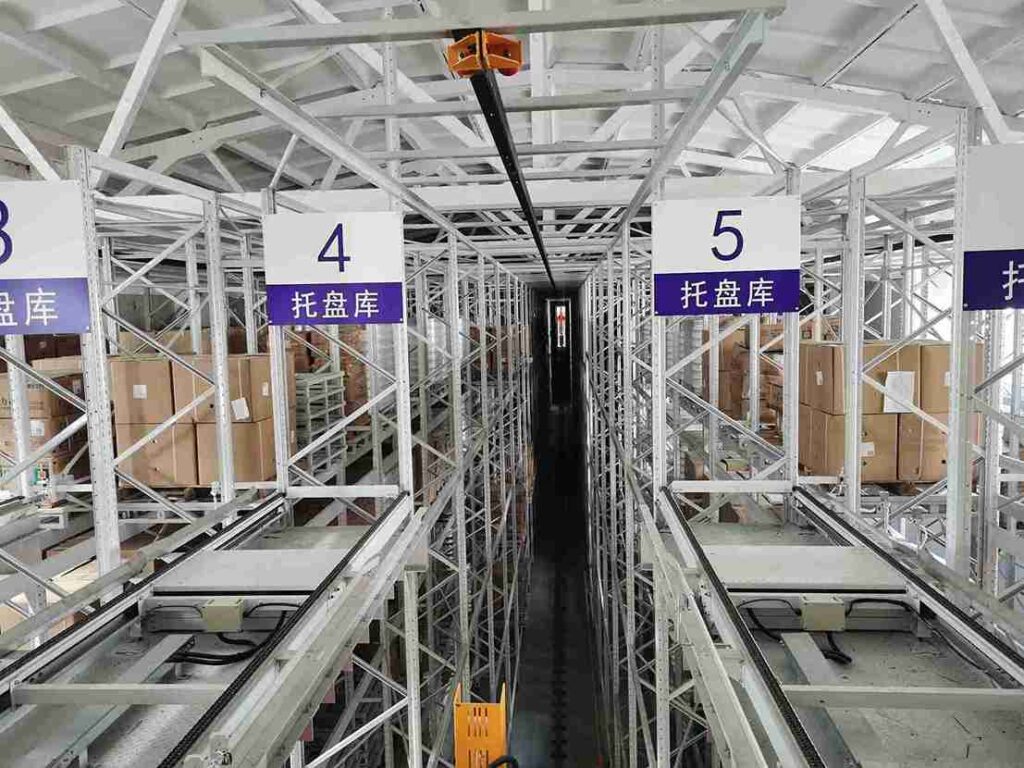
The Transformative Power of Automation: Why Standard Pallet Racking is No Longer Enough
For decades, standard pallet racking has been the undisputed backbone of warehouse storage globally, offering a simple, cost-effective, and remarkably versatile solution for organizing palletized goods. Its fundamental design, allowing for direct access to every pallet, has made standard pallet racking suitable for an extensive range of products and industries.
However, the escalating demands of food and beverage e-commerce, coupled with the unique operating environments of emerging markets, have begun to reveal the inherent limitations of traditional, purely manual standard pallet racking systems. The contemporary need for unparalleled speed, pinpoint accuracy, maximized storage density, and superior cost-efficiency now mandates a strategic shift towards automated standard pallet racking, an evolution that builds upon the proven reliability of standard pallet racking.
From Manual to Automated: Bridging the Efficiency Gap with Enhanced Standard Pallet Racking
The transition from manual standard pallet racking to automated standard pallet racking represents a significant, transformative leap in Lagereffizienz and operational capability. While traditional standard pallet racking systems, when operated manually, rely heavily on forklifts and human operators for pallet placement and retrieval, automated systems integrate advanced technologies such as Automatisierte Lager- und Bereitstellungssysteme (AS/RS), shuttle systemsund Automatisch gesteuerte Fahrzeuge (AGVs) oder Autonome mobile Roboter (AMRs).
This sophisticated integration transforms the familiar standard pallet racking structure into a dynamic, high-performance storage engine, far exceeding the capabilities of its manual predecessor. This evolution of the standard pallet racking is key to modern logistics, enabling businesses to meet the rigorous demands of F&B e-commerce with unprecedented speed and precision.
Manual standard pallet racking configurations often necessitate wide aisles to allow for safe and efficient forklift maneuverability, which unfortunately leads to suboptimal utilization of valuable vertical and horizontal warehouse space. In stark contrast, automated systems, particularly those utilizing pallet shuttles oder AS/RS integrated with standard pallet racking, can operate in much narrower aisles or even entirely aisle-less configurations.
This dramatically increases storage density within the same physical footprint, a critical advantage in emerging markets where warehouse space can be prohibitively expensive or severely limited. The ability to maximize storage within existing structures makes automated standard pallet racking a highly attractive proposition. The core structure remains standard pallet racking, but its efficiency is magnified through intelligent automation, making it a cornerstone of modern warehousing.
By embracing automation, food and beverage e-commerce warehouses can decisively overcome the inherent limitations of manual standard pallet racking, achieving levels of efficiency, accuracy, and storage density that are simply unattainable with traditional, unautomated methods.
This technological evolution, transforming basic standard pallet racking into a dynamic automated system, is not merely about replacing human labor; it is about fundamentally rethinking and optimizing the entire storage and retrieval process to meet the exacting demands of the modern F&B supply chain. The strategic upgrade from conventional standard pallet racking to its automated counterpart ensures a competitive edge, allowing businesses to thrive in a fast-paced market and deliver superior customer experiences.
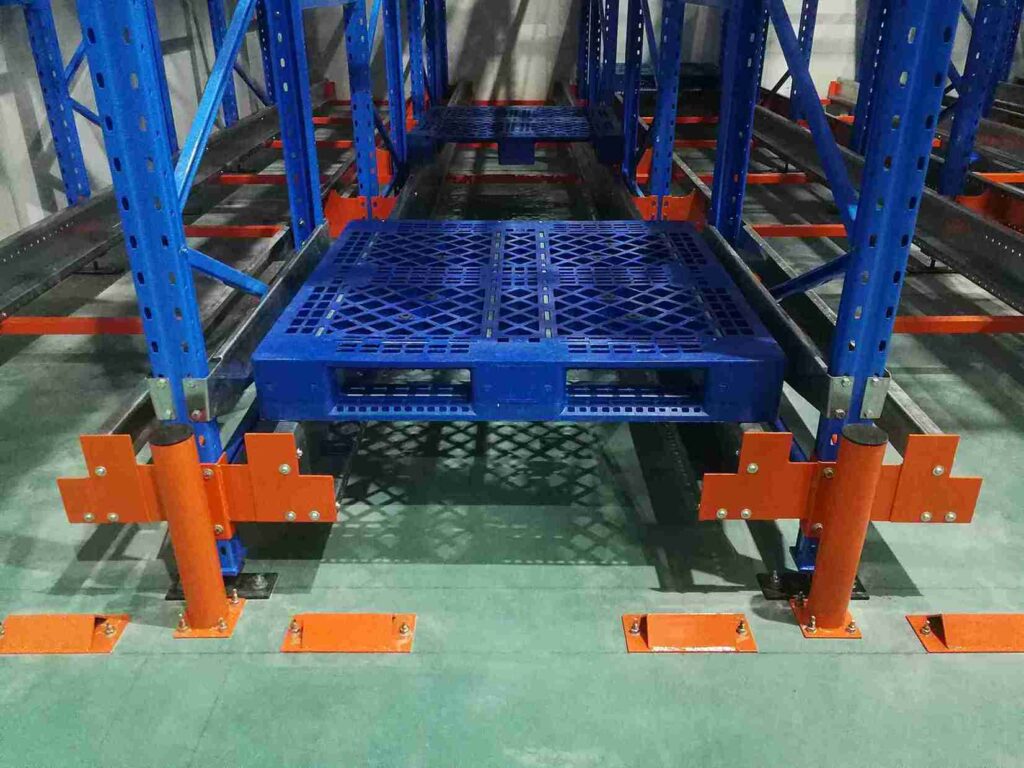
The Strategic Advantages of Automated Standard Pallet Racking for F&B E-commerce in Emerging Markets
The adoption of automated standard pallet racking systems, an advanced form of the widely recognized standard pallet racking, offers a multitude of strategic advantages for food and beverage e-commerce warehouses. This is particularly true for those operating in the dynamic and often challenging environments of Southeast Asia, the Middle East, Africa, and Latin America. These benefits extend far beyond mere operational efficiency, profoundly impacting profitability, market competitiveness, and long-term business sustainability. The evolution from basic standard pallet racking to automated solutions is a game-changer, providing a robust framework for future growth and resilience.
Enhanced Storage Density and Space Optimization with Advanced Standard Pallet Racking
One of the most compelling benefits of automated standard pallet racking is its remarkable ability to significantly enhance storage density. While traditional standard pallet racking inherently requires ample aisle space for manual forklift operation, leading to a certain degree of space inefficiency, automated systems like pallet shuttle systems oder AS/RS can operate in much narrower aisles, or even within deep-lane storage configurations.
This allows for the effective utilization of nearly every cubic meter of warehouse space. This capability is particularly valuable in emerging markets where land costs can be exceptionally high, and expanding physical warehouse footprints may not be feasible or cost-effective. The transformation of standard pallet racking into a high-density automated solution is a key differentiator. The inherent flexibility of automated racking systems, which often begin as robust standard pallet racking structures, allows for significantly more efficient warehouse layouts.
These systems integrate seamlessly with other automation technologies like conveyors and sorting systems, creating a cohesive and optimized material flow throughout the facility. This intelligent integration elevates the functionality of standard pallet racking to new levels, making every square foot count and maximizing the return on real estate investment.
Unparalleled Operational Efficiency and Throughput
Manual processes, even within well-organized standard pallet racking setups, are inherently prone to bottlenecks, delays, and inconsistencies due to human limitations. Automated standard pallet racking systems, however, are meticulously designed for continuous, high-speed operation, eliminating these common manual inefficiencies. Integrated with a robust Warehouse Management System (WMS), automated pallet racking provides real-time, accurate inventory data.
This superior visibility is essential for effectively managing perishable F&B products, optimizing stock levels within the standard pallet racking structure, and preventing waste. It allows for precise tracking of batch numbers, expiry dates, and specific storage conditions, a level of detail difficult to achieve with manual standard pallet racking. The continuous operation of automated standard pallet racking ensures that goods are always moving, reducing dwell times and accelerating order fulfillment, which is critical for meeting stringent e-commerce delivery promises.
Enhanced Accuracy and Product Integrity in Standard Pallet Racking Systems
Für food and beverage products, maintaining quality and integrity is absolutely paramount. Automated standard pallet racking systems offer superior control and precision, significantly reducing the risk of product damage, spoilage, and errors that can occur with manual handling in traditional standard pallet racking environments.
The precise handling of pallets by automated equipment minimizes the accidental drops, collisions, or improper stacking that are unfortunately common in manual forklift operations within traditional standard pallet racking setups. This meticulous handling is especially important for fragile or sensitive F&B items, where even minor damage can lead to significant losses. The inherent stability of standard pallet racking is further enhanced by automated precision, safeguarding valuable inventory and upholding brand reputation.
Scalability and Flexibility for Future Growth with Standard Pallet Racking
The dynamic nature of e-commerce, particularly in rapidly expanding emerging markets, demands warehouse solutions that can scale and adapt. Automated standard pallet racking systems are inherently designed with scalability in mind. Many standard pallet racking designs are modular, allowing businesses to expand their storage capacity and automation levels incrementally as their needs grow.
This reduces the initial capital outlay and allows for phased investment. The adaptability of standard pallet racking to various automation technologies ensures that the system can evolve with the business. The ability of automated systems to handle high throughput and operate continuously makes them highly adaptable to seasonal peaks and unexpected surges in demand, ensuring that e-commerce businesses can meet customer expectations even during busy periods.
Modern automated racking solutions are designed to integrate seamlessly with other emerging warehouse technologies, such as robotics, AI-driven analytics, and advanced sorting systems, ensuring that the investment in standard pallet racking remains relevant and future-proof. This inherent flexibility makes standard pallet racking a smart long-term investment for any growing F&B e-commerce operation.
Cost Reduction and Enhanced ROI through Automated Standard Pallet Racking
While the initial investment in automated standard pallet racking can be substantial, the long-term cost reductions and enhanced Return on Investment (ROI) are compelling, especially for food and beverage e-commerce warehouses facing intense competition and tight margins.
Key areas of cost reduction include reduced labor costs, lower operating expenses due to optimized space utilization and minimized product damage, and decreased inventory loss. The increased throughput and sales, coupled with improved safety records, further contribute to a compelling ROI. For businesses in emerging markets, where competitive pressures are high and efficiency gains can significantly impact market share, the strategic advantages of automated standard pallet racking are undeniable.
It is an investment that pays dividends through enhanced operational performance, reduced costs, and a stronger competitive position in the rapidly evolving food and beverage e-commerce landscape. The long-term value proposition of standard pallet racking automation is clear, making it a strategic asset rather than just an expense.
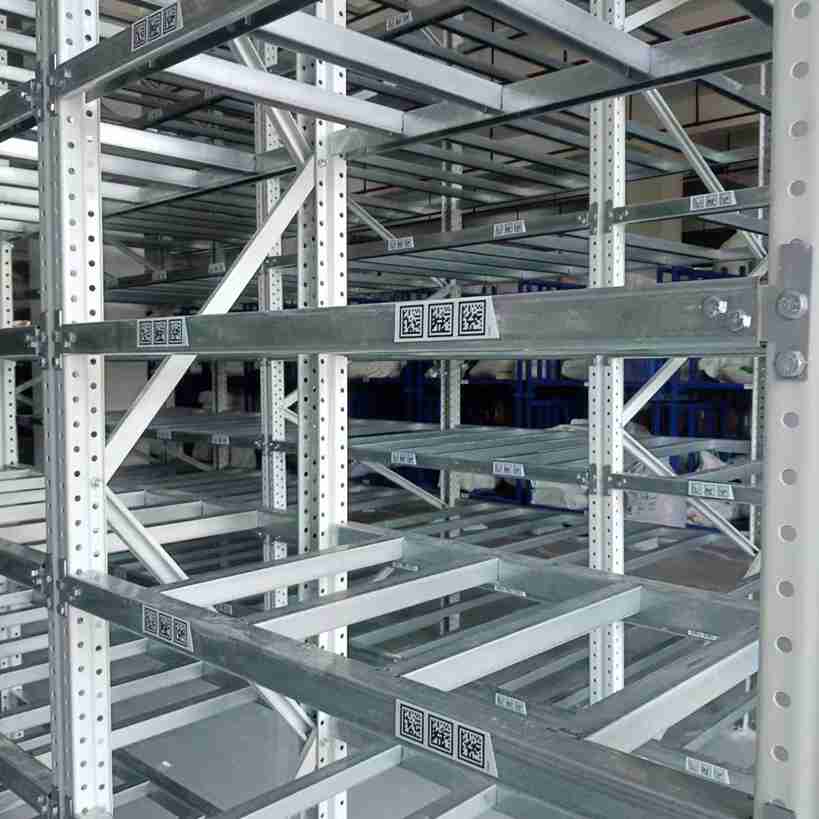
Understanding the Core: The Evolution of Standard Pallet Racking
To fully appreciate the benefits and complexities of these systems, it is essential to understand what constitutes automated standard pallet racking and how it differs from its traditional counterpart. At its heart, it involves integrating conventional standard pallet racking structures with advanced automation technologies to streamline the storage and retrieval of palletized goods. This fusion creates a highly efficient, dense, and responsive storage solution critical for modern food and beverage e-commerce warehouses. The foundation remains the reliable standard pallet racking, but its capabilities are exponentially increased through intelligent design and technological integration, pushing the boundaries of what standard pallet racking can achieve.
The Foundation: Principles of Standard Pallet Racking
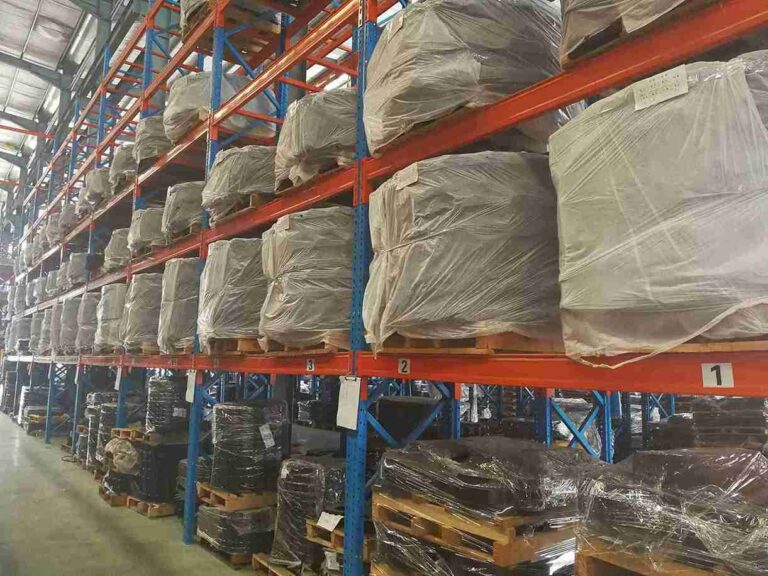
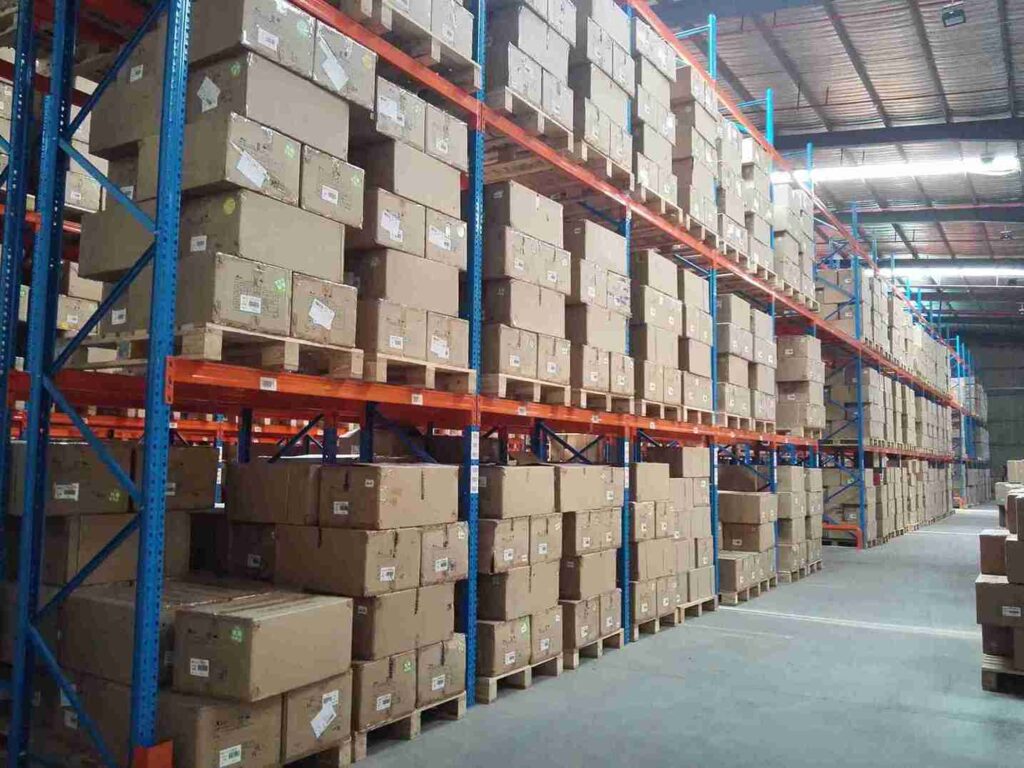
Standard pallet racking, also known as adjustable pallet racking (APR), is the most common form of storage racking. It consists of upright frames and horizontal beams that create levels for storing pallets. Its primary advantage lies in its direct accessibility to every pallet, offering excellent selectivity. This core feature is why standard pallet racking has been a warehouse staple for decades. However, in its manual form, it requires wide aisles for forklift access, which can limit storage density.
The versatility of standard pallet racking allows it to accommodate a wide range of pallet sizes and weights, making it a flexible starting point for any warehouse design. The simplicity of standard pallet racking means it is relatively straightforward to install and reconfigure, offering a cost-effective initial investment compared to more complex systems. This is why so many automation solutions are built upon the principles of standard pallet racking, leveraging its inherent strengths while augmenting its capabilities. The robust construction of standard pallet racking provides a stable base for automated systems, ensuring structural integrity and longevity.
The Automation Layer: Transforming Traditional Standard Pallet Racking
The true power of automation standard pallet racking emerges when we integrate sophisticated technologies designed to eliminate the inefficiencies of manual handling. This transformation involves replacing traditional forklifts with automated machinery that operates within the standard pallet racking structure itself. The most common and effective technologies include Automated Storage and Retrieval Systems (AS/RS) and Pallet Shuttle Systems, both of which can be integrated with a standard pallet racking framework. The seamless integration of these technologies with standard pallet racking is what defines modern automated warehouses, turning static storage into a dynamic, high-performance operation.
An AS/RS typically utilizes stacker cranes that travel along rails within the aisles of the standard pallet racking. These cranes are equipped with telescopic forks or shuttle cars that can reach into the storage locations to deposit or retrieve pallets. This system allows for extremely high-density storage, as the aisles only need to be wide enough to accommodate the crane, which is significantly narrower than a standard forklift aisle. Furthermore, stacker cranes can operate at heights far exceeding the safe limits of manual forklifts, maximizing the vertical space utilization of the standard pallet racking. The precision of AS/RS operations within standard pallet racking drastically reduces product damage and enhances inventory accuracy, making it ideal for high-value or fragile F&B products.
Pallet Shuttle Systems, on the other hand, offer a different approach to high-density automated storage within a standard pallet racking design. In this configuration, the standard pallet racking structure is designed with deep lanes. A robotic shuttle car, controlled by the WMS, runs along rails within these lanes. A conventional forklift or an automated guided vehicle (AGV) places the pallet at the entrance of the lane, and the shuttle car transports it deep into the standard pallet racking.
When retrieval is required, the shuttle brings the pallet back to the front. This system is particularly advantageous for storing large quantities of the same SKU, a common scenario in the food and beverage industry, as it provides excellent space utilization while maintaining high throughput within a standard pallet racking system. The modularity of standard pallet racking makes it ideal for shuttle integration, offering flexibility and scalability.
Comparing Automation Technologies for F&B E-commerce with Standard Pallet Racking
To better understand the nuances of these technologies, let us compare their key attributes in the context of a food and beverage e-commerce warehouse that utilizes standard pallet racking as its foundation.
Merkmal | Stacker Crane AS/RS (Integrated with Standard Pallet Racking) | Pallet Shuttle System (Integrated with Standard Pallet Racking) |
Speicherdichte | Very High (Narrow Aisles, High Vertical Reach within standard pallet racking) | Extremely High (Deep Lane Storage within standard pallet racking) |
Throughput | High (Simultaneous horizontal and vertical movement) | Very High (Multiple shuttles can operate simultaneously) |
SKU Profile Suitability | High variety of SKUs, lower volume per SKU | Low variety of SKUs, high volume per SKU |
Initial Investment | High | Moderate to High |
Flexibility | Less flexible once installed | More flexible, shuttles can be moved between lanes |
Ideal F&B Application | Diverse grocery e-commerce fulfillment | Bulk storage of fast-moving beverages or staple foods |
Choosing the right technology depends heavily on the specific operational profile of the e-commerce warehouse, including the number of SKUs, the required throughput, and the available physical space. In many advanced facilities, a hybrid approach combining both technologies is employed to optimize different zones within the warehouse, often leveraging existing standard pallet racking where feasible. This strategic selection ensures the optimal performance of the standard pallet racking system, tailored to the unique demands of the F&B e-commerce sector.
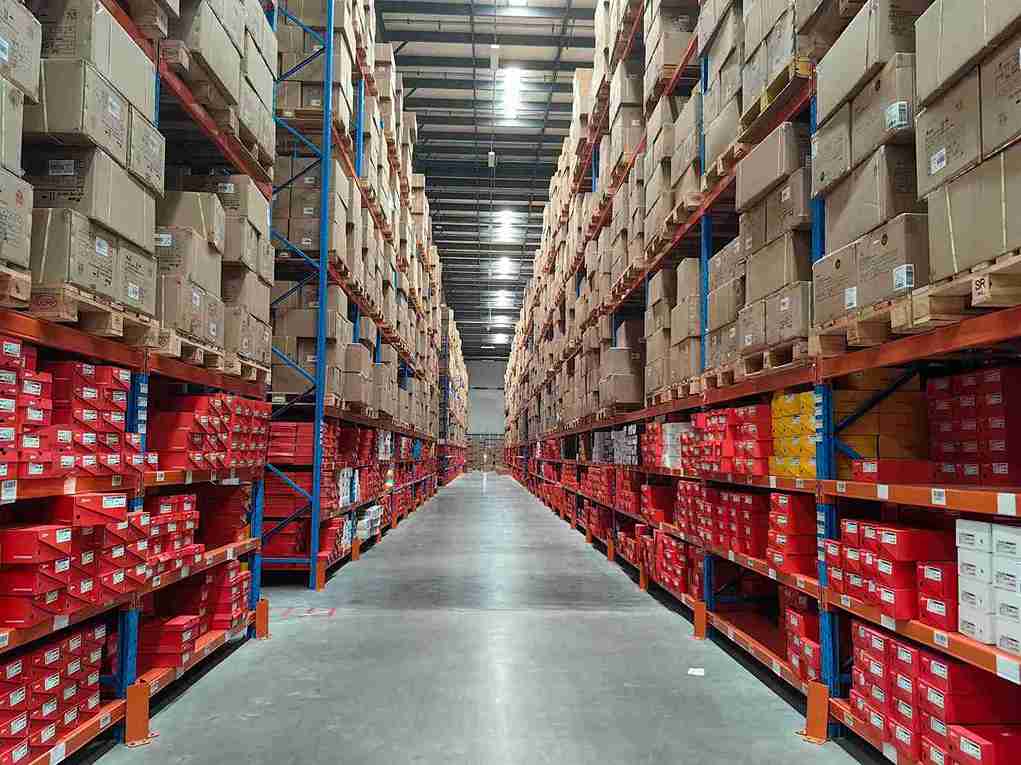
Customizing Automation Standard Pallet Racking for Emerging Markets
While the core technologies of automated standard pallet racking are universally applicable, their successful implementation in emerging markets such as Southeast Asia, the Middle East, Africa, and Latin America requires a highly customized approach. These regions present unique challenges and opportunities that must be carefully considered during the design and deployment phases. A one-size-fits-all solution is rarely effective; instead, systems must be tailored to the specific economic, environmental, and infrastructural realities of each market. This often means adapting the design of the standard pallet racking itself, ensuring it meets local demands and provides optimal performance under diverse conditions.
Addressing Environmental and Infrastructural Realities with Durable Standard Pallet Racking
Emerging markets often feature diverse and sometimes extreme environmental conditions. For instance, warehouses in the Middle East must contend with intense heat and dust, while those in Southeast Asia face high humidity and frequent heavy rainfall. The standard pallet racking and its automated components deployed in these regions must be engineered to withstand these conditions.
This might involve using specialized anti-corrosion coatings on the standard pallet racking structures, ensuring that electronic components are adequately sealed against dust and moisture, and designing robust climate control systems for the warehouse facility itself, particularly when handling perishable food and beverage products within the standard pallet racking.
Die Haltbarkeit von standard pallet racking in these environments is paramount for long-term operational success, preventing premature wear and tear and ensuring consistent performance.
Furthermore, the reliability of local infrastructure, such as the power grid, can be a concern in some developing regions. To mitigate the risk of operational downtime due to power outages, automated systems built upon standard pallet racking must be designed with robust backup power solutions, such as uninterruptible power supplies (UPS) and backup generators.
The software controlling the system must also be capable of graceful shutdowns and rapid recoveries to prevent data loss and equipment damage during power fluctuations, ensuring the integrity of the standard pallet racking system’s operation. This resilience is a key factor in the successful deployment of standard pallet racking automation, minimizing disruptions and maximizing uptime.
Tailoring Solutions to Economic and Labor Dynamics in Emerging Markets with Standard Pallet Racking
The economic landscape and labor market dynamics in emerging markets also heavily influence the design of automated warehouse solutions. While labor costs are generally lower than in developed nations, they are rising steadily. Moreover, finding skilled technicians capable of maintaining complex automated systems can be challenging. Therefore, the chosen automation standard pallet racking solution must strike a balance between capital expenditure and operational complexity.
This often involves leveraging the inherent simplicity and familiarity of standard pallet racking while introducing automation incrementally, allowing businesses to adapt at their own pace.
In many cases, a phased approach to automation is the most prudent strategy. Businesses might begin by implementing semi-automated solutions, such as pallet shuttles operated in conjunction with manual forklifts within existing standard pallet racking, before progressing to fully automated AS/RS. This allows companies to realize immediate efficiency gains while managing initial investment costs and gradually building the internal technical expertise required to operate more complex systems.
Additionally, selecting automation partners who offer comprehensive local support, training, and maintenance services is crucial for ensuring the long-term success of the investment in standard pallet racking automation. This tailored approach ensures that the standard pallet racking system evolves with the business and its market, providing sustainable growth.
Case Study: Optimizing a Beverage Distribution Center in Southeast Asia with Standard Pallet Racking
To illustrate the impact of customized automation standard pallet racking, consider the case of a major beverage distributor operating in Southeast Asia. Facing rapid e-commerce growth and severe space constraints in their urban warehouse, they needed a solution to increase storage capacity and throughput without relocating. Their existing warehouse was already equipped with a robust standard pallet racking system, but it was operated manually and inefficiently.
We partnered with them to implement a multi-deep pallet shuttle system seamlessly integrated with their existing standard pallet racking infrastructure. This strategic move allowed them to convert their conventional standard pallet racking into high-density, deep-lane storage. By intelligently utilizing multiple shuttle cars, they significantly increased their storage capacity within the same physical footprint.
The system was specifically designed to handle the heavy loads typical of beverage pallets, a common application for standard pallet racking, and was equipped with components resistant to the region’s high humidity, ensuring the longevity of the standard pallet racking and automation components. This demonstrates the adaptability of standard pallet racking to advanced automation solutions, even in challenging climates.
The results were transformative. The distributor achieved a 40% increase in storage capacity, allowing them to consolidate operations from multiple smaller facilities into one central hub. Order fulfillment speed improved by 30%, crucial for meeting the tight delivery windows demanded by their e-commerce customers. Furthermore, the reduction in forklift traffic within the aisles of the standard pallet racking significantly improved workplace safety and reduced product damage. This case exemplifies how a tailored approach to automating an existing standard pallet racking system can deliver substantial operational and financial benefits in an emerging market context, proving the enduring value and adaptability of standard pallet racking.
Analyzing the Automation Standard Pallet Racking Price: A Comprehensive Breakdown
When considering the transition to an automated facility, understanding the automation standard pallet racking Preis is paramount for decision-makers. It is crucial to recognize that the cost is not a single, fixed number but rather a complex calculation influenced by numerous variables. A comprehensive financial analysis must look beyond the initial capital expenditure (CapEx) and consider the total cost of ownership (TCO) over the system’s lifespan. The cost of the standard pallet racking itself is just one component, albeit a foundational one, within this broader financial picture.
Deconstructing the Capital Expenditure (CapEx) for Automated Standard Pallet Racking
The initial investment for an automated standard pallet racking system is substantial and comprises several key components. The physical standard pallet racking structure represents a significant portion of the cost. The price of the steel, the complexity of the engineering required to support automated equipment, and the height and density of the standard pallet racking system all factor into this expense. Systems designed for seismic zones or extreme environments will naturally incur higher structural costs for the standard pallet racking, ensuring its resilience and safety under demanding conditions.
The automation hardware is another major cost driver. This includes the stacker cranes, shuttle cars, conveyors, and any integrated AGVs or AMRs that interact with the standard pallet racking. The price of these components varies widely based on their load capacity, speed, and the level of sophistication required. For example, a high-speed stacker crane designed for a frozen food environment operating within a specialized standard pallet racking system will be significantly more expensive than a standard crane operating in an ambient warehouse. The choice of automation hardware directly impacts the functionality and efficiency of the standard pallet racking system, and thus its overall cost.
Furthermore, the software and control systems are critical investments. The Warehouse Control System (WCS) and the integration with the overarching Warehouse Management System (WMS) are essential for orchestrating the automated movements within the standard pallet racking. The cost of software licenses, customization, and integration services can be substantial but is vital for realizing the full potential of the physical hardware. Finally, installation, commissioning, and project management fees for the entire automated standard pallet racking system must be factored into the total CapEx. This holistic view of the standard pallet racking project ensures all costs are accounted for, providing a clear financial roadmap.
Understanding the Total Cost of Ownership (TCO) for Standard Pallet Racking Automation
While the CapEx is the most visible cost, the Total Cost of Ownership (TCO) provides a more accurate picture of the financial commitment. TCO encompasses all costs associated with operating and maintaining the system over its useful life. When evaluating the automation standard pallet racking Preis, it is essential to compare the TCO of the automated system against the TCO of a manual operation.
While the automated system has a higher CapEx, its lower ongoing operational costs—driven by reduced labor dependency, minimized product damage, and optimized space utilization—often result in a lower TCO over a 5 to 10-year horizon. This makes the investment in standard pallet racking automation a financially sound decision in the long run, offering significant returns beyond the initial standard pallet racking cost and contributing to sustainable profitability.
Cost Category | Description | Impact on TCO for Automated Standard Pallet Racking |
Maintenance and Support | Regular servicing, spare parts, and software updates for the standard pallet racking and automation components. | Ongoing, predictable expense. Crucial for maximizing uptime and extending the life of the standard pallet racking system, ensuring continuous operation. |
Energy Consumption | Power required to run cranes, shuttles, and conveyors interacting with the standard pallet racking. | Variable. Modern systems often feature energy recovery technologies to mitigate this cost, making automated standard pallet racking more sustainable and environmentally friendly. |
Labor (Skilled) | Salaries for technicians and system operators managing the standard pallet racking automation. | Higher individual salaries than manual labor, but fewer personnel required overall, leading to net savings and a more efficient workforce. |
Insurance and Taxes | Premiums based on facility value and risk profile, including the standard pallet racking infrastructure. | Often lower due to improved safety and reduced product damage, reflecting the reduced risk and enhanced security of automated standard pallet racking. |
Downtime Costs | Financial impact of system failures or interruptions within the standard pallet racking System. | Minimized through proactive maintenance and robust system design, ensuring continuous operation of the standard pallet racking and uninterrupted workflow. |
Achieving a Compelling ROI with Automated Standard Pallet Racking
Justifying the investment in automated standard pallet racking requires a clear demonstration of a strong Return on Investment (ROI). For food and beverage e-commerce businesses, particularly those expanding in emerging markets, the ROI calculation must encompass both tangible cost savings and intangible strategic benefits derived from upgrading their standard pallet racking.
Quantifying Tangible Cost Savings from Upgrading Standard Pallet Racking
The most direct contributors to ROI are the tangible cost savings generated by the automated system. The most significant of these is typically the reduction in labor costs. By automating the storage and retrieval processes within the standard pallet racking, warehouses can operate with significantly fewer manual laborers. This not only reduces payroll expenses but also mitigates the costs associated with recruitment, training, and employee turnover, which can be particularly high in the demanding environment of a food and beverage warehouse.
The efficiency of automated standard pallet racking directly translates to labor savings, a critical factor in competitive markets.
Space optimization is another major driver of tangible savings. By maximizing storage density within the standard pallet racking, businesses can store more inventory within their existing footprint, delaying or eliminating the need for costly facility expansions or the leasing of additional warehouse space.
In urban centers within emerging markets, where real estate is at a premium, this saving alone can often justify a significant portion of the automation investment for a standard pallet racking system. This intelligent use of space, facilitated by standard pallet racking automation, is a critical financial advantage, freeing up capital for other investments.
Furthermore, automated systems drastically reduce product damage and inventory shrinkage. The precise handling of pallets by automated equipment minimizes the accidental drops and collisions common in manual forklift operations around standard pallet racking. Additionally, the strict enforcement of FIFO/FEFO inventory rotation by the WMS within the automated standard pallet racking significantly reduces spoilage and waste, a critical factor when handling perishable food and beverage products. This reduction in waste directly impacts the profitability of the standard pallet racking system, contributing to a healthier bottom line.
Factoring in Strategic and Intangible Benefits of Automated Standard Pallet Racking
While tangible savings are crucial, the strategic benefits of automation standard pallet racking often provide the most significant long-term value, even if they are harder to quantify precisely. The dramatic increase in operational speed and throughput directly impacts customer satisfaction. In the highly competitive e-commerce landscape, the ability to fulfill orders rapidly and accurately is a key differentiator. Faster delivery times lead to higher customer retention rates and increased market share, all supported by an efficient standard pallet racking system. The enhanced responsiveness of standard pallet racking automation is a powerful competitive tool, fostering customer loyalty and driving repeat business.
Moreover, the enhanced accuracy and traceability provided by automated systems are invaluable for brand reputation and regulatory compliance. In the event of a product recall, the ability to instantly locate and isolate affected batches within the standard pallet racking can prevent a minor issue from escalating into a major crisis. The improved safety environment also contributes to a more positive corporate image and can aid in attracting and retaining top talent for supervisory and technical roles.
When calculating the ROI, businesses must take a holistic view, combining the hard numbers of cost reduction with the strategic advantages of increased capacity, improved customer service, and enhanced operational resilience. In the fast-paced world of food and beverage e-commerce, the cost of not automating—measured in lost sales, inefficient operations, and inability to scale—often far exceeds the automation standard pallet racking Preis. The strategic value of standard pallet racking automation extends far beyond mere cost savings, positioning businesses for long-term success.
Maintenance, Safety, and Long-Term Reliability of Standard Pallet Racking
The long-term success of any automated standard pallet racking system hinges on rigorous maintenance protocols and a steadfast commitment to safety. These systems are complex integrations of heavy machinery, intricate electronics, and sophisticated software. Ensuring their continuous, reliable operation is paramount for maintaining the high throughput required by food and beverage e-commerce. The structural integrity of the standard pallet racking is a key component of this reliability, demanding careful attention and proactive management.
Proactive Maintenance Strategies for Standard Pallet Racking
Moving away from reactive maintenance—fixing things only when they break—is essential for automated warehouses. A proactive, preventative maintenance strategy is required to minimize downtime and extend the lifespan of the equipment. This involves regular, scheduled inspections of all mechanical and electrical components, including the standard pallet racking structure itself, the stacker cranes, shuttle cars, and conveyor systems. Regular checks on the standard pallet racking ensure its stability and safety under heavy loads.
Modern automated systems increasingly rely on predictive maintenance technologies. By utilizing sensors to monitor the condition of critical components in real-time—such as tracking the vibration of motors or the temperature of bearings—the system can alert technicians to potential failures before they occur. This allows for maintenance to be scheduled during planned downtime, preventing unexpected and costly operational interruptions.
Partnering with the system manufacturer or a specialized service provider for ongoing maintenance support is highly recommended, especially in emerging markets where in-house technical expertise may be developing for standard pallet racking systems. This proactive approach ensures the longevity and efficiency of the standard pallet racking, safeguarding the investment.
Prioritizing Safety in Automated Environments with Standard Pallet Racking
Während automation significantly reduces the risks associated with manual forklift operations, it introduces new safety considerations. The primary safety principle in an automated warehouse is the strict separation of human workers from moving automated equipment. This is achieved through physical barriers, safety fencing, and sophisticated access control systems around the standard pallet racking area.
When maintenance or intervention is required within the automated zone, rigorous Lockout/Tagout (LOTO) procedures must be enforced to ensure that all equipment is completely de-energized and cannot be accidentally activated. Furthermore, the standard pallet racking structures themselves must be regularly inspected for any signs of damage or stress, as the high-speed movement of automated cranes can exacerbate minor structural issues.
Comprehensive safety training for all personnel, emphasizing the specific hazards of the automated standard pallet racking environment, is a non-negotiable requirement. This commitment to safety ensures a secure and productive environment around the standard pallet racking, protecting both personnel and assets.
Future Trends: The Evolution of Standard Pallet Racking in F&B E-commerce Warehousing
The landscape of warehouse automation is continually evolving, driven by rapid technological advancements and the ever-increasing demands of the e-commerce sector. For businesses investing in automation standard pallet racking, understanding these future trends is crucial for ensuring their facilities remain competitive and adaptable. The future of standard pallet racking is intelligent and integrated, promising even greater efficiencies and operational capabilities.
The Rise of Artificial Intelligence and Machine Learning in Standard Pallet Racking
Artificial Intelligence (AI) and Machine Learning (ML) are poised to revolutionize warehouse management. In the context of automated pallet racking, AI algorithms will increasingly be used to optimize storage locations dynamically within the standard pallet racking. By analyzing historical order data and predicting future demand patterns, the WMS can direct the automated equipment to position fast-moving SKUs closer to the dispatch area, further reducing retrieval times and increasing overall throughput of the standard pallet racking System.
ML will also play a critical role in enhancing predictive maintenance capabilities. By analyzing vast amounts of sensor data from the automated equipment, ML models can identify subtle patterns that precede component failures with unprecedented accuracy, allowing for even more efficient and targeted maintenance interventions for standard pallet racking and its automated components. This intelligent optimization of standard pallet racking will be a game-changer, driving unprecedented levels of efficiency and responsiveness.
Increased Integration of Robotics and Flexible Automation with Standard Pallet Racking
While rigid AS/RS systems will continue to play a vital role in high-density storage, we will see an increased integration of more flexible robotic solutions, such as Autonomous Mobile Robots (AMRs), with standard pallet racking. AMRs can navigate the warehouse autonomously, transporting pallets between the automated standard pallet racking systems and other areas, such as picking stations or loading docks.
This flexibility allows for more dynamic warehouse layouts and easier adaptation to changing operational needs, making the standard pallet racking even more versatile. Furthermore, advancements in robotic picking technologies will increasingly automate the process of picking individual items from pallets, further reducing the reliance on manual labor in the fulfillment process.
The warehouse of the future will likely be a highly orchestrated ecosystem where automated standard pallet racking, AMRs, and robotic picking arms work seamlessly together, controlled by an intelligent, AI-driven WMS. For food and beverage e-commerce businesses in emerging markets, embracing these technologies will be the key to unlocking unprecedented levels of efficiency and customer satisfaction, all built upon a foundation of robust standard pallet racking.
The Role of Data Analytics in Warehouse Optimization with Standard Pallet Racking
Beyond just controlling the physical movement of goods, data analytics will become increasingly sophisticated in optimizing food and beverage e-commerce warehouses. By analyzing vast datasets on inventory levels, order patterns, delivery routes, and even external factors like weather and local events, businesses can make more informed decisions.
This includes optimizing inventory placement within the automated standard pallet racking, predicting demand fluctuations with greater accuracy, and fine-tuning delivery schedules to minimize costs and maximize customer satisfaction. For emerging markets, where data infrastructure might be less mature, the ability to leverage these analytical tools will be a significant competitive advantage, especially when applied to the efficient management of standard pallet racking. The insights gained from data analytics will drive continuous improvement in standard pallet racking operations, leading to more agile and responsive supply chains.
Sustainability and Green Warehousing with Standard Pallet Racking
As global awareness of environmental issues grows, sustainability will become a key consideration in warehouse automation. Future automated standard pallet racking systems will be designed with energy efficiency at their core, incorporating features like regenerative braking on cranes and optimized power consumption modes. The integration of renewable energy sources, such as solar panels, will become more common.
Furthermore, the ability of automated systems to reduce waste through precise inventory management and optimized logistics will contribute significantly to a greener supply chain. This focus on sustainability will not only benefit the environment but also enhance brand reputation and potentially lead to cost savings through reduced energy consumption and waste disposal fees. The efficient operation of standard pallet racking within an automated system directly supports these green initiatives, making standard pallet racking a component of sustainable logistics and a responsible business practice.
Navigating the Procurement Process: Finding the Right Automation Partner for Standard Pallet Racking
Embarking on an automation standard pallet racking project is a significant undertaking, requiring meticulous planning and the selection of a reliable partner. For food and beverage e-commerce warehouses in emerging markets, this process can be particularly complex due to varying local regulations, infrastructure capabilities, and market dynamics. Choosing the right automation provider, one with deep expertise in standard pallet racking and its automation, is as crucial as selecting the right technology itself. Their understanding of how to best integrate automation with existing or new standard pallet racking is key to project success and long-term operational efficiency.
Key Considerations When Selecting an Automation Partner for Standard Pallet Racking
When evaluating potential partners for your automated standard pallet racking project, several factors should guide your decision. Experience in the food and beverage industry is paramount. A partner with a proven track record in designing and implementing solutions for perishable goods, cold chain management, and high-volume e-commerce fulfillment will understand the unique challenges and regulatory requirements of your sector. Their expertise will be invaluable in designing a system that not only meets your current needs but is also scalable for future growth, ensuring the optimal utilization of your standard pallet racking.
The partner’s deep knowledge of standard pallet racking applications in F&B is non-negotiable, as is their ability to provide tailored solutions.
Furthermore, local presence and support are critical, especially in emerging markets. A partner with local offices, service technicians, and spare parts availability can ensure rapid response times for maintenance and support, minimizing potential downtime. They should also possess a deep understanding of local building codes, safety regulations, and labor laws, ensuring that the implemented solution for standard pallet racking is fully compliant.
Training and knowledge transfer are also essential; a good partner will provide comprehensive training for your staff on how to operate, maintain, and troubleshoot the automated system, including its standard pallet racking components. This ensures a smooth transition and long-term operational excellence for your standard pallet racking system, empowering your workforce.
The Importance of a Phased Implementation Strategy for Standard Pallet Racking Automation
For many businesses in emerging markets, a phased implementation strategy can be a more manageable and less risky approach to warehouse automation. Instead of a complete overhaul, which can be capital-intensive and disruptive, a phased approach allows for incremental investment and gradual integration of automated systems.
This might involve automating a specific section of the warehouse first, such as the high-volume picking area or the cold storage zone, perhaps by introducing shuttle systems into existing standard pallet racking, and then expanding the automation footprint as the business grows and ROI is demonstrated. This approach allows for a controlled evolution of standard pallet racking, minimizing disruption and optimizing investment. The adaptability of standard pallet racking to phased automation is a significant advantage, allowing businesses to adapt to new technologies at a sustainable pace.
Case Studies: Success Stories in Emerging Markets with Standard Pallet Racking
To further illustrate the tangible benefits of automation standard pallet racking, let us explore a few hypothetical case studies from different emerging markets, showcasing how tailored solutions have addressed specific challenges and delivered significant value.
Case Study 1: Rapid Expansion in Southeast Asia with Standard Pallet Racking
A leading online grocery retailer in Vietnam was struggling to keep pace with explosive demand growth. Their existing manual warehouse, primarily utilizing conventional standard pallet racking, was rapidly reaching its capacity limits, leading to frequent stock-outs, delayed deliveries, and increasing labor costs. The critical challenge was to significantly increase storage density and throughput within their existing facility, located in a high-cost urban area, without disrupting ongoing operations or requiring a complete replacement of their robust standard pallet racking infrastructure.
We partnered with them to implement a multi-deep pallet shuttle system seamlessly integrated with their existing standard pallet racking infrastructure. This strategic move allowed them to convert their conventional standard pallet racking into high-density, deep-lane storage. By intelligently utilizing multiple shuttle cars, they significantly increased their storage capacity within the same physical footprint.
The system was specifically designed to handle the heavy loads typical of beverage pallets, a common application for standard pallet racking, and was equipped with components resistant to the region’s high humidity, ensuring the longevity of the standard pallet racking and automation components. This demonstrates the adaptability of standard pallet racking to advanced automation solutions, even in challenging climates, and its ability to support rapid e-commerce growth.
Case Study 2: Cold Chain Optimization in the Middle East with Standard Pallet Racking
An e-commerce platform specializing in imported frozen and chilled foods in Saudi Arabia faced immense challenges in maintaining product integrity and managing expiry dates. Their manual cold storage warehouse, which relied on traditional standard pallet racking, experienced high levels of product damage and waste due to inefficient handling and poor inventory rotation.
The extreme ambient temperatures also made manual operations within the standard pallet racking difficult and costly, posing significant risks to both products and personnel.
We designed and implemented an Automated Storage and Retrieval System (AS/RS) specifically tailored for their cold chain requirements. The AS/RS operated within a fully insulated and temperature-controlled environment, minimizing human exposure to harsh conditions. The system’s WMS was configured to strictly enforce FEFO (First-Expiry, First-Out) inventory rotation, ensuring that products nearing their expiry date were prioritized for dispatch.
Die standard pallet racking structure was designed with specialized coatings to withstand the extreme cold and prevent corrosion, ensuring the long-term integrity of the storage system. This case highlights the importance of specialized standard pallet racking for cold chain logistics, where precision and environmental control are paramount.
Case Study 3: Scalable Growth in Latin America with Standard Pallet Racking
A rapidly growing online beverage distributor in Brazil needed a scalable warehousing solution to support their expansion across multiple states. Their existing manual warehouse, primarily equipped with standard pallet racking, was struggling with peak season demand, leading to bottlenecks and customer dissatisfaction. They required a system that could handle high volumes of palletized goods, a typical use case for standard pallet racking, and be easily expanded as their business grew.
We proposed a flexible pallet shuttle system that could be incrementally expanded, seamlessly integrating with their existing standard pallet racking. The initial phase involved automating a portion of their warehouse with a multi-deep shuttle system, allowing for high-density storage of their most popular beverage SKUs within the modified standard pallet racking.
The system was designed with modularity in mind, enabling easy addition of more shuttle cars and racking lanes to the standard pallet racking in subsequent phases. The WMS was integrated with their existing ERP system to provide seamless inventory management and order processing, further enhancing the utility of their standard pallet racking investment. This demonstrates how standard pallet racking can be a foundation for scalable automated solutions, supporting aggressive business growth in dynamic markets.
The Future is Automated: Why Act Now?
The evidence is clear: the future of food and beverage e-commerce warehousing, especially in emerging markets, is inextricably linked with automation. The relentless pace of digital transformation, coupled with evolving consumer expectations, means that businesses can no longer afford to rely solely on traditional, manual warehousing methods, even those utilizing basic standard pallet racking. The competitive landscape demands efficiency, accuracy, and scalability that only advanced automated standard pallet racking systems, an evolution of the reliable standard pallet racking, can provide.
Delaying the adoption of warehouse automation, particularly the upgrade from conventional standard pallet racking to automated solutions, is not merely maintaining the status quo; it is falling behind. Competitors who embrace these technologies, including advanced standard pallet racking systems, will gain significant advantages in terms of operational costs, customer satisfaction, and market share. The initial investment in automated standard pallet racking, while substantial, is a strategic one that yields long-term returns, transforming a cost center into a competitive asset. The proactive adoption of standard pallet racking automation is a strategic imperative for any F&B e-commerce business aiming for market leadership.
For businesses in Southeast Asia, the Middle East, Africa, and Latin America, the opportunity to leapfrog traditional infrastructure and adopt cutting-edge automation solutions, including sophisticated standard pallet racking systems, is immense. These markets are ripe for innovation, and early adopters of automated standard pallet racking stand to gain a significant first-mover advantage. The time to explore, plan, and implement automation standard pallet racking is now, ensuring your food and beverage e-commerce warehouse is not just ready for the future, but actively shaping it. The strategic deployment of standard pallet racking automation is key to market leadership and sustained competitive advantage.
Schlussfolgerung
In conclusion, the rapid expansion of food and beverage e-commerce across global emerging markets necessitates a fundamental shift in warehousing strategies. Automation standard pallet racking, building upon the proven reliability of standard pallet racking, emerges as a pivotal solution, offering unparalleled benefits in storage density, operational efficiency, product integrity, and scalability.
From mitigating the challenges of perishability and SKU proliferation to optimizing space utilization and reducing labor costs, these advanced standard pallet racking systems provide a robust framework for sustainable growth. While the automation standard pallet racking Preis requires careful consideration of both capital expenditure and total cost of ownership, the long-term ROI, driven by enhanced throughput, reduced waste, and improved customer satisfaction, makes it an indispensable investment.
By embracing customized solutions tailored to local environmental, economic, and infrastructural realities, businesses in Southeast Asia, the Middle East, Africa, and Latin America can transform their food and beverage e-commerce warehouses into highly competitive, future-proof operations. The journey towards a fully automated warehouse, often starting with the optimization of standard pallet racking, is a strategic imperative, promising not just operational excellence but a significant competitive edge in the dynamic global marketplace. The future of warehousing is built on intelligent standard pallet racking, driving efficiency and profitability for the F&B e-commerce sector.
Q1: How does automation specifically help with managing perishable food items in a standard pallet racking system?
Automation significantly aids in managing perishable food items by enabling precise temperature control within cold storage areas, minimizing human exposure to these environments. Integrated Warehouse Management Systems (WMS), working in conjunction with automated standard pallet racking, can strictly enforce First-Expiry, First-Out (FEFO) or First-In, First-Out (FIFO) inventory rotation, ensuring that products with shorter shelf lives are dispatched first from the standard pallet racking.
This meticulous management reduces spoilage and waste, which is critical for food and beverage products stored in any standard pallet racking system. The precise control offered by automated standard pallet racking is crucial for maintaining product quality and extending shelf life.
Q2: What are the typical lead times for implementing an automated standard pallet racking system in an emerging market?
The typical lead times for implementing an automated standard pallet racking System can vary significantly based on the complexity of the system, the size of the warehouse, and local logistical challenges. Generally, from initial consultation and design to full commissioning of the standard pallet racking and its automation, the process can take anywhere from 9 to 24 months.
Factors like equipment manufacturing, shipping to emerging markets, local installation expertise for standard pallet racking, and integration with existing IT infrastructure all contribute to the timeline. Careful planning for the deployment of standard pallet racking automation is essential to ensure a smooth and timely transition.
Q3: Can existing standard pallet racking be upgraded to an automated system, or is a complete replacement always necessary?
In many cases, existing standard pallet racking can be partially or fully integrated into an automated system, especially with solutions like pallet shuttle systems. This often involves modifying the existing standard pallet racking structure to accommodate shuttle rails and automated equipment.
A complete replacement of standard pallet racking is not always necessary, and a phased upgrade can be a cost-effective way to introduce automation, particularly for businesses in emerging markets looking to manage initial investment. A thorough assessment by an automation expert is required to determine the feasibility of automating existing standard pallet racking. This flexibility makes standard pallet racking a versatile foundation for automation, allowing for cost-effective upgrades.
Q4: How does an automated system handle unexpected power outages or technical malfunctions in a warehouse with standard pallet racking?
Reputable automated standard pallet racking systems are meticulously designed with contingencies for power outages and technical malfunctions. This includes robust backup power solutions like Uninterruptible Power Supplies (UPS) and generators to ensure graceful shutdowns and prevent data loss within the standard pallet racking System.
The system’s software is also designed for rapid recovery, allowing operations to resume quickly once power is restored. Furthermore, many systems, including those built on standard pallet racking, have manual override capabilities for emergency situations, and a strong local support team from the automation partner is crucial for quick troubleshooting and repair of the standard pallet racking and its components. The resilience of standard pallet racking automation is a key design consideration, ensuring business continuity.
Q5: What kind of training is provided for warehouse staff when transitioning to an automated standard pallet racking system?
Comprehensive training is a critical component of any successful warehouse automation project involving standard pallet racking. Training typically covers the operation of the automated standard pallet racking equipment, interaction with the Warehouse Management System (WMS), basic troubleshooting specific to standard pallet racking and its automated components, and safety protocols for working in an automated environment.
Training is usually provided by the automation partner and can include on-site instruction, digital modules, and ongoing support. The goal is to empower the existing workforce to effectively manage and leverage the new automated capabilities of their standard pallet racking system. This ensures a smooth and efficient operation of the standard pallet racking automation, maximizing user adoption and system performance.
Wenn Sie perfekte CAD-Zeichnungen und Kostenvoranschläge für Lagerregale benötigen, Bitte kontaktieren Sie uns. Wir bieten Ihnen kostenlose Dienstleistungen und Angebote zur Planung und Gestaltung von Lagerregalen. Unsere E-Mail Adresse ist: jili@geelyracks.com