📐 "أول 50 استفسار مؤسسي يحصل على تصميم مستودع ثلاثي الأبعاد مخصص" الخطة















Introduction: Revolutionizing Automotive Parts Storage Efficiency
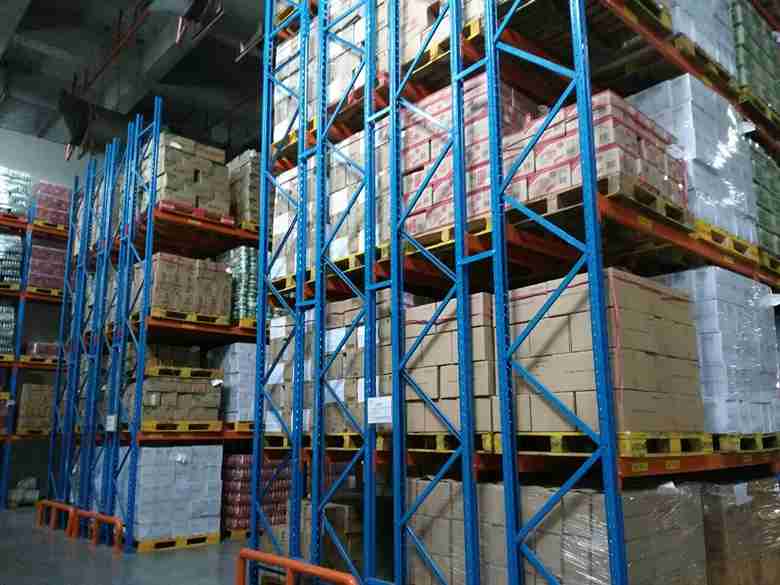
In today’s competitive automotive parts distribution sector, warehouse managers face mounting pressure to store more inventory in less space while maintaining quick access to components. Double deep racking for automotive parts has emerged as the premier storage solution, offering unmatched space optimization without sacrificing operational efficiency. This definitive guide explores why double deep racking for automotive parts outperforms traditional systems, how to implement it effectively, and the measurable benefits it delivers to auto parts warehouses and distributors.
For businesses handling everything from small fasteners to bulky transmissions,double deep racking for automotive parts provides the perfect balance between storage density and accessibility. By the end of this guide, warehouse operators will understand exactly how to leverage this system to reduce costs, improve workflow, and future-proof their storage infrastructure.
H1: Why Double Deep Racking for Automotive Parts is the Industry Standard
H2: The Unique Storage Challenges of Automotive Components
Automotive parts present some of the most complex storage requirements in industrial warehousing:
- Extreme size variations (from spark plugs to complete axle assemblies)
- Heavy individual unit weights (transmissions averaging 150-400 lbs)
- High SKU counts (typical warehouses stock 5,000-50,000 part numbers)
- Mixed velocity profiles (fast-moving filters vs. slow-moving body panels)
Double deep racking for automotive parts directly addresses these challenges through its innovative two-pallet-deep configuration. Unlike single-deep systems that waste valuable square footage on excessive aisles, this solution effectively doubles storage capacity while maintaining reasonable access times.
H2: Quantifiable Benefits for Auto Parts Warehouses
- Space Utilization – Achieves 85-90% floor space efficiency compared to 60-65% with selective racking
- Cost Reduction – Lowers real estate costs per pallet position by 30-40%
- Operational Efficiency – Enables 15-20% faster pallet moves with narrow-aisle equipment
- Inventory Capacity – Stores 50-75% more parts in the same building footprint
- Future Flexibility – Easily reconfigurable as product mix and volumes evolve
Industry data shows warehouses implementing double deep racking for automotive parts typically see ROI within 18-24 months through these combined efficiencies.
H1: Technical Comparison: How Double Deep Outperforms Alternative Systems
H2: Head-to-Head: Double Deep vs. Selective Racking
| الميزة | أرفف عميقة مزدوجة | الأرفف الانتقائية |
|---|---|---|
| Pallets per Bay | 2 | 1 |
| Aisle Width | 9-11 ft | 12-14 ft |
| كثافة التخزين | High (85%+) | Medium (60-65%) |
| Access Speed | Moderate | Fastest |
| Best For | Bulk storage | Fast-moving SKUs |
Double deep racking for automotive parts proves superior for 80% of typical automotive inventory, particularly:
- Medium-velocity parts (monthly turns)
- Bulk components (filters, brake pads, fluids)
- Large assemblies stored on standard pallets
H2: When to Choose Double Deep Over Drive-In/Drive-Through
While drive-in systems offer even higher density, double deep racking for automotive parts provides critical advantages:
- Maintains FIFO inventory rotation (crucial for dated components)
- Eliminates the “dead-end” problem of drive-in lanes
- Reduces product damage risk from deep lane maneuvering
A Midwest-based auto parts distributor reported 37% fewer inventory damages after transitioning from drive-in to double deep racking for automotive parts.
H1: Engineering the Perfect Double Deep Setup for Auto Parts
H2: Structural Specifications for Heavy-Duty Storage
Properly configured double deep racking for automotive parts requires:
- 3″ x 1.5″ heavy-duty upright frames (12-14 gauge steel)
- Step-beams with 5,000-6,000 lb capacity per pair
- Industrial-grade wire decking for small parts containment
- 6″ column protectors at all aisle intersections
H2: Specialized Equipment Requirements
To maximize the potential of double deep racking for automotive parts, warehouses need:
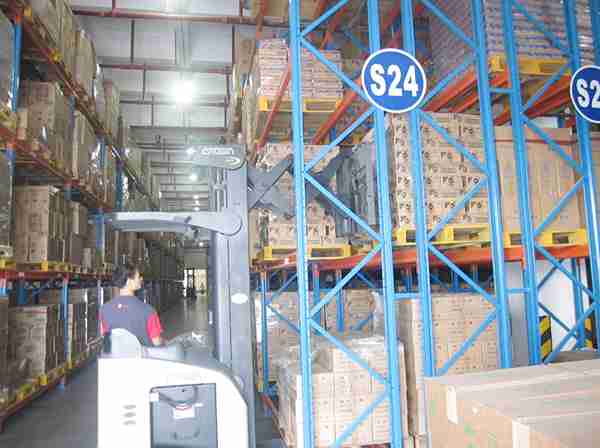
- Narrow-Aisle Reach Trucks with 18-24 ft lift heights
- Double-Deep Reach Attachments (extendable forks)
- Guidance Systems (laser or wire-guided for precision)
Leading forklift manufacturers now offer purpose-built trucks specifically designed for double deep racking for automotive parts environments.
H1: Advanced Implementation Strategies
H2: Zone-Based Storage Optimization
Smart warehouses divide their double deep racking for automotive parts into strategic zones:
- Fast-Moving Zone – First pallet positions for top 20% SKUs
- Bulk Storage Zone – Deeper positions for seasonal/slow items
- Oversized Zone – Custom configurations for large assemblies
H2: Inventory Management Integration
Modern double deep racking for automotive parts systems integrate seamlessly with:
- WMS slotting optimization algorithms
- RFID real-time location tracking
- Automated replenishment triggers
A Southeastern auto parts DC achieved 99.2% inventory accuracy after implementing RFID with their double deep racking for automotive parts system.
H1: Safety and Maintenance Protocols
H2: Essential Safety Features
All double deep racking for automotive parts installations must include:
- Aisle-specific speed limits (3-5 mph max)
- Impact monitoring systems
- Annual structural integrity inspections
H2: Preventative Maintenance Checklist
- Monthly – Beam level verification
- Quarterly – Anchor bolt torque checks
- Biannual – Full structural alignment survey
H1: The Future of Automotive Parts Storage
Emerging trends in double deep racking for automotive parts include:
- Automated storage/retrieval (AS/RS) integration
- Dynamic load-sensing beam technology
- AI-powered slotting optimization
Conclusion: Transforming Automotive Parts Logistics
For any operation storing 50+ pallets of automotive components,double deep racking for automotive parts delivers unmatched operational and financial benefits. By implementing the strategies outlined here, warehouses can expect:
✅30-50% increased storage capacity
✅20-35% improved labor efficiency
✅15-25% lower operational costs
The time to upgrade to double deep racking for automotive parts is now—contact our storage experts today for a customized space analysis.
FAQs
1. What’s the maximum weight capacity for double deep racking with automotive parts?
Properly engineered systems support up to 6,000 lbs per pallet position—sufficient for most transmission and engine assemblies.
2. How do we handle small parts in double deep configurations?
Wire decking with dividers creates secure bins for small components while maintaining palletized storage efficiency.
3. Can we mix double deep and other systems in one facility?
Absolutely—most successful implementations use hybrid approaches matching storage method to product velocity.
4. What lighting improvements help with double deep storage?
High-bay LED fixtures with motion sensors provide optimal visibility while reducing energy costs by 40-60%.
5. How does double deep racking impact insurance costs?
Properly installed systems typically qualify for 5-8% premium reductions due to improved safety and damage prevention.