📐 "أول 50 استفسار مؤسسي يحصل على تصميم مستودع ثلاثي الأبعاد مخصص" الخطة















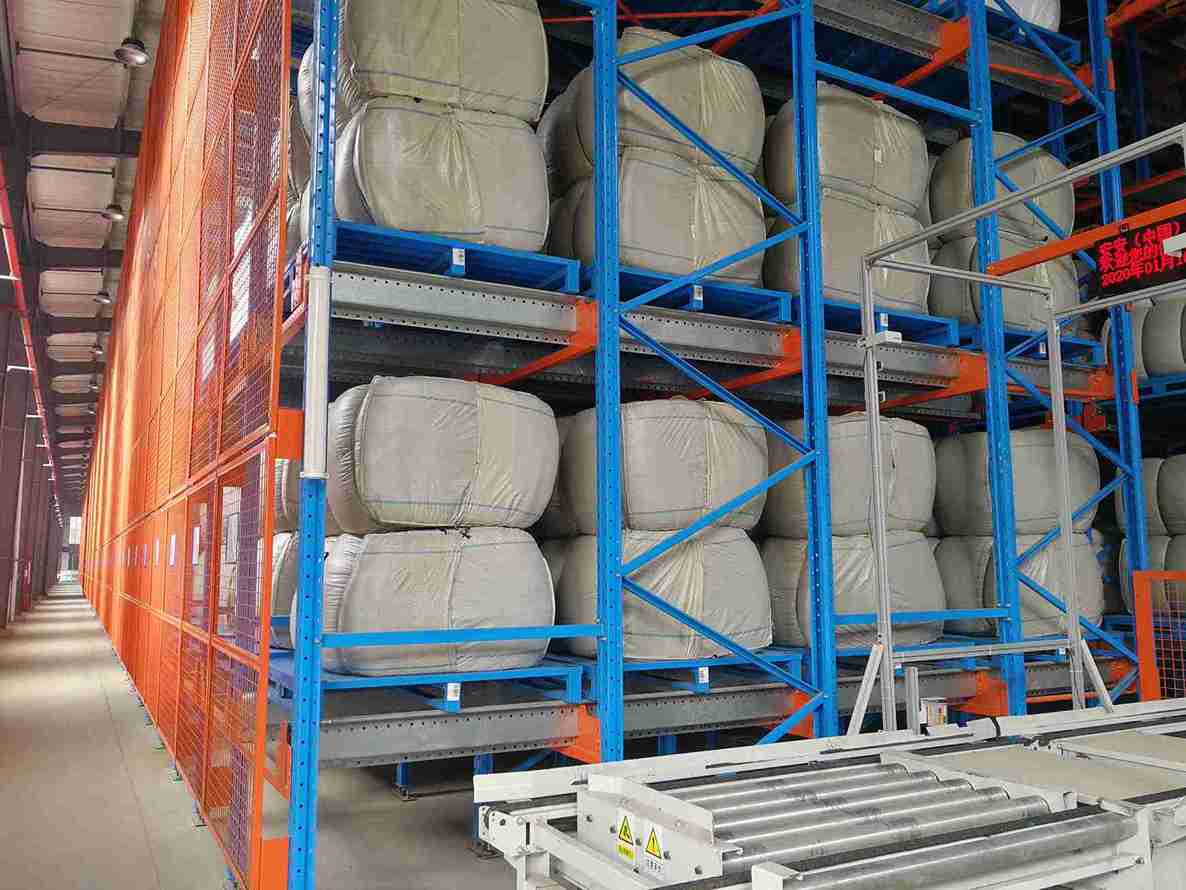
Introduction: The Rise of Robotic Pallet Handling Systems in Modern Warehousing
The warehousing and logistics sector is experiencing a seismic shift, fueled by automation, artificial intelligence, and smart storage solutions. At the heart of this transformation are robotic pallet handling systems, which are redefining how warehouses store, retrieve, and transport goods.
Unlike traditional pallet racking designed for forklifts,robotic pallet handling systems are built for precision, speed, and scalability. These systems integrate seamlessly with autonomous mobile robots (AMRs), automated guided vehicles (AGVs), and robotic palletizers, eliminating inefficiencies and boosting productivity.
يستكشف هذا الدليل المتعمق:
- The critical components of robotic pallet handling systems
- How they outperform manual and semi-automated alternatives
- The best racking configurations for robotic integration
- ROI and cost considerations for warehouses transitioning to automation
- Emerging innovations in robotic pallet handling technology
بالنسبة لـ3PL providers, e-commerce fulfillment centers, and manufacturing warehouses, adopting robotic pallet handling systems is no longer optional—it’s a competitive necessity.
1. What Are Robotic Pallet Handling Systems?
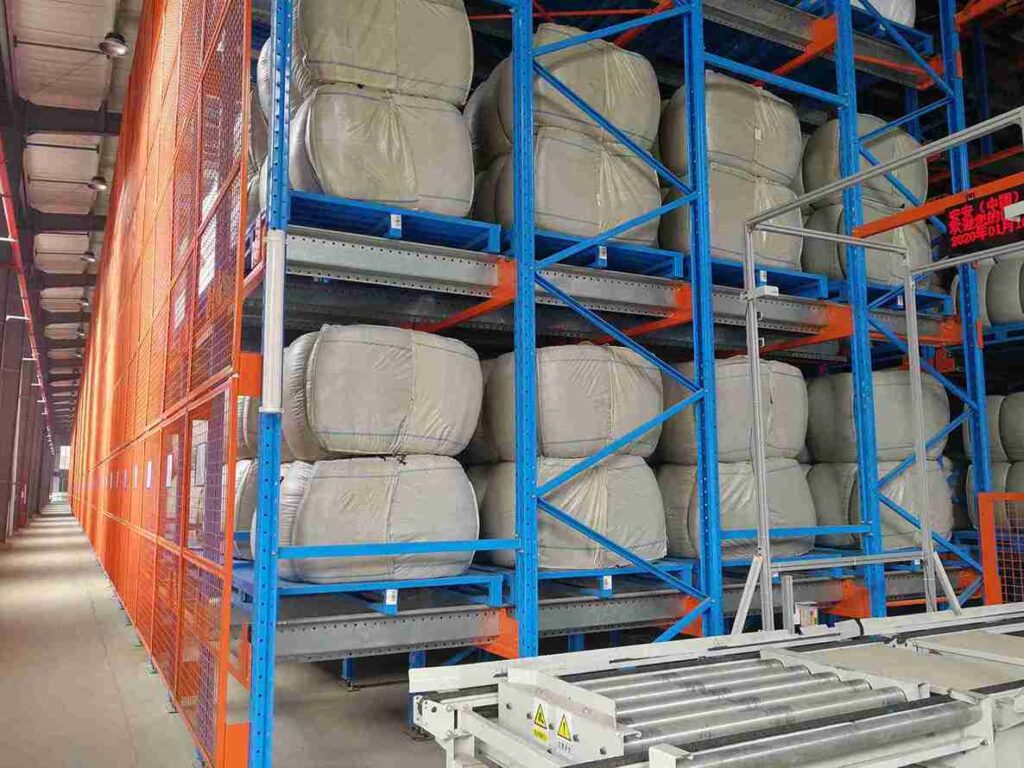
1.1 Defining Robotic Pallet Handling Systems
Robotic pallet handling systems are automated storage and retrieval solutions designed specifically for robotic operation. These systems feature:
- High-precision alignment for robotic arms and AMRs
- Reinforced structural integrity to withstand continuous robotic movement
- Standardized dimensions for seamless integration with automation software
1.2 Why Traditional Pallet Racking Fails in Robotic Environments
Conventional pallet racking was engineered for human-operated forklifts, leading to:
- Misaligned pallets, causing robotic retrieval errors
- Premature wear and tear due to constant robotic interaction
- Limited adaptability for dynamic warehouse layouts
Robotic pallet handling systems solve these challenges by ensuring consistent, durable, and automation-friendly storage.
2. Core Features of High-Performance Robotic Pallet Handling Systems
2.1 Precision Engineering for Robotic Compatibility
Since robots rely on millimeter-perfect positioning,robotic pallet handling systems incorporate:
- Laser-guided alignment for flawless pallet placement
- Uniform beam spacing to prevent robotic miscalculations
- RFID and barcode integrationلتتبع المخزون في الوقت الحقيقي
2.2 Heavy-Duty Construction for 24/7 Operation
Unlike human-operated systems, robotic pallet handling systems must endure:
- Non-stop operation with zero downtime
- High-frequency robotic interactions
- Vibration and impact resistance
To meet these demands, the best systems use:
- High-tensile steel frames
- Anti-corrosion coatings
- Reinforced load beams
2.3 Modular & Scalable Design for Future Growth
As warehouses expand, robotic pallet handling systems must scale accordingly. Leading solutions offer:
- Adjustable beam heights for varying pallet sizes
- Expandable configurations to accommodate new robots
- Multi-brand compatibility (e.g., working with both AGVs and AMRs)
3. The Best Racking Solutions for Robotic Pallet Handling Systems
3.1 Selective Pallet Racking (Optimized for Robotics)
While selective racking is common, robotic-optimized versions include:
- Narrower aisles for AGV navigation
- Reinforced uprights to withstand robotic collisions
3.2 Drive-In & Push-Back Racking for High-Density Storage
بالنسبة لـspace-constrained warehouses, these systems enable:
- Deep storage with minimal aisle space
- Automated FIFO/LIFO retrieval
3.3 Pallet Flow Racking for Automated Inventory Rotation
Ideal for perishable goods,pallet flow racking ensures:
- Automatic stock rotation
- Seamless integration with robotic retrieval arms
4. Key Considerations When Implementing Robotic Pallet Handling Systems
4.1 Choosing the Right Robotics for Your Warehouse
Not all robots work with all racking. Critical factors include:
- AGV vs. AMR compatibility
- Payload capacity (e.g., 1,500 lbs vs. 3,000 lbs)
- Navigation technology (LiDAR vs. vision-based systems)
4.2 Warehouse Layout Optimization for Maximum Efficiency
To maximize robotic performance:
- Eliminate dead-end aisles that disrupt robot flow
- Optimize travel paths to reduce energy consumption
- Ensure proper lighting for robotic sensors
4.3 Software Integration for Smart Warehouse Management
AWarehouse Management System (WMS) must support:
- Real-time pallet tracking
- Automated replenishment alerts
- Predictive maintenance scheduling
5. Cost-Benefit Analysis of Robotic Pallet Handling Systems
5.1 Upfront Investment vs. Long-Term Savings
While robotic pallet handling systems require higher initial costs, benefits include:
- 30-50% faster order fulfillment
- Reduced labor dependency
- Fewer pallet handling errors
5.2 Calculating ROI for Warehouse Automation
Most warehouses achieve ROI within 2-3 years due to:
- Higher throughput capacity
- Lower operational downtime
- Reduced product damage
6. The Future of Robotic Pallet Handling Systems
6.1 AI-Powered Predictive Maintenance
Future robotic pallet handling systems will use AI to predict structural wear, minimizing unplanned downtime.
6.2 Swarm Robotics for Dynamic Storage
AMR swarms will enable real-time racking reconfiguration without human intervention.
6.3 Sustainable Materials for Greener Warehousing
Innovations like carbon-fiber racking will reduce weight while maintaining durability.
Conclusion: Why Robotic Pallet Handling Systems Are the Future
Robotic pallet handling systems are revolutionizing warehousing by delivering:
- Unmatched speed and accuracy
- Lower operational costs
- Scalability for future growth
For warehouses aiming to stay competitive, investing in robotic pallet handling systems is no longer optional—it’s essential.
FAQs About Robotic Pallet Handling Systems
1. How do robotic pallet handling systems improve picking accuracy?
They use laser-guided alignment and RFID tracking to ensure error-free robotic pallet retrieval.
2. Can traditional racking be retrofitted for robotic pallet handling?
نعم، ولكنstructural reinforcements and alignment upgrades are often required.
3. What’s the expected lifespan of robotic pallet handling systems?
With proper maintenance, 15-20 years, depending on usage intensity.
4. Are robotic pallet handling systems compatible with all AGVs?
Most are brand-agnostic, but compatibility should be verified before purchase.
5. How much space can robotic pallet handling systems save?
Up to 20-30% more storage density compared to traditional racking.